

In the global golf equipment market, quality is not just a selling point—it is the foundation of long-term brand trust. As a professional golf bag manufacturer, we understand that every detail, from raw material selection to final inspection, directly impacts performance, durability, and end-user satisfaction. Quality control is not a single step in our production process; it is a system embedded into every stage of manufacturing.
Quality is our lifeline. This article will detail how we ensure consistent high-quality output throughout the entire production cycle and why this approach is crucial for brands seeking a reliable manufacturing partner.
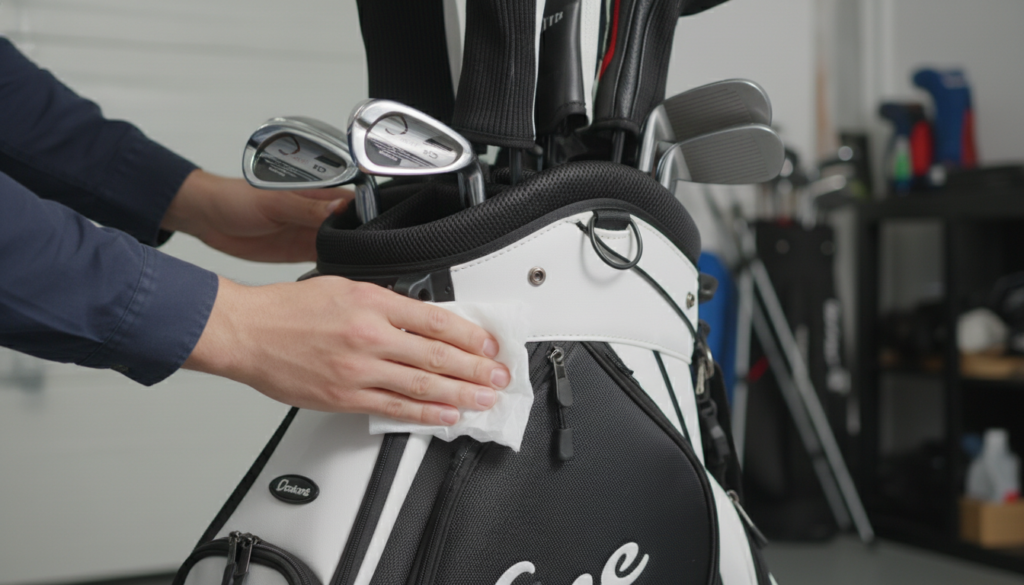
1. Quality Starts with Raw Material Selection
As a golf bag manufacturer, we believe that superior products begin with the right materials. Before production starts, our sourcing team carefully evaluates all raw materials, including fabrics, frames, zippers, padding, webbing, and hardware.
We work only with verified suppliers who meet our standards for:
-
Material strength and abrasion resistance
-
Color fastness and UV resistance
-
Weight consistency
-
Environmental and compliance requirements (REACH, CPSIA, etc.)
Each batch of incoming materials undergoes inspection upon arrival. Fabrics are tested for tear strength and thickness consistency, while metal and plastic components are checked for corrosion resistance and dimensional accuracy. Materials that fail to meet specifications are rejected before they ever reach the production floor.
2. Standardized Pre-Production Testing
Before mass production begins, we conduct pre-production testing on samples. This step allows us, as a golf bag manufacturer, to identify potential risks early and optimize construction details.
During this phase, we focus on:
-
Load-bearing performance of straps and handles
-
Stability of stand mechanisms and internal frames
-
Stitch density and seam reinforcement
-
Compatibility between materials and accessories
We also review the client’s design specifications to ensure manufacturability without compromising functionality or durability. Any necessary adjustments are communicated clearly before production approval, preventing costly issues later in the process.
3. Controlled Production Environment and Skilled Workforce
Quality consistency depends heavily on execution. Our production lines are organized by process rather than speed, allowing each stage to be closely monitored. As an experienced golf bag manufacturer, we invest in both equipment and people.
Key measures include:
-
Dedicated workstations for cutting, stitching, assembly, and finishing
-
Trained operators specializing in golf bag construction
-
Clear SOPs (Standard Operating Procedures) for every production step
Critical operations such as load-bearing stitching, frame installation, and strap assembly are handled by senior technicians. This ensures structural integrity and long-term durability, especially for high-stress areas.
4. In-Line Quality Control at Every Key Stage
Rather than relying solely on final inspection, we implement in-line quality control throughout production. This allows us to detect and correct issues immediately.
As a professional golf bag manufacturer, our QC team performs checks at:
-
Fabric cutting accuracy
-
Stitch alignment and tension
-
Component assembly fit
-
Logo placement and branding consistency
Defective components are removed instantly, and corrective actions are applied before production continues. This approach significantly reduces waste and ensures batch-to-batch consistency.
5. Hardware and Functional Performance Testing
Golf bags are functional products designed for real-world use. Beyond appearance, performance matters. We conduct functional testing on key components, including:
-
Zippers: repeated open-close cycles
-
Straps: load testing under simulated carrying conditions
-
Stand systems: balance and spring tension testing
-
Base structures: impact and stability checks
These tests simulate actual usage scenarios, helping us identify weaknesses that may not be visible during visual inspection alone.
6. Final Inspection: Zero-Compromise Standards
Final inspection is the last safeguard before shipment. As a golf bag manufacturer, we apply strict AQL (Acceptable Quality Limit) standards to ensure only approved products leave our factory.
Our final inspection covers:
-
Visual appearance and finishing
-
Dimensional accuracy
-
Logo, label, and packaging verification
-
Random functional re-testing
Each shipment is inspected according to client requirements, and detailed inspection reports can be provided upon request. Products that do not meet standards are reworked or replaced—never shipped as-is.
7. Continuous Improvement Through Feedback and Data
Quality control does not end after delivery. We actively collect feedback from clients and end markets to refine our processes. As a long-term golf bag manufacturer, we analyze defect trends, customer complaints, and return data to drive continuous improvement.
This feedback loop allows us to:
-
Optimize materials and construction methods
-
Improve production efficiency
-
Anticipate future quality risks
By treating quality as an evolving system rather than a static checklist, we help our partners stay competitive in demanding markets.
Conclusion: Quality Is a System, Not a Promise
As a professional golf bag manufacturer, we know that quality is built through discipline, transparency, and experience. From raw material selection to final inspection, every step in our process is designed to protect your brand reputation and ensure your products perform as expected.
For brands seeking a manufacturing partner—not just a supplier—our quality control system is what turns designs into dependable, market-ready products. Quality is not something we claim; it is something we practice every day.