
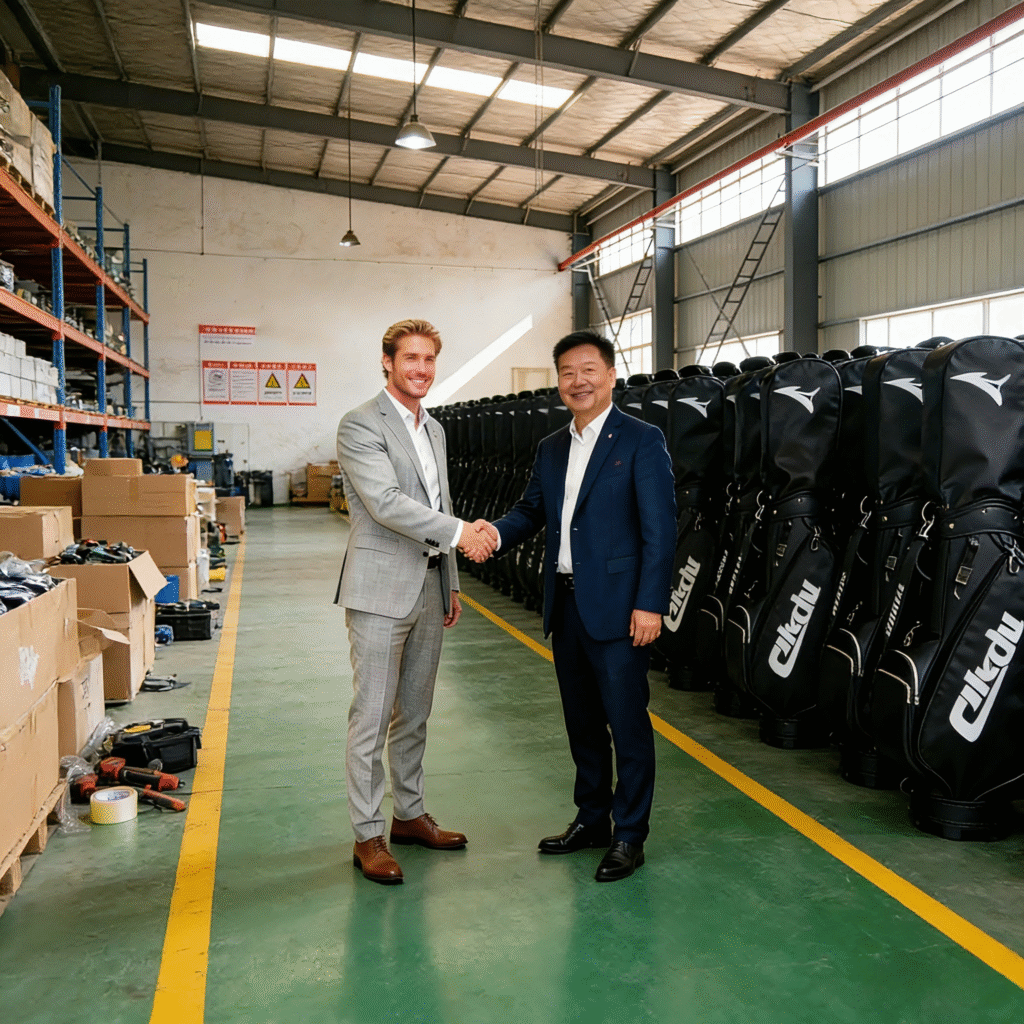
The rise of direct-to-consumer (DTC) models and niche golf brands is reshaping the golf equipment industry. Today, new brands no longer need massive distribution networks or decades of legacy to reach golfers. Instead, success increasingly depends on speed, differentiation, and execution.
In this environment, golf bag manufacturers play a far more strategic role than simple production—they become enablers of brand growth.
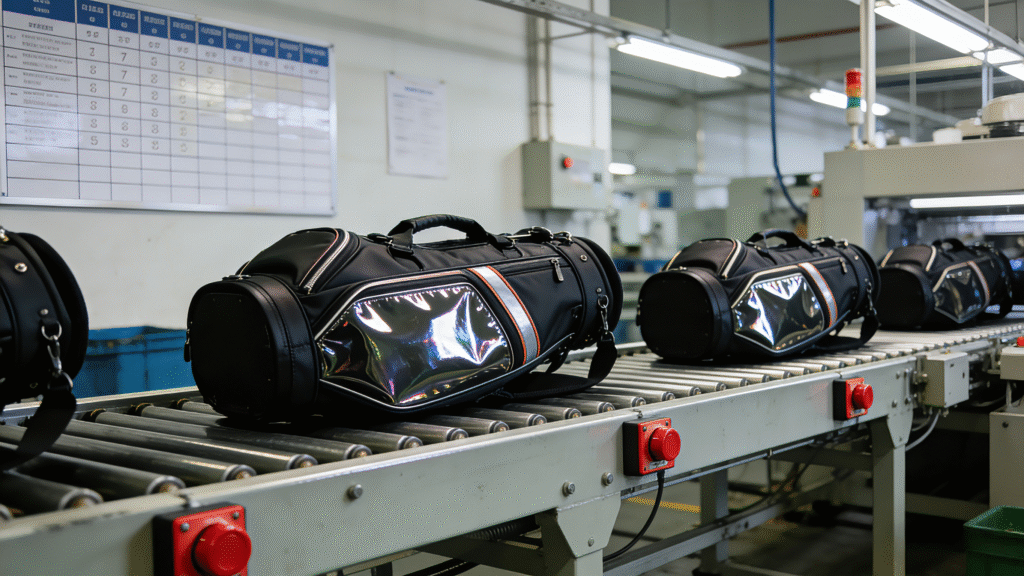
Below is how professional golf bag manufacturers support DTC and emerging golf brands at every critical stage.
1. Lowering Barriers to Entry with Flexible MOQs
For new brands, one of the biggest challenges is capital efficiency. Traditional manufacturing often requires large minimum order quantities (MOQs), forcing startups to overcommit inventory.
Experienced golf bag manufacturers address this by offering:
-
Flexible or tiered MOQs
-
Pilot production runs for market testing
-
Scalable reorder structures
This allows DTC brands to validate demand, gather customer feedback, and refine products without taking on excessive inventory risk.
2. Turning Brand Vision into Manufacturable Products
Many emerging brands start with strong aesthetics and storytelling, but limited manufacturing experience. A capable manufacturer bridges that gap.
Through OEM and ODM support, manufacturers help:
-
Translate concepts into technical specifications
-
Optimize designs for durability, weight, and cost
-
Adjust materials and structures for mass production
This design-for-manufacturing guidance reduces development cycles and prevents costly redesigns later.
3. Enabling Customization and Differentiation
In DTC, differentiation is everything. Golf bag manufacturers enable brands to stand out by supporting deep customization, such as:
-
Unique colorways and materials
-
Custom logo placement and branding details
-
Modular pocket layouts and functional features
By standardizing core components while customizing visible elements, manufacturers help brands maintain uniqueness without sacrificing efficiency.
4. Supporting Faster Iteration and Shorter Lead Times
DTC brands rely on rapid feedback loops. Customer reviews, returns, and social media feedback often drive quick product updates.
Modern manufacturers support this by:
-
Maintaining agile production scheduling
-
Offering quick sample turnaround
-
Supporting small-batch updates between seasons
This speed allows emerging brands to iterate faster than traditional competitors.
5. Ensuring Consistent Quality to Build Trust
For DTC brands, product quality is directly tied to reputation. One bad production run can quickly damage customer trust.
Golf bag manufacturers support brand credibility through:
-
Multi-stage quality control processes
-
Material testing and stress testing
-
Clear quality standards aligned with brand positioning
Consistent quality reduces returns, negative reviews, and customer service costs—critical factors for early-stage brands.
6. Providing Supply Chain Stability
Emerging brands are often more vulnerable to supply chain disruptions. Manufacturers with stable supplier networks and inventory planning systems can shield brands from volatility.
Support includes:
-
Long-term material sourcing relationships
-
Advance capacity planning
-
Realistic and transparent lead-time commitments
This reliability helps DTC brands plan launches, promotions, and cash flow with greater confidence.
7. Helping Brands Scale Without Disruption
As DTC brands grow, production needs change rapidly. A strong manufacturing partner enables smooth scaling by:
-
Expanding capacity without compromising quality
-
Maintaining consistency across multiple production runs
-
Aligning production plans with sales forecasts
This prevents the common pitfall of outgrowing a supplier too quickly.
8. Compliance and Market Readiness
Even small brands selling internationally must meet regulatory and ethical standards. Professional manufacturers assist with:
-
Material compliance documentation
-
Social and environmental audits
-
Buyer-specific testing requirements
This support allows emerging brands to enter new markets without operational blind spots.
9. Cost Optimization Without Sacrificing Brand Value
Price sensitivity is real in DTC, but cutting corners damages long-term brand equity. Manufacturers help brands find smarter trade-offs:
-
Material alternatives with similar performance
-
Structural optimization to reduce weight or cost
-
Packaging and logistics efficiency
The goal is not the lowest cost, but the best value aligned with brand positioning.
10. Acting as a Long-Term Partner, Not Just a Supplier
The most successful DTC golf brands treat their manufacturers as strategic partners. Experienced manufacturers contribute:
-
Honest feasibility feedback
-
Early risk identification
-
Continuous improvement suggestions
This partnership mindset transforms manufacturing from a cost center into a competitive advantage.
Conclusion
As DTC and emerging golf brands continue to grow, the role of golf bag manufacturers is evolving. They are no longer just factories—they are collaborators, problem-solvers, and growth enablers.
For new brands, choosing the right manufacturing partner can determine how quickly they reach market, how well they differentiate, and how sustainably they scale.
In a crowded and competitive golf industry, strong manufacturer support is often the quiet force behind the brands that break through and endure.