
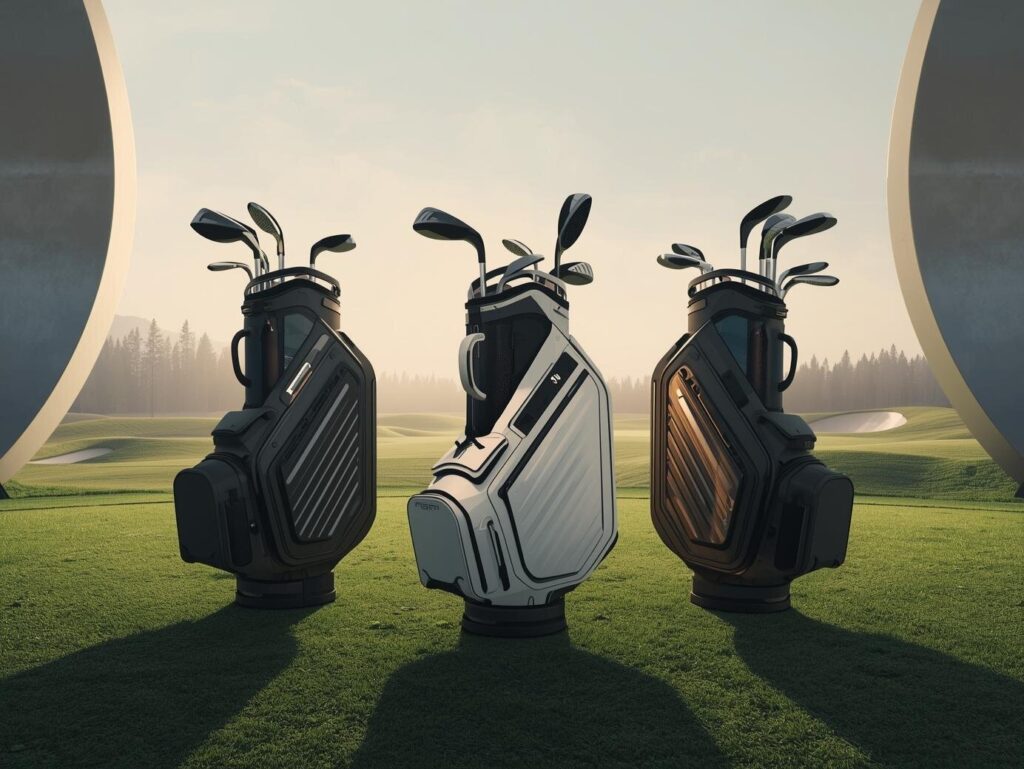
Longzhao Custom Golf Bag Factory approaches the design and production of golf bags not as a one-size-fits-all operation but as a market-driven, highly configurable process that takes into account the needs of golfers, the expectations of retailers, and the regulatory and environmental contexts of different regions. By combining market research, technical expertise, modular manufacturing, and close collaboration with clients, Longzhao creates products tailored for professional tours, mass-market retail, boutique shops, and online direct-to-consumer brands across diverse geographies.
Understanding Global Golf Markets
Successful design begins with a deep understanding of where the bags will be sold and who will use them. Different markets demonstrate distinct preferences driven by culture, climate, playing conditions, and consumer behavior. For example:
– North America: Strong demand for both cart bags for resort and recreational players and lightweight stand/carry bags for walking golfers. Emphasis on functionality—ample pockets, beverage holders, cooler pockets, insulated compartments, and durable components to withstand frequent use.
– Europe: A mixed market where compact, efficient design and high-quality finishing are valued. Many golfers use trolleys (push or electric), so cart compatibility and stable club organization can be decisive. Aesthetic refinement and understated branding often matter.
– Japan: Premium materials, meticulous construction, compact dimensions, and attention to aesthetic detail are major drivers. Consumers often accept higher price points for finely crafted, visually harmonious designs.
– China and Asia-Pacific emerging markets: Rapidly growing interest in golf, with a spectrum from entry-level price-sensitive buyers to affluent consumers seeking luxury and personalization.
– Middle East and Gulf countries: Luxurious materials, bold branding, and weather-resistant finishes are important due to high temperatures and a preference for visible quality and status.
– Latin America: Price-sensitive buyers who also value durability; simpler feature sets and robust construction are typical.
Longzhao’s designers and market analysts collect competitive intelligence, customer briefs, sales data, and trend reports to create product briefs that balance these local preferences with production realities.
Customer-Centered Design Process
The design process is collaborative and structured to minimize risk and time to market. Typical stages include:
– Discovery and Briefing: Longzhao works with clients to define target markets, price points, branding, and desired features (e.g., number of club dividers, insulated pockets, waterproofing).
– Market Research & Trend Analysis: The team assesses competitive offerings, material innovations, and popular aesthetics. They also study use-cases—walking vs. cart play, climate considerations, and storage/transport preferences.
– Concept Development: Designers produce mood boards, colorways, and initial sketches. For many clients, Longzhao provides several concept directions to test brand alignment.
– Technical Specification: Each concept is translated into technical drawings, material callouts, hardware specifications, and a Bill of Materials (BOM).
– Prototype & Sampling: Rapid prototyping provides physical validation. Multiple sample rounds refine fit, ergonomics, pocket layouts, and branded details.
– Testing & Validation: Quality tests for durability, water resistance, seam strength, and component longevity ensure readiness for production.
This client-inclusive workflow ensures that Longzhao’s output is not only manufacturable but also commercially viable in differing markets.
Design and Prototyping Workflow
Longzhao combines traditional hand-patterning skills with modern digital tools to accelerate development:
– CAD and 2D Pattern Making: Designers produce accurate patterns and grading to control dimensions and material yield.
– 3D Visualization & Mockups: 3D renders help clients visualize colorways and logos on the finished product; in some cases, 3D-printed components are used for buckles or unique hardware.
– Sample Rooms and Skilled Craftspeople: Sample makers stitch, assemble, and finish prototypes using the same techniques as in production lines, ensuring an accurate representation.
– Iterative Feedback Loops: Each prototype undergoes functional and aesthetic reviews; change requests are tracked in production-ready specification sheets to avoid miscommunication.
– Pilot Runs: Before full-scale production, small pilot runs test the assembly process, welding/heat-sealing settings, zipper machines, and automated embroidery or printing setups, minimizing surprises at scale.
This focus on robust prototyping reduces rework and shortens the path from concept to delivery.
Material Selection and Functional Features
Material choice is a critical lever to tailor bags to market expectations and price points:
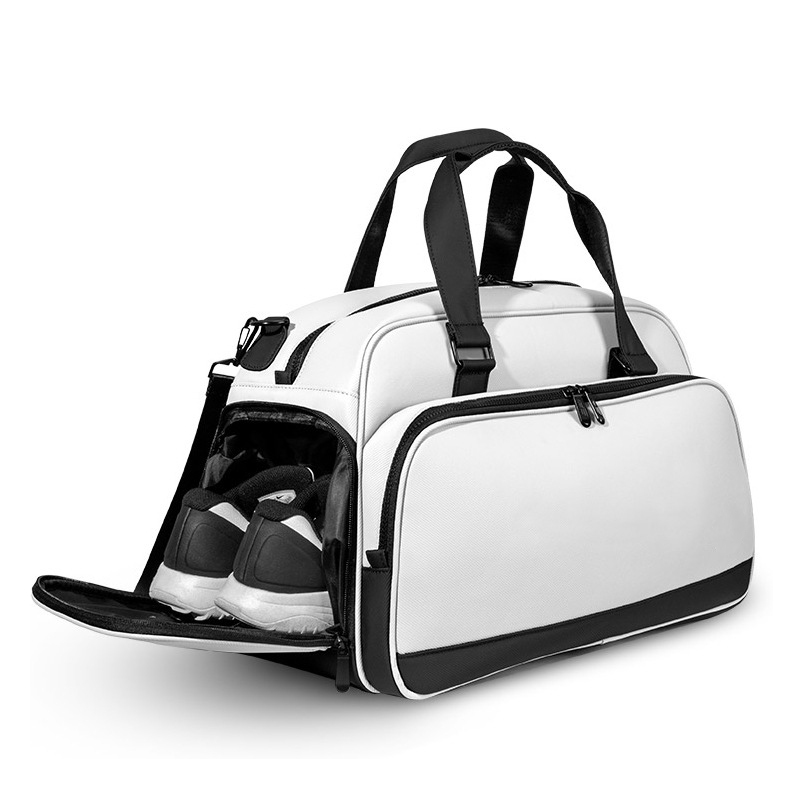
– Fabrics: Typical materials include high-denier nylon and polyester for affordability and durability, ballistic nylon for high-wear areas, PU-coated fabrics for water resistance, and full-grain leather or premium PU leather for luxury models.
– Liners and Membranes: Waterproof membranes and taped seams are used for wet-climate markets. Breathable liners help manage condensation in hot environments.
– Padding and Foam: EVA and closed-cell foams provide structure and protection; higher-end models may use molded EVA or injected foam for consistent shapes and reduced weight.
– Hardware: Heavy-duty zippers (YKK or equivalent), corrosion-resistant metal or zinc-alloy buckles, cart strap pass-throughs, and reinforced umbrella tubes are selected according to performance requirements and expected climate exposure.
– Thread and Stitching: High-tenacity polyester or bonded nylon threads resist UV degradation; double-stitching and bartacks in stress points ensure durability.
– Functional Features: Multi-compartment club dividers (14-way, 4-way, etc.), insulated cooler pockets, valuables pockets with RFID blocking, rain hoods, integrated stands with anti-skid feet, reinforced base plates, glove and towel holders, and dedicated rangefinder/GPS pockets are matched to market demands.
By modularizing components—standardizing bases, straps, and internal frames—Longzhao can mix and match features to meet different market segments without reinventing the whole bag for each order.
Product Types and Market Fit
Designers align bag types with market use cases:
– Stand Bags: Lightweight with integrated stands for walking golfers; emphasize ergonomics and minimalism for players who prefer carrying.
– Cart Bags: Larger, heavier bags with more pockets designed to sit stably on push or electric trolleys; often favored in North America and among recreational players.
– Staff/Professional Bags: Large, showy bags used by touring pros and brand ambassadors; focus on branding, premium materials, and spacious storage.
– Travel Covers: Tough, padded exteriors with wheels and secure straps for air travel.
– Hybrid Bags: Combine carry and cart-friendly features for players who alternate between walking and riding.
Below is an analysis table that captures how Longzhao maps these product types to key markets and design priorities.
| Market | Common Bag Types | Key Features | Preferred Materials | Typical Price Range | Design Priorities |
|---|---|---|---|---|---|
| North America (USA/Canada) | Stand bags, cart bags, travel covers | Insulated pockets, cooler pockets, multiple organizers, rugged zippers, cart straps | 600D–1680D nylon/polyester, PU-coated fabrics, reinforced bases | $80–$500+ | Functionality, value for money, durability |
| Europe | Cart bags, compact stand bags | Stable club arrangement, weatherproofing, refined finishes | High-quality polyester blends, leather trim for premium models | €90–€600+ | Refined aesthetics, weather resistance |
| Japan | Compact stand bags, premium staff bags | Precision pocket layouts, premium finishing, compactness | Premium textiles, leather, fine hardware | ¥10,000–¥100,000+ | Craftsmanship, compact design, brand prestige |
| China & Asia-Pacific | Entry-level stand bags, luxury custom pieces | Custom colors/logos, gift packaging, moderate durability | Mid-range nylon/polyester, decorative leather accents | $50–$400 | Branding, customization, value |
| Middle East | Staff/luxury bags, cart bags | Luxurious materials, bold branding, high sun/heat resistance | Top-grain leather, high-denier fabrics with UV-stable coatings | $200–$1000+ | Luxury, durability under heat, visual impact |
| Latin America | Durable stand/cart bags | Robust stitching, simple pockets, heat/moisture tolerance | Heavyweight polyester/nylon blends | $50–$300 | Affordability, robustness |
(higher-end price ranges reflect custom finishes and low-volume, high-value batches; lower-range values reflect mass-produced items and high-volume orders)
Customization and Branding Options
Longzhao’s business model centers on customization. Typical branding and personalization options include:
– Embroidery: Durable and premium-looking; used for logos, player names, and club emblems.
– Heat Transfer and Sublimation Printing: Allows complex color gradients and photographic prints; popular for vibrant retail lines.
– PVC or Metal Badges: 3D logos for a striking aesthetic on staff bags and premium lines.
– Colorways and Trim: Custom color palettes and piping details match brand identities.
– Personalized Pocket Layouts: Retailers or corporate clients specify the number and arrangement of pockets for GPS, valuables, drinks, and coolers.
– Modular Inserts and Removable Pouches: Enable upgrades and aftermarket accessories.
– Limited Editions: Special fabric choices, commemorative embroidery, serial numbering for collectors.
Customization is balanced against cost—some techniques (e.g., full-leather construction, intricate embroidery at low volumes) significantly increase per-unit costs. Longzhao advises on trade-offs in design consultations.
Quality Control and Testing
A consistent manufacturing output is essential for global markets where returns and reputational damage can be costly. Longzhao implements multi-tier quality control:
– Incoming Material Inspection: Fabric weight, color matching, tensile strength, and coating integrity are checked before production.
– In-Process Controls: Line supervisors verify critical operations—stitch counts, seam allowances, zipper alignment, and hardware attachment—at set intervals.
– Final Inspection (AQL): Finished goods undergo visual and functional checks for defects; AQL sampling ensures statistically validated quality levels.
– Testing Protocols: Longzhao conducts or coordinates the following common tests:
– Abrasion resistance (Martindale or Wyzenbeek equivalents).
– Water repellency and hydrostatic head tests for waterproof models.
– Colorfastness to rubbing and light exposure.
– Tensile and tear strength at stress points and strap attachments.
– Zipper cycle tests and hardware corrosion tests (salt spray) for metal components intended for coastal or humid climates.
– Third-Party Lab Testing: For clients requiring compliance reports (e.g., REACH, RoHS where applicable, or custom brand certifications), Longzhao assists with sending samples to accredited labs.
These controls minimize returns, confirm durability expectations, and ensure compliance with buyer specifications.
Manufacturing Capacity, Lead Times, and Minimums
Longzhao structures production to be flexible:
– Minimum Order Quantities (MOQ): MOQs depend on the complexity and customization level. Stocked designs or minor color changes may have low MOQs (100–300 units), while fully bespoke luxury staff bags might require larger runs (500–1,000 units) to justify tooling and setup.
– Lead Times: Typical timelines are:
– Initial sample: 2–4 weeks depending on complexity and hardware lead times.
– Pilot run: 2–3 weeks after sample approval.
– Mass production: 4–10 weeks, influenced by order size, peak-season capacity, and availability of specialized components (e.g., molded EVA bases).
– Scalability: Longzhao maintains modular production lines to ramp up volumes seasonally. Strategic sourcing of long-lead hardware items like specialty zippers and metal logos reduces disruption.
– Flexible Fulfillment: The factory offers FOB and CIF shipping options, and works with clients to plan shipping windows to align with seasonal retail cycles (spring/summer golfing seasons in many countries).
Clear communication about lead times and early placement for peak seasons ensure product launch timeliness.
Regulatory Compliance and Sustainability
Increasingly, brands and consumers demand environmentally responsible products. Longzhao addresses those concerns by:
– Material Certifications: Offering options such as Oeko-Tex certified fabrics, recycled PET yarns, and low-VOC coatings. Clients seeking higher sustainability can opt for GRS (Global Recycled Standard) compliant textiles.
– Chemical Management: Advising clients on finishes and DWR treatments that are PFAS-free; working to meet EU REACH restrictions for certain substances used in dyes and coatings.
– Waste Reduction: Pattern optimization reduces fabric waste, and the factory recycles cut-offs into accessories or insulation where feasible.
– Energy and Water Use: Process improvements and upgraded dyeing/coating suppliers help reduce the environmental footprint.
– Durability as Sustainability: Designing for repairability and longevity reduces lifetime environmental impact—Longzhao offers spare parts (zippers, buckles, straps) to extend product life.
– Packaging: Options include recycled cardboard, reusable cloth bags, and low-plastic packaging for retailers focused on eco-credentials.
These initiatives allow clients to market products with credible sustainability claims while meeting regional compliance requirements.
Logistics, After-sales Support, and Warranty
Longzhao supports end-to-end client needs:
– Shipping and Customs: Expertise in export documentation, proper HS codes for sporting goods, and packaging optimization minimizes freight costs and damage in transit.
– Spare Parts and Repair Kits: Availability of replacement zippers, buckles, and straps reduces the need for full product replacement and supports brand aftercare policies.
– Warranty Policies: Longzhao advises on and can align production and materials to support warranty promises—e.g., offering one- to five-year warranties on stitching and structural components depending on segment.
– Reverse Logistics: For clients who operate global retail channels, Longzhao can coordinate repairs or replacements under agreed terms to manage customer satisfaction.
– Training and Merchandising Support: The factory provides product care instructions, hangtags, and point-of-sale materials to educate consumers and reduce misuse-related returns.
Efficient after-sales arrangements reinforce brand trust and reduce lifecycle costs.
Case Studies: Tailoring Designs to Specific Markets
1) U.S.-Based Big-Box Retailer (Mass Market)
Brief: High-volume order for an affordable stand bag line targeting recreational players.
Design Choices: 600D polyester with PU coating, four-way top, insulated beverage pocket, simple cooler pocket, YKK coil zippers, molded EVA base for shape retention.
Cost Optimization: Simplified pocket layouts, printed logos instead of embroidery, consolidated colorways to optimize dye lots.
Outcome: Low per-unit cost, reliable supply, positive sell-through due to functional features and competitive pricing.
2) Japanese Boutique Brand (Premium, Low Volume)
Brief: A compact carry bag with refined aesthetics and premium finishing; low-volume, high-margin.
Design Choices: Premium textile blends, leather trim, high-grade metal hardware, 6-way full-length dividers, precision stitching, subdued colorways and bespoke serial numbering.
Quality Emphasis: Multiple sampling rounds to perfect proportions; individual hand-finished touches.
Outcome: Product sold at premium price; alignment with cultural preferences for craftsmanship and simplicity.
3) European Omni-channel Retailer (Weather-Resistant Focus)
Brief: A cart-compatible line for regions with variable weather.
Design Choices: PU membrane with taped seams, high-denier fabric for abrasion resistance, quick-drain bases, integrated rain hood, discrete but durable branding.
Testing: Hydrostatic head testing and accelerated UV exposure to validate weatherability.
Outcome: Reduced returns due to water-related defects and strong seasonal sales in wet climates.
4) Middle Eastern Luxury Client (Bespoke Staff Bag)
Brief: Luxurious, statement staff bags for regional distributors and VIPs.
Design Choices: Full-grain leather accents, bold color combinations, oversized metal badges, reinforced structures for travel handling.
Finishing: Hand-polished hardware and custom packaging.
Outcome: High-margin sales and strong brand visibility at local tours and events.
These case studies illustrate how Longzhao matches form and function with context-specific priorities.
Pricing Strategy and Cost Optimization
Pricing a golf bag involves balancing material quality, labour, decorative costs, and logistics. Key cost drivers and optimization levers:
– Materials: Upgrading from standard 600D polyester to ballistic nylon drastically increases raw material cost; strategic use of leather trim versus full leather bodies helps manage price.
– Hardware: Custom metal badges, specialty zippers, and premium buckles increase per-unit costs and lead times. Standardizing hardware across multiple SKUs reduces unit costs.
– Labor Intensity: Complex panels, additional pockets, and hand-finishing increase labour hours. Modular designs streamline assembly.
– Decoration: Embroidery costs scale with stitch count and number of colors; heat transfer or printed logos are more economical at high volumes.
– Economies of Scale: Larger orders reduce per-unit costs due to bulk purchasing and amortized tooling.
– Logistics and Tariffs: Shipping mode and duty classification influence landed costs; Longzhao advises clients on packaging dimensions and material choices to minimize freight costs.
Through transparent cost breakdowns, Longzhao helps clients align design aspirations with target retail pricing and margin goals.
Trends and Future Directions
Longzhao monitors industry trends and invests in capabilities accordingly:
– Lightweight Materials and Structural Optimization: Ongoing development of lighter, stronger padding and reinforcements to reduce bag weight without compromising protection.
– Smart Integration: Pockets sized for GPS and rangefinders, cable routing for portable charging, and RFID-enabled tags for inventory and theft prevention are gaining traction.
– Mass Personalization: Short-run personalization (player names, limited-color runs) enabled by digital printing and automated embroidery reduces lead time and supports direct-to-consumer models.
– Sustainability: Recycled fabrics, PFAS-free water repellents, and lifecycle-focused design (repairability, spare parts) are increasingly requested by global brands.
– Modular Systems: Interchangeable pocket modules and modular accessory ecosystems allow a single bag platform to serve multiple market niches, reducing SKUs and simplifying supply chains.
By integrating these trends into R&D and flexible manufacturing, Longzhao positions clients to be competitive across segments.
Designing golf bags for different markets requires more than aesthetic variation—it demands an integrated approach that aligns product features, materials, construction methods, quality assurance, and after-sales support with local playing conditions, cultural preferences, and retail strategies. Longzhao Custom Golf Bag Factory accomplishes this through a disciplined, client-focused process: rigorous market analysis, modular design systems, iterative prototyping, strict quality controls, and sustainable manufacturing options. Whether serving a large North American retailer, a Japanese boutique brand, or a luxury Middle Eastern client, Longzhao applies the same core principles—listen to the customer, translate market needs into technical specifications, validate with prototypes and tests, and execute reliably at scale. This blend of flexibility and technical rigor enables the factory to deliver golf bags that perform well, reflect brand identities, and meet the practical realities of players and retailers on every continent.