
Choosing the perfect lightweight golf bag requires balancing competing priorities: low weight for comfort, sufficient organization for rounds, durability to survive the course, and features that match your playing style and equipment. For golfers who walk frequently, travel often, or simply prefer minimalism, the right lightweight bag can transform the experience—reducing fatigue, improving mobility, and allowing you to focus on the game. In this guide, we examine how to choose the perfect lightweight golf bag with an emphasis on practical evaluation, material science, and product features, drawing on the LongZhao approach to design and performance.
How To Choose The Perfect Lightweight Golf Bag By Longzhao
Understand Why Lightweight Matters
Lightweight golf bags deliver immediate, tangible benefits. Less weight means less physical strain during long walks, quicker transitions between shots, and more energy for your swing late in the round. For travel, a lighter bag reduces gate-check hassle and can minimize airline fees depending on rules. When the bag is part of a cart setup, weight still matters because lighter bags are easier to get on and off push carts and fit more easily into trunks or storage compartments.
But “lightweight” doesn’t mean “fragile.” Good lightweight bags use smart materials, simplified structures, and intelligent layout to retain functionality while shaving ounces. Longzhao’s philosophy prioritizes functional minimalism—only include features that contribute to performance and user convenience, and engineer them to be as light as possible without sacrificing longevity.
Types of Lightweight Golf Bags
There are several primary styles of golf bags you should consider—each serves a different golfer profile and use case:
– Carry/Stand Bags: Designed for walking golfers; they include a two- or three-leg stand system and shoulder straps. These are often the lightest option and emphasize balance and comfort.
– Cart Bags: Built for use on push or electric carts; typically heavier with more pockets and a single-strap or no-strap design, but some manufacturers make “light cart” versions that pair higher capacity with lighter structure.
– Sunday Bags/Satchel Bags: Extremely minimalist, often under 3–4 pounds, intended for players bringing only a wedge, putter, and a few clubs for short sessions.
– Staff/Staff-Style Bags: Traditionally heavy and premium; less relevant for lightweight seekers but some modern interpretations use lighter materials to mimic the look without the weight.
– Travel Bags/Travel Covers: Not for daily play but important for protecting clubs during air travel; lightweight travel covers can add protection without adding excessive bulk.
Key Features to Evaluate
When shopping for a lightweight golf bag, evaluate these features carefully—some will be essential for you, others optional depending on playing habits and priorities:
– Weight (Empty): Measured in pounds (lbs) or kilograms (kg), the empty weight reveals the bag’s baseline. Most quality lightweight stand bags range from 3 to 6 lbs; ultralight Sunday bags can be 1–3 lbs.
– Divider System: Full-length 14-way dividers protect clubs and reduce tangling but add weight and complexity. 4–6 way or single top dividers are lighter and often enough for walking golfers who don’t carry a full set.
– Pocket Configuration: Number, size, and placement of pockets matter. Essential pockets include a valuables pocket (secure, lined), apparel pocket(s), rangefinder/GPS pocket, ball pocket, and cooler/insulated pocket. More pockets equal more functionality but usually more weight.
– Strap Comfort and System: Dual-strap systems distribute weight across both shoulders; single straps are lighter but concentrate load. Look for padded, breathable straps with good adjustability and a hip pad to improve balance.
– Stand Mechanism and Balance: The leg mechanism should be durable, deploy reliably, and keep the bag stable on varied terrain. Lightweight stands use aluminum or reinforced composite legs—check for a low center of gravity and a secure base.
– Base Design: A rugged base keeps the bag upright, resists wear, and provides grip on carts. Lightweight bags often use molded plastic or reinforced fabric bases to save weight while retaining stability.
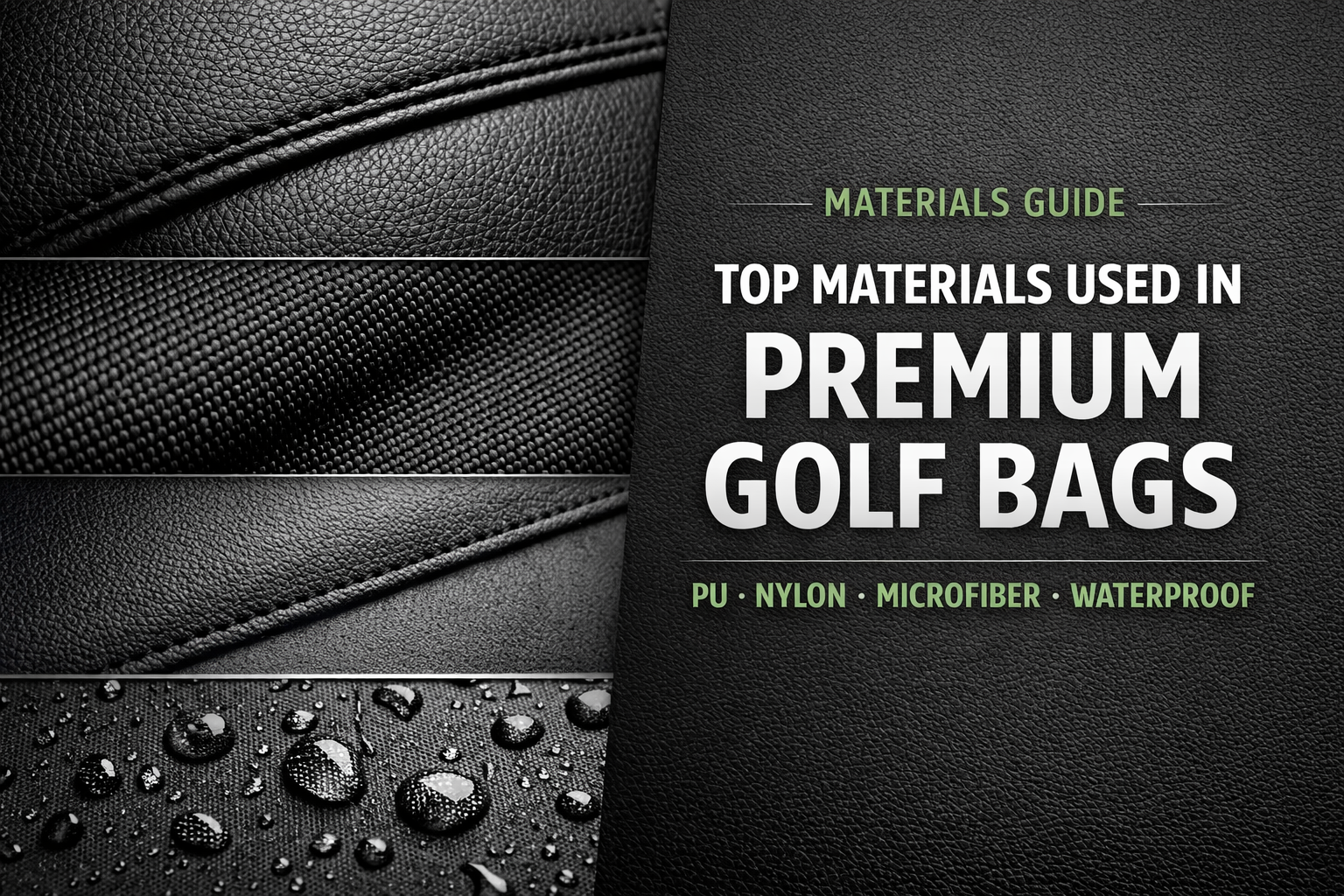
– Materials and Construction: Ripstop nylon, high-denier polyester, coated fabrics, and welded seams are common. Evaluate material weight vs durability—thin fabrics save ounces but may wear faster; reinforced stress points are essential.
– Weather Protection: A rain hood or integrated cover protects clubs. Water-resistant zippers and sealed seams improve performance in wet conditions. Fully waterproof bags are heavier; decide based on local weather.
– Club Protection: An adequate top cuff, full-length dividers, or padded top rim protects shafts and grips during play and transport.
Material Tradeoffs: Weight vs Durability
Material choice is central to lightweight bag design. Here’s how common materials compare:
– Ripstop Nylon: Very lightweight with good tear resistance. Often used on modern carry bags. It’s prone to abrasion over time unless reinforced at contact points.
– High-Denier Polyester: Slightly heavier than ripstop nylon but offers superior abrasion resistance and structure retention. It’s a good middle ground for durability without a large weight penalty.
– Coated Fabrics (PU/PVC): Provide water resistance and added durability at the expense of added weight. Coatings can increase lifespan, especially around pockets and bases.
– Synthetic Leather Trim: Used where style and abrasion resistance are desired. Adds weight but improves perceived quality and touchpoints.
– Welded Seams and Thermoplastic Reinforcements: These methods add durability and water resistance while minimizing seam bulk, helpful for lightweight bags intended for regular use.
Design and Organization: How Much Storage Do You Really Need?
Time on the course and your playing style dictate storage needs. If you walk frequently and carry minimal gear, you can prioritize weight and choose fewer pockets. If you travel or play long rounds, more compartments for layers, rain gear, snacks, and electronic devices become essential.
Focus on these pocket types when evaluating a bag:
– Valuables Pocket: Soft-lined, zippered, and secure—ideal for phone, wallet, keys. Location should be easily reachable while wearing the bag.
– Apparel Pocket: Large enough for a jacket or sweater. Look for pockets with easy zipper action that don’t add much weight.
– Cooler Pocket: Insulated pockets for drinks or snacks. Useful but add bulk—consider size and insulation materials.
– Ball and Accessory Pockets: Multiple smaller pockets for balls, tees, and gloves. Zippered pockets prevent loss when the bag tips or is inverted.
– Rangefinder/GPS Pocket: Sized specifically for electronics with easy access; typically fleece-lined to protect screens.
Ergonomics: Fit, Balance, and Comfort
Even the lightest bag can be uncomfortable if balance and ergonomics are poor. Evaluate these elements in person whenever possible:
– Dual-Strap System: The best walking bags use a dual-strap harness that distributes weight across both shoulders. Look for independent strap adjustability and quick-release clips for convenience.
– Hip Pad and Load Distribution: A cushioned hip area helps stabilize the bag on one shoulder or while making short carries. A low center of gravity helps the bag sit naturally on your back and reduces strain.
– Adjustability: Straps should be easy to adjust on the fly. Some bags offer a convertible strap (single-to-dual) to allow versatility between walking and cart use.
– Weight Distribution: Check how the bag feels when loaded. Clubs should sit deep enough to avoid top-heaviness, and pockets should be positioned to maintain balance.
Stand Systems and Stability
Stand stability is critical for walking golfers. Cheap mechanisms can fail or collapse; great mechanisms deploy smoothly and lock solidly. Consider:
– Leg Material: Aluminum legs are common and light; carbon composite legs are lighter and often more durable but more expensive.
– Leg Angle and Foot Design: Wider leg spread increases stability on slopes and uneven ground. Rubber footpads help grip turf and prevent slipping.
– Deployment Mechanism: A quality mechanism is spring-assisted and has reliable hinges. Test it by deploying multiple times.
Compatibility with Trolleys and Push Carts
If you use a push cart or electric trolley, ensure the bag is cart-compatible. Key considerations:
– Cart Strap Location: Many carts use a lower strap and an upper strap; bag design should integrate anchor points and flat sides that sit securely on a cart.
– Base Shape: A flatter base often provides a more secure fit on carts than a rounded base. Consider how the bag seats in your specific cart model.
– Access While Mounted: Some pockets should remain usable while the bag is mounted; otherwise you’ll have to remove the bag to retrieve items frequently.
Weatherproofing and Maintenance
Lightweight bags are often less weatherproof than heavier, more robust models, but there are many effective compromises:
– Rain Hoods: Lightweight hoods are essential for protection in unexpected weather. Some designs stash a hood in a pocket when not in use.
– Water-Resistant Zippers: These reduce water ingress without the weight penalty of full waterproofing.
– Fabric Coatings: Durable water repellent (DWR) coatings add water resistance with minimal weight gain; they will need refreshers over time.
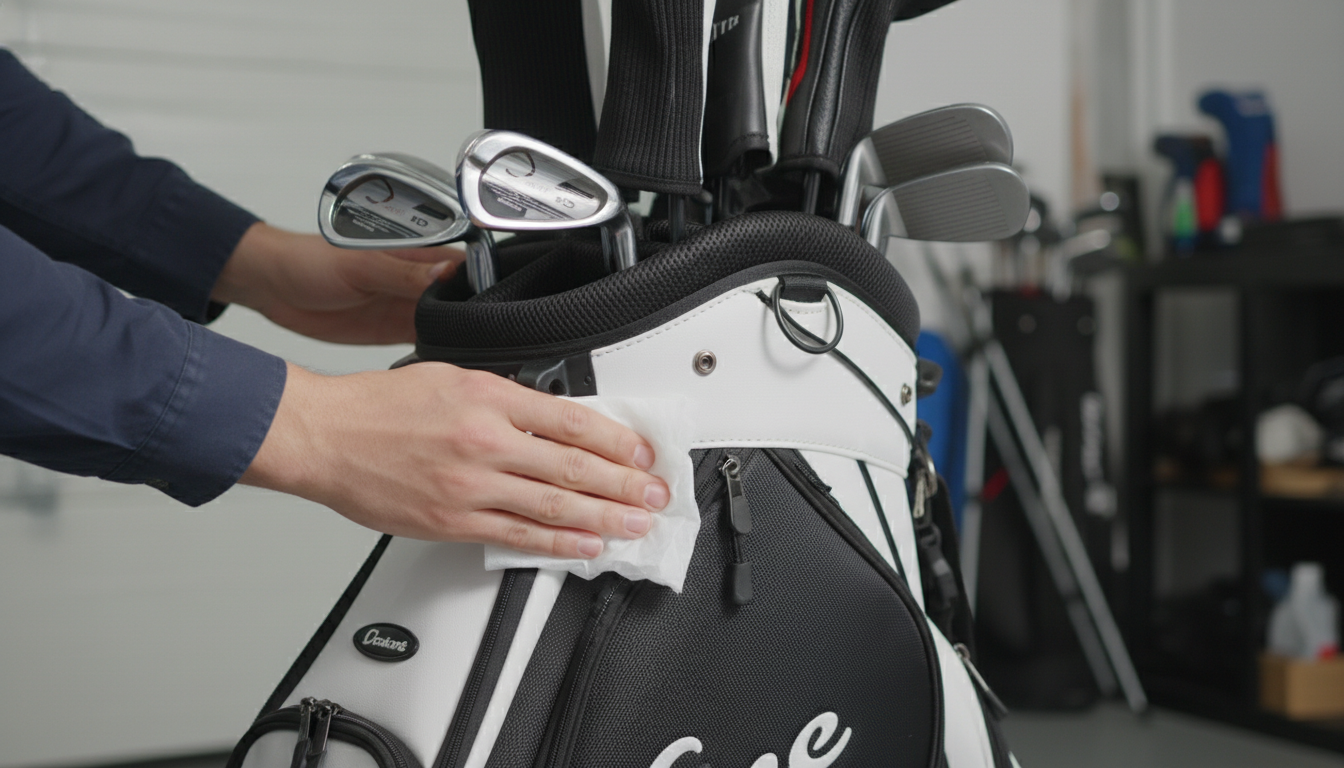
– Maintenance: Regularly clean fabric, brush dirt out of zippers, and check seams and straps for wear. Proper care prolongs life dramatically, particularly for lightweight fabrics.
Brand Spotlight: Longzhao’s Lightweight Design Principles
Longzhao’s approach to lightweight golf bags emphasizes functional minimalism, robust engineering of high-stress areas, and smart material selection. Key Longzhao strengths you should look for when selecting a bag:
– Focused Feature Set: Longzhao often trims non-essential pockets and uses efficient internal shaping to preserve storage without weight bloat.
– Reinforced Stress Points: Strap anchors, base interfaces, and stand attachment points are reinforced using thermoplastic layers or additional stitching to prevent premature failure.
– Breathable Strap Materials: Longzhao prioritizes dual-harness straps with air-mesh padding to improve comfort for extended walks without adding unnecessary bulk.
– Optimized Divider Systems: Their lightweight models often use a compromise 6-8 way design—enough separation to protect shafts while saving ounces.
– Modular Add-Ons: Many Longzhao bags allow accessories like cooler sleeves, rain hoods, or travel covers to be added only when needed, preserving base weight.
Sample Analysis Table: Longzhao Lightweight Bag Models
The following table compares representative Longzhao lightweight models to illustrate how weight, dividers, pockets, and intended use vary. Use it as a baseline for prioritizing features when shopping.
| Model | Weight (lbs) | Dividers | Pockets | Best Use |
|---|---|---|---|---|
| Longzhao LiteCarry 3.5 | 3.5 | 4-way top | 3 (valuables, ball, small apparel) | Walking golfers, minimalist daily carry |
| Longzhao AeroStand 4.2 | 4.2 | 6-way full-length (compact) | 5 (valuables, apparel, insulated drink, rangefinder, ball) | Regular walkers wanting balance and storage |
| Longzhao TourLite 5.0 | 5.0 | 8-way with padded dividers | 6 (large apparel, valuables, cooler, rangefinder, ball, accessory) | Serious players who walk but need more gear |
| Longzhao CartMate 6.8 | 6.8 | 14-way full-length | 8 (full complement—oversized apparel, multiple valuables) | Cart users wanting lighter cart-specific design |
| Longzhao TravelShield 7.5 | 7.5 | 14-way with travel collar | 6 (padded valuables, apparel, travel pockets) | Frequent travelers requiring protection |
How to Prioritize Features Based on Your Game
To choose the right bag, match features with your habits. Here are common golfer profiles and what they should prioritize:
– The Walker Who Carries Light: Prioritize weight, dual-strap harness, basic pockets, reliable stand, and breathable materials. Look for 3–5 lb bags with 4–6 way dividers.
– The Hybrid Player (Walks Some, Carts Some): Choose a bag with convertible straps, moderate pocket count, and a base that fits cart straps. Weight around 4–6 lbs is a practical compromise.
– The Traveler/Weekend Warrior: Focus on a travel-friendly bag with protective dividers, strong base, and the option for a lightweight travel cover. Accept slightly more weight for protection.
– The Maximum-Organization Player: If you need many pockets and full-length dividers, expect 5–8+ lbs. Prioritize high-denier fabrics and reinforced stitching for durability.
Testing a Lightweight Bag In-Store or On-Course
Whenever possible, test a candidate bag physically. Bring or borrow a few clubs and perform these checks:
– Wear the Bag Loaded: Place basic club set and a few items in pockets. Walk a few laps of the store or fairway and note comfort, balance, and strap pressure points.
– Deploy the Stand: Test the stand on flat and sloped surfaces. Check that it deploys reliably and that the bag sits stable with clubs inside.
– Access Pockets While Wearing: Reach into the valuables and rangefinder pockets; they should be accessible without significant repositioning.
– Strap Adjustments: Adjust straps quickly and frequently to confirm they can be reconfigured easily when switching between walking and cart play.
– Inspect Construction: Examine stitching, seam reinforcement, and strap anchors. Look inside pockets for loose threads or weak zippers.

Budgeting: Price vs Value
Lightweight golf bags are available across price points. Lower-cost models may look attractive but often cut corners in stress points: cheap zippers, thin leg mechanisms, or inadequate strap anchors. Mid-range bags usually hit the best value sweet spot—offering durable materials, comfortable straps, and reliable stands. High-end bags add premium materials, refined aesthetics, and advanced features like all-weather zippers or carbon fiber stand legs. Decide what you’ll use most and allocate budget accordingly. Longzhao typically positions itself to offer higher durability and meaningful features at mid-range price points.
Accessories and Add-Ons
A few lightweight accessories can improve functionality without significant weight increases:
– Rain Hood: Compact and light, a must for frequent rain exposure.
– Cooler Insert: Small, removable insulated sleeve for drinks—useful for hot climates.
– Towels and Brush Clips: Lightweight clips and loops are functional with negligible weight.
– Travel Cover: A thin padded travel cover can protect clubs in transit without adding constant weight, as it’s only used when needed.
Longzhao-Specific Buying Tips
If you are specifically looking at Longzhao models, consider these brand-specific tips:
– Check Model Specs Carefully: Longzhao model names often indicate purpose (LiteCarry, AeroStand, TourLite). Match model intent to intended use.
– Review Divider Options: Longzhao’s lightweight models favor 4–8 way dividers—confirm whether you need more separation for travel or tournament play.
– Inspect Reinforcements: Longzhao reinforces connection points and bases—inspect these areas if buying in person. If ordering online, check warranty and return policies.
– Modular Add-Ons: Some Longzhao bags accept removable hoods, cooler sleeves, or additional straps—this modularity allows weight control while keeping options.
Common Mistakes to Avoid
Avoid these frequent errors that lead to dissatisfaction:
– Choosing Purely on Weight: Ultra-light materials can fail quickly if stress points aren’t reinforced. Balance weight with proven durability.
– Ignoring Fit: A heavy-feeling bag that sits poorly on your back will negate weight savings. Try bags on with clubs loaded when possible.
– Overlooking Stand Stability: Cheap stands are a primary failure point. Don’t accept a stand that wobbles or collapses under normal use.
– Neglecting Pocket Functionality: Insufficient or poorly placed pockets can make rounds less efficient, forcing you to carry items separately.
Maintenance and Longevity
Proper care extends the life of lightweight bags significantly:
– Clean Regularly: Wipe off dirt, brush off grass, and clean zippers to avoid buildup that strains materials.
– Check Fasteners: Inspect straps, buckles, and stitching for early signs of wear and repair them before failure.
– Restore Water Repellency: Reapply DWR sprays every season if you rely on water resistance.
– Store Properly: Avoid leaving the bag in extreme heat or damp conditions—prolonged exposure weakens fabrics and foam padding.
Final Buying Checklist
Use this checklist to make a confident purchase:
– Confirm empty weight and realistic loaded feel with a test load.
– Verify number and type of dividers match your club protection needs.
– Check strap system comfort, adjustability, and padding quality.
– Test stand stability and leg mechanism reliability.
– Inspect materials at stress points (strap anchors, base, seams).
– Review pocket configuration for the items you carry most.
– Ensure compatibility with your cart or trolley if you use one.
– Evaluate water resistance and included rain protection.
– Confirm warranty, return policy, and availability of replacement parts.
Conclusion: Finding the Right Balance
Choosing the perfect lightweight golf bag—especially when considering Longzhao options—comes down to balancing weight savings with the features and durability you truly need. Prioritize a comfortable, well-balanced harness and a reliable stand, pick materials that match your environment, and select pocketing aligned with your typical round. Longzhao’s design philosophy helps bridge weight and functionality through targeted reinforcement and modular features that allow golfers to opt-in to complexity only when necessary. By carefully evaluating the elements outlined above and testing selected models under real-use conditions, you can find a lightweight golf bag that improves your comfort, reduces fatigue, and complements your playing style.
Remember: the best lightweight bag is the one you actually use. Whether you walk every round or split your time between cart and fairways, a thoughtfully chosen Longzhao model can be a long-term companion that keeps you moving comfortably and focused on improving your game.