
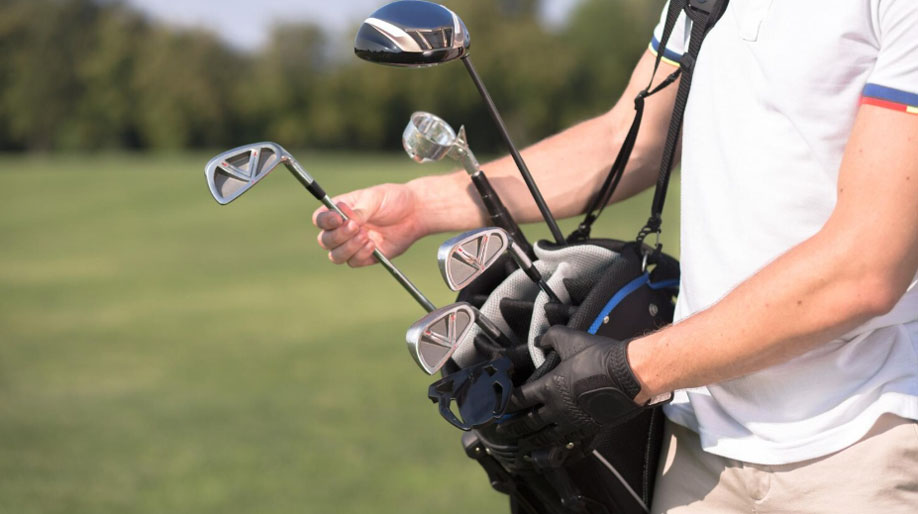
In the competitive world of golf equipment manufacturing, stitch quality often separates a premium golf bag from a disposable one. LongZhao Golf Bag Factory has built a reputation around durable stitch construction that extends service life, improves functionality, and enhances aesthetic appeal. This article explores how Longzhao’s approach to stitching—combined with material selection, production workflow, and testing protocols—creates golf bags that perform on the course and stand up to real-world use.
Durable Stitch Golf Bags From Longzhao Golf Bag Factory
Why Stitching Matters: The Foundation of Durable Golf Bags
Stitching is more than just a line of thread holding fabric together. In a golf bag, seams encounter dynamic loads from club movement, strap tension, repeated handling, and environmental exposure. A poorly stitched seam can fail at any of these stress points, causing zippers to tear away, pockets to detach, or structural panels to separate. Longzhao recognizes that the stitch is the bag’s structural backbone and invests in stitch engineering to ensure longevity. That includes selecting appropriate thread types, stitch patterns, reinforcement techniques, and automated sewing technology calibrated for consistency.
Materials and Threads: Matching Strength to Function
Durable stitching begins with the right thread and complementary materials. Longzhao sources high-tenacity polyester and bonded nylon threads for load-bearing seams. These threads offer excellent tensile strength, abrasion resistance, and UV tolerance. For heavy-reinforcement zones—such as strap anchor points and base interfaces—Longzhao often uses bonded or waxed threads to improve abrasion resistance and minimize water wicking.
Fabric selection is equally critical. High-denier nylon, ballistic nylon, and reinforced PU/polyester blends provide a stable substrate for stitching. The factory often pairs these materials with internal webbing reinforcements and stiffened panels so that stitches distribute load rather than concentrating stress on a small area. In sum, Longzhao’s durability strategy is holistic: thread, fabric, and reinforcement work together.
Stitch Types and Construction Techniques
Longzhao employs several stitch patterns tuned to each component’s needs. Common techniques include:
– Double-needle parallel stitching: Provides redundancy so if one stitch line fails, the adjacent line holds the seam. Ideal for carry straps and top rims.
– Bar tacking: High-density zigzag stitches used at stress points such as the base of handles and pocket corners.
– Lockstitch with reinforcing backstitch: Used for aesthetics and moderate-strength seams, often with a finishing overlock for edge protection.
– Blind or hidden stitches combined with adhesives: Used where water resistance or a clean appearance is required, especially for laminated panels.
Automated multi-needle machines deliver consistent stitch length and tension, which reduces variability. Skilled operators perform critical hand-stitching and inspection for areas where machine access is limited or where cosmetic detail matters.
Manufacturing Workflow at Longzhao
Longzhao’s production workflow is designed to integrate stitch quality checks throughout the process, not just at final inspection. Key stages include:
– Pattern engineering: Designers account for seam allowances, reinforcement placements, and stitch direction to optimize load distribution.
– Pre-assembly reinforcement: Webbing, backing plates, and foam cores are installed before the main panels are stitched, creating a composite structure that reduces localized stress on seams.
– Staged sewing and interim QC: After each major sewing operation, operators perform targeted inspections of stitch density, tension, and alignment. Defects are corrected immediately to avoid compounding problems in later steps.
– Final assembly and functional testing: Completed bags undergo load tests, zipper cycling, strap tensioning, and drop tests before packing.
Quality Control and Testing Protocols
Longzhao applies rigorous testing protocols to validate stitch durability under real-world conditions. Their quality control suite typically includes tensile tests on critical seams, abrasion tests on exposed stitch lines, and environmental exposure tests for UV and moisture resistance. Additionally, Longzhao employs lifecycle testing that simulates repeated club insertion/removal, strap wear, and pocket use over thousands of cycles.
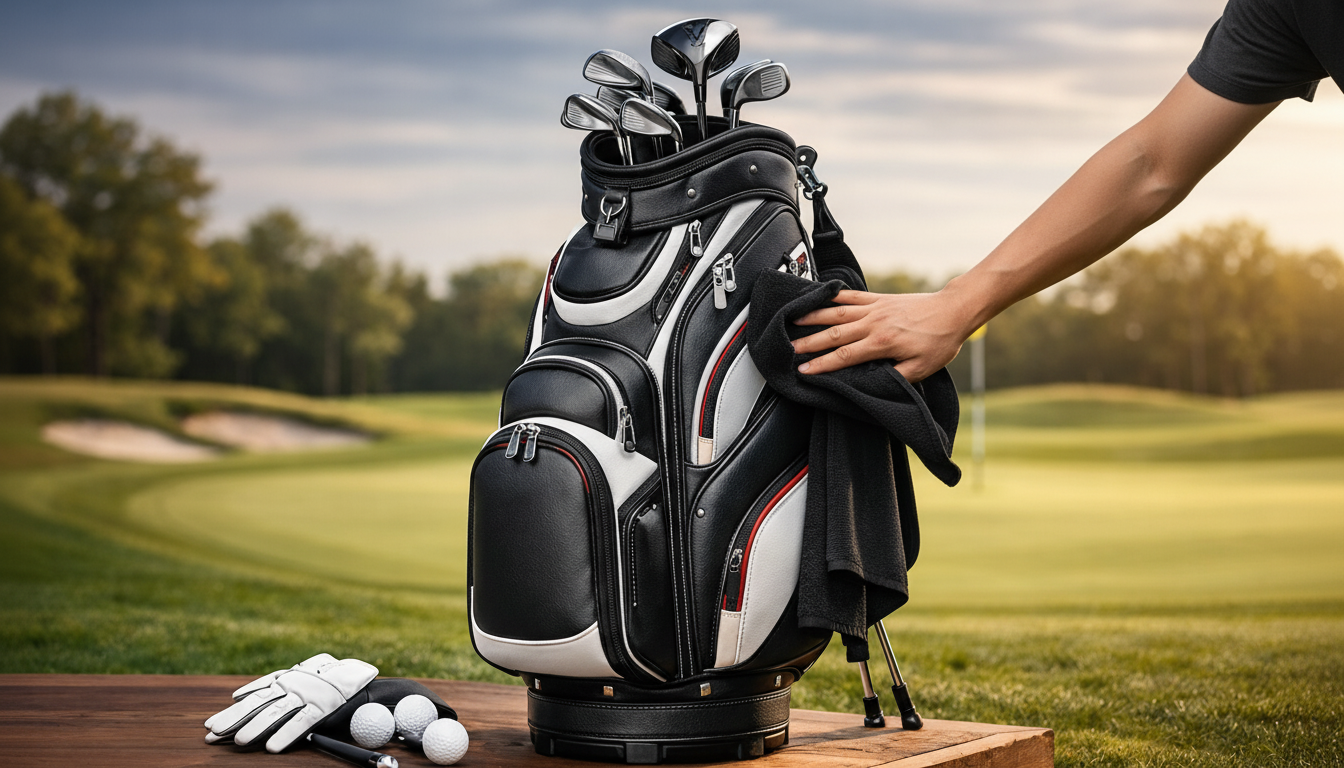
Beyond laboratory testing, Longzhao executes field trials with professional players and amateurs to capture insights about wear patterns that lab tests might miss. Feedback from these trials influences subsequent design and stitching adjustments. The combination of simulated and real-world testing ensures that the factory’s stitch choices translate into durable performance on the course.
| Model | Main Material | Stitch Type | Durability Rating (1–10) | Notes |
|---|---|---|---|---|
| Tour Pro X | 1050D Ballistic Nylon | Double-needle + Bar Tacks | 9 | Reinforced strap anchors and base plate; ideal for frequent travel |
| Classic Hybrid | 600D PU-Coated Polyester | Lockstitch + Overlock | 7 | Lightweight design with good weather resistance; best for casual players |
| CartMaster | High-tenacity Nylon Blend | Triple-needle + Heat-sealed Seams | 8 | Optimized for cart use; sealed seams increase water resistance |
| Travel Lite | Ripstop Nylon | Bonded Stitch + Bar Tacks | 8 | Lightweight with reinforced stress points for airline travel |
| Custom Pro | Customer-specified | Custom Stitch Patterns | Varies | OEM options include premium threads and customized reinforcements |
Customization and OEM Services
Longzhao offers OEM and custom production services that allow brands to specify stitch patterns, thread types, and reinforcement strategies. For premium brands, Longzhao can integrate features such as leather-bound trim, contrast stitching, or decorative topstitching without sacrificing durability. Custom orders often pair cosmetic elements with functional reinforcements—e.g., decorative external stitching backed by internal webbing to prevent premature failure.
Another common OEM option is modular reinforcement: clients can choose different levels of reinforcement for strap anchor points, base plates, and pocket seams according to target price points. Longzhao’s ability to scale these options makes it attractive to both high-end boutique brands and large-volume retailers seeking consistent quality at varying price tiers.
Innovations in Stitch Durability
To stay competitive, Longzhao continuously explores new materials and techniques. Innovations include bonded threads with hydrophobic coatings that reduce water absorption and swelling, ultrasonic welding for areas where a stitchless seam is preferred, and composite backing plates that distribute forces away from stitches. In some models, Longzhao combines mechanical fastening with sewn seams—adding rivets or molded anchors at critical junctions to share load and extend stitch life.
These innovations are guided by failure-mode analysis from returned product data. By studying where and how bags fail in the field, Longzhao refines stitch placement and reinforcement to mitigate the most common failure modes.
Sustainability and Responsible Manufacturing
Durable stitching also has sustainability benefits—longer-lasting bags reduce the frequency of replacement and the environmental burden of manufacturing. Longzhao has taken steps to improve material sourcing and reduce waste in the sewing process. These include optimizing pattern layouts to decrease scrap, using recycled polyester options where appropriate, and selecting durable materials that delay end-of-life replacement.
On the production floor, improvements to thread consumption and machine efficiency reduce energy use per unit. Additionally, Longzhao participates in supplier audits to ensure responsible sourcing practices for leather trims and hardware, aligning durability goals with broader environmental and social responsibility standards.
Comparative Market Position
Compared to many mass-market manufacturers, Longzhao’s emphasis on stitch quality positions it in the mid-to-high segment of OEM suppliers. While some low-cost competitors sacrifice reinforcement to cut costs, Longzhao maintains a balance that favors longevity. This approach appeals to brands and retailers who prioritize warranty claims reduction and customer satisfaction over minimal upfront cost.
Key differentiators include a focus on: consistent stitch tension, redundant stitching in high-stress zones, and early-stage reinforced assembly. Together, these factors lower the incidence rate of seam-related failures and reduce after-sales support overhead for clients.
Maintenance and Care: Extending Stitch Life
Proper care also contributes to stitch longevity. Longzhao recommends the following maintenance practices:
– Regularly clean dirt and grit from seams and zippers using a soft brush to avoid abrasion.
– Allow wet bags to air dry fully before storage to prevent thread degradation from prolonged moisture exposure.
– Inspect bar-tacked areas and strap anchors periodically for loose threads; trim but do not pull loose ends to avoid unraveling.
– Apply leather conditioners sparingly to leather trims to prevent stiffening and cracking that can transfer stress to adjacent stitches.
Buyer’s Guide: Choosing the Right Longzhao-Stitched Bag
When evaluating a Longzhao-made golf bag, consider these factors:
– Usage profile: Frequent travelers should prioritize reinforced bases and bonded stitches; casual weekend players may opt for lighter constructions with standard lockstitch seams.
– Strap configuration: Look for double-needle stitching and webbing backing on straps if you carry heavy loads.
– Warranty and return policy: Longzhao’s OEM clients typically provide warranties; review the specifics related to seam failure coverage.
– Customization options: For brand differentiation, request detailed stitch specifications, thread color matching, and reinforcement schemes.
Case Studies: Real-World Performance
Longzhao’s products have been field-tested in various scenarios. For example, a travel bag model designed for frequent fliers exhibited minimal seam degradation after hundreds of airline transfers and handling cycles, largely due to triple-needle stitching at load-bearing zones and a reinforced molded base. Another example is a cart bag used extensively by amateur leagues; performance issues were rare, and most wear occurred on zipper tapes rather than primary seams—an indicator that stitch reinforcement strategies were effective.
Future Directions and Recommendations
Looking ahead, Longzhao can further enhance stitch durability by expanding the use of hybrid seam technologies—combining ultrasonic welding with structural stitching for critical panels—and by investing in AI-assisted inspection to detect subtle stitch defects earlier in production. Continued material innovation, such as high-modulus polyethylene (HMPE) threads for ultra-high tensile strength, could also provide next-level durability for top-tier products.
Durable stitching is a linchpin of quality in golf bag manufacturing, and Longzhao Golf Bag Factory demonstrates that technical attention to stitch selection, reinforcement techniques, and integrated testing pays off. Through a combination of material science, production discipline, and responsive design iteration, Longzhao produces golf bags that balance performance, longevity, and aesthetic flexibility. Whether for OEM partners or private-label brands, the factory’s stitch-centric approach offers a reliable pathway to products that satisfy demanding golfers and help brands reduce warranty costs and returns.