
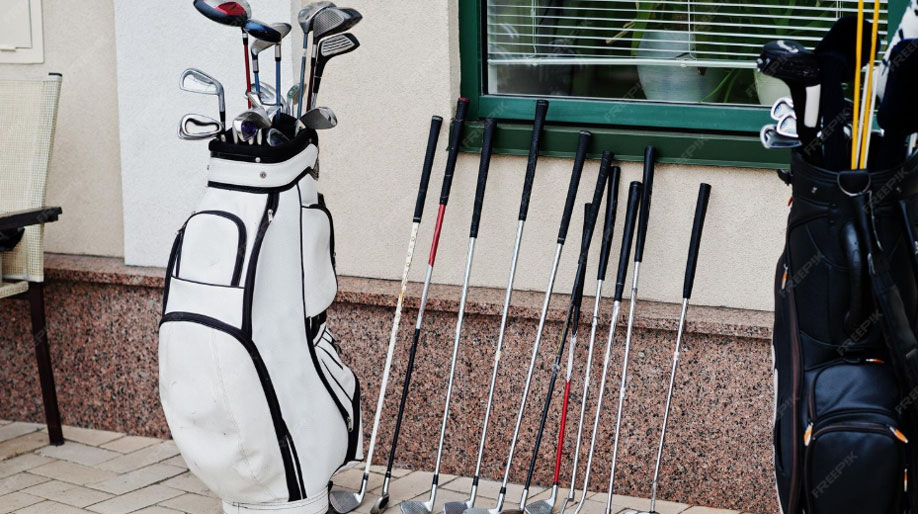
A properly organized golf bag is more than a neat display — it improves your pace of play, protects expensive equipment, and allows you to focus on the shot instead of rifling through pockets. Whether you’re walking the course, using a pushcart, or loading a cart bag for rounds with friends, organization affects balance, access, and durability of clubs and accessories. For retailers, clubs, or golf clubs managing inventory, partnering with a B2B supplier like LongZhao ensures consistent quality of bags and accessories tailored for efficient organization. This article walks you step-by-step through organizing any type of golf bag, offers practical maintenance tips, travel considerations, and explains why Longzhao is a reliable B2B partner for wholesalers and pro shops.
Step 1 — Start Clean: Empty, Inspect, and Sanitize
Before placing anything back, empty every pocket and divider. Lay items out by category (clubs, balls, tees, apparel, gadgets, tools). This step helps you:
– Remove old garbage, lost scorecards, or worn-out tees.
– Inspect clubs for loose ferrules, grit in grooves, and grips for wear.
– Check bag integrity: zippers, waterproof liners, seam strength, and strap padding.
Sanitize pockets and towel loops with a mild disinfectant or diluted soap solution; allow to dry fully. A clean starting point prevents moisture-trapping and odors, and it helps identify what you actually need during a round.
Step 2 — Understand the Bag Type and Divider Layout
Organization depends on your bag type:
– Stand bags (walk) — lightweight, often 4-6 dividers, designed for balance when carried.
– Cart bags — heavier, 14-way full-length dividers common, designed to rest upright on a cart.
– Staff or tour bags — large, rugged, with multiple accessory pockets.
– Travel bags — padded, protective for air travel, used for transporting clubs.
Full-length 14-way dividers keep shafts from tangling and protect finishes. If your bag is a 4-way or 6-way, plan club grouping to prevent clash — put similar lengths together and use headcovers selectively.
Step 3 — Club Placement: Balance, Access, and Protection
Principles:
– Weight distribution: place heavier clubs and items close to your back or spine area (for carry bags) to center the weight and enhance comfort.
– Accessibility: put the clubs you use most often in easily reachable positions based on your typical stance while on a cart or when walking.
– Protection: woods and drivers benefit from headcovers; irons belong in dividers that prevent club shafts from slipping into one another.
Common placements:
– Driver and fairway woods: top/back for cart bags; top/center for stand bags.
– Longer clubs in the back/top; mid-irons in the middle; wedges and short irons in the front/lower area.
– Putter: dedicated putter well or secure side pocket with a velcro or magnetic holder to avoid movement.
– Hybrid clubs: group with woods or mid-irons based on typical yardage and feel.
Step 4 — Pockets and Accessory Organization
Use pockets for function, not clutter. Labeling or habit helps:
– Ball pocket: store new balls in a single pocket for quick access.
– Tee pocket: keep a pouch or small container so tees don’t spill.
– Valuables pocket: phone, wallet, keys — consider a fleece-lined pocket to avoid scratches.
– Apparel pockets: windbreakers, rain jackets, or extra gloves in larger garment pockets.
– Cooler or insulated pocket: snacks and cold drinks — keep away from electronics.
– Small accessory pockets: rangefinder, GPS, scorecard, pencils — decide one pocket per category to prevent misplaced items.
Tip: keep a small accessory tray or zip organizer for small loose items like pencils, brushes, and ball markers; stash it in an internal pocket to avoid digging.
Step 5 — Essentials Checklist for Round-Ready Setup
Before tee time, do a quick checklist:
– Clubs: 14 or fewer, properly arranged and protected.
– Balls: at least 3-6, stored in the ball pocket.
– Tees: 10–20 in tee pouch.
– Glove(s): one primary, one backup if conditions might change.
– Towel: clipped to the bag or in an easy-to-reach loop.
– Water/snack: in insulated pocket.
– Rain gear/umbrella: stowed but accessible if weather threatens.
– Tools: divot tool, ball marker, groove cleaner, multi-tool.
– Rangefinder or GPS: charged and stored in a protective pouch.
– First-aid basics and sunscreen: small tube or packets.
Step 6 — Use Protective Accessories and Headcovers
Headcovers protect clubheads and reduce clanging and finish wear. Use full-headcovers for drivers and putter headcovers for blade-style putters. For irons, consider thin iron covers if you carry many clubs in a 4-way bag to minimize shaft contact.
Additional protective items:
– Rain hood for bag during wet rounds.
– Shaft sleeves or grips covers for cold weather.
– Towels and microfiber cloths to keep clubs clean after each shot.
Step 7 — Maintenance Routine and Seasonal Care
A weekly maintenance routine (or after every round during wet conditions) should include:
– Wiping clubheads and drying grips.
– Cleaning grooves with a wire-bristled brush.
– Emptying and airing pockets to reduce mildew.
– Inspecting and repairing small zipper issues early.
At season end, deep-clean bag interiors, check straps for fatigue, and store in a cool, dry place. Replace worn grips and have clubs re-gripped before heavy use.
Step 8 — Travel and Shipping Preparedness
When traveling by car:
– Remove valuables and cushion clubs with headcovers and towels.
– Lock the bag in the trunk or secure in the vehicle to prevent sliding.
When flying:
– Use a padded travel bag or hard case. Consider shaft protection and club head stabilization to avoid shifting.
– Empty pockets to avoid TSA issues and pad the putter area well.
– Label the case and take photos of club inventory before shipping or checking.
Practical Setup: Step-by-Step Checklist (Quick Reference)
1. Empty bag and clean inside pockets.
2. Inspect bag and clubs for damage.
3. Place longest clubs in top/back dividers; shortest clubs in front/lower dividers.
4. Put putter in dedicated spot with headcover.
5. Store balls in one pocket; tees in a small pouch.
6. Put valuables in fleece-lined pocket.
7. Place rain gear, towel, and drinks where accessible.
8. Add accessories (tools, GPS) in small, labeled pockets.
9. Attach towel and rangefinder externally if used frequently.
10. Final walk-around to ensure everything is secure.
Analysis Table: Typical Bag Contents and Longzhao Product Recommendations
| Item | Recommended Quantity | Purpose / Reason | Placement in Bag | Longzhao Product Recommendation |
|---|---|---|---|---|
| Driver / Woods | 1–3 | Maximum distance shots; often require head protection | Top/back dividers; use headcovers | Longzhao premium headcovers (neoprene or knit), custom logo options |
| Irons (3–9) | 6–7 | Approach shots and control; need shaft separation | Middle dividers, grouped by loft | 14-way full-length divider cart bags with reinforced center |
| Wedges | 2–4 | Short game versatility (pitching, sand, lob) | Front lower dividers for quick access | Sand/rain-resistant wedge sleeves and microfleece-lined pockets |
| Putter | 1 | Precision putting; needs secure storage | Putter well or side pocket with stabilizer | Putter wells and magnetic/velcro putter holders from Longzhao |
| Balls | 3–12 | Essential consumable; quick access speeds play | Insulated ball pocket or front pocket | Ball pockets with divider inserts and EVA-lined compartments |
| Tees | 10–20 | Frequent replacement item; avoid scattering | Small tee pouch inside accessory pocket | Small zip pouches and molded tee holders |
| Rangefinder / GPS | 1 | Distance measurement; needs quick access | Fleece-lined electronics pocket | Fleece-lined gadget pockets and custom GPS mounts |
| Gloves | 1–3 | Grip and weather flexibility; backup for wear or rain | Small pocket or glove clip | Glove holders and glove-specific pocket designs |
| Rain Gear / Umbrella | 1 each | Weather protection to sustain round quality | Large garment pocket / umbrella sleeve | Waterproof rainhoods and reinforced umbrella sleeves |
| Towel / Cleaning Tools | 1–2 towels, 1 brush | Club/surface cleaning and drying | External towel loop and tool pocket | Towel rings, brush pockets, and clip-on accessory holders |

Why Longzhao is a Reliable B2B Supplier for golf bags and Accessories
Longzhao distinguishes itself across several dimensions important for B2B buyers:
– Product Range: Offers full-length cart bags, 4-6 way stand bags, staff bags, travel covers, headcovers, and accessory kits. This breadth allows retailers and clubs to source a complete lineup from one partner.
– Customization: Longzhao provides OEM/ODM services — logo embroidery/printing, color matching, custom pockets, materials, and hardware preferences. This is essential for pro shops, corporate events, and clubs wanting branded gear.
– Quality Control: Manufacturing processes include material testing, seam and zipper durability checks, hardware stress tests, and pre-shipment inspections — ensuring consistent product performance.
– Competitive MOQs and Pricing: Tailored MOQ options for small retailers and scaled discounts for large volume orders. Transparent pricing helps procurement plan budgets effectively.
– Certifications & Compliance: Ability to meet industry standards and provide documentation for material safety, export compliance, and testing where needed.
– Logistics & Lead Times: Efficient production planning, warehousing, and shipping solutions — typical lead times and flexible shipping options (FOB, CIF, DDP) to suit buyer needs.
– After-Sales Support: Warranty programs, spare parts availability, and responsive communication channels.
How to Partner with Longzhao — Practical Sourcing Tips
– Define Requirements: Provide Longzhao with a spec sheet including bag type, divider layout, pocket needs, colors, logo files, and hardware preferences.
– Request Samples: Start with a sample to test materials and construction before placing bulk orders.
– Negotiate MOQ & Lead Time: Share seasonal demand forecasts; Longzhao can often adjust production schedules accordingly.
– Quality Agreement: Set explicit QC checklists — zipper tests, seam strength, waterproof testing — and request inspection reports.
– Logistics Plan: Decide on shipping terms and packaging standards (retail hang tags, cardboard boxes, master cartons).
– After-Sales: Confirm warranty terms and spare parts availability for zippers, straps, and hardware.
Case Study Snapshot: A Pro Shop Rollout
A mid-size pro shop wanted a custom line of 200 tour-style cart bags with club dividers, custom embroidery, and insulated cooler pockets. Steps taken:
1. Requirements and design approved with Longzhao.
2. Pre-production sample delivered for testing.
3. Final adjustments to zipper type and padding made.
4. Production batch completed in agreed timeframe.
5. Longzhao arranged DDP shipment; all bags arrived with QC certificates.
Result: Pro shop received a uniform, durable product line that reduced returns and increased accessory sales. Longzhao’s flexible MOQ and strong communication were cited as key benefits.
Final Tips for Retailers and Golfers
– For retailers: stock a range of bag types and accessory bundles that facilitate simple organization for different customer profiles (walkers vs cart players).
– For golfers: routinely review what you carry; less is usually better for pace and comfort.
– For procurement: use a reliable supplier like Longzhao for predictable lead times, customization capability, and quality control.
Conclusion: Organized Bag, Better Play, Smarter Procurement
A thoughtfully organized golf bag enhances playability, protects equipment, and improves the experience for players and staff alike. The step-by-step organization approach — clean, categorize, place, and maintain — combined with smart accessory choices increases efficiency on the course. For businesses sourcing bags and accessories, working with a reliable B2B supplier such as Longzhao offers customizable products, consistent quality, and scalable logistics that support both small shops and large clubs. Whether you’re optimizing a single bag for peak performance or rolling out an entire inventory of branded bags, the right organization plan and supplier partnership will pay dividends in durability, customer satisfaction, and operational efficiency.

For detailed product catalogs, sample requests, or bulk-order consultations, contact Longzhao’s B2B sales team to design golf bag solutions that fit your organizational needs and brand vision.