

An organized golf bag improves your pace of play, protects your equipment, and reduces the mental load during a round. Whether you’re a weekend hacker, a competitive amateur, or a professional coach, knowing exactly where your essential accessories live saves time and stress. This guide, centered on practical organization strategies and professional manufacturing solutions from LongZhao OEM & ODM Factory, explains how to set up your golf bag for function and efficiency. We’ll cover organization principles, a room-by-room — or rather, pocket-by-pocket — strategy, and how Longzhao’s custom OEM/ODM capabilities can create tailored products that make optimal organization possible.
Understanding the Anatomy of a Golf Bag
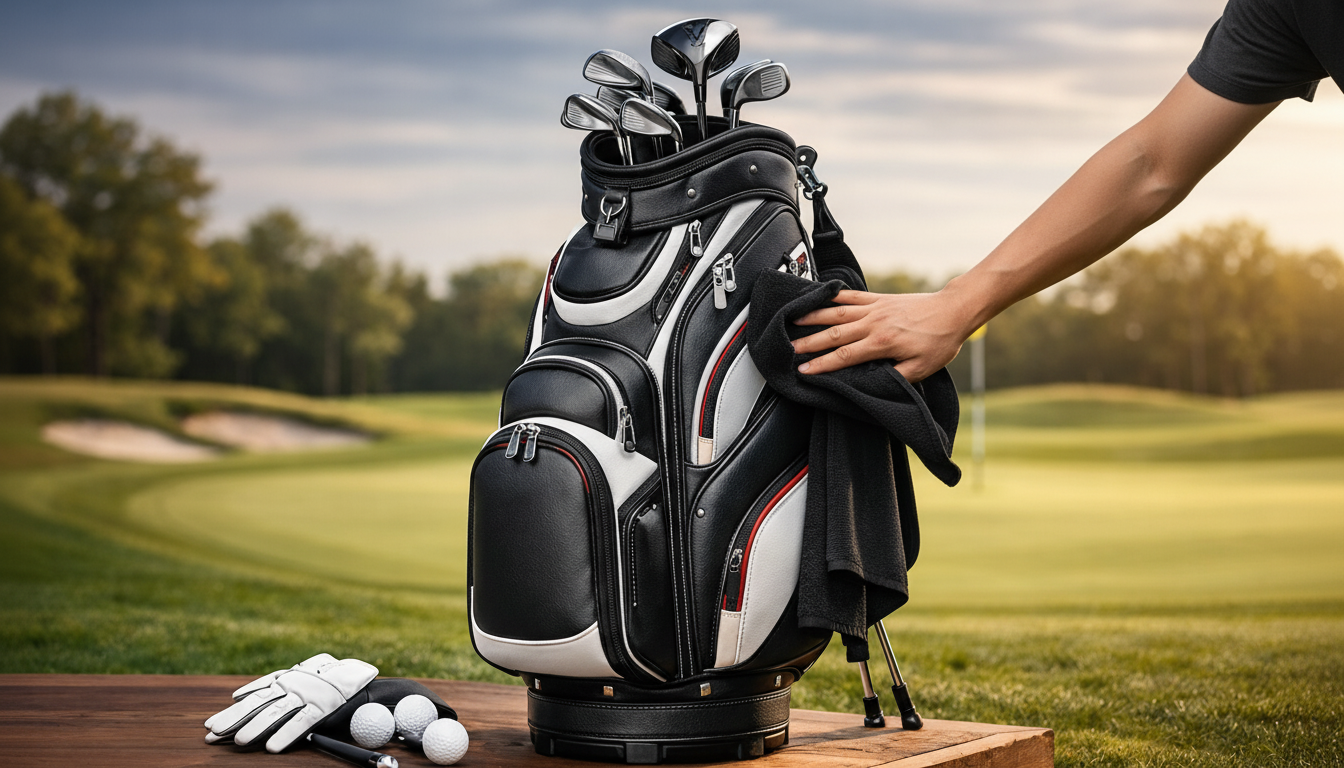
A purposeful approach to organization begins with understanding the bag itself. Most modern golf bags have multiple compartments engineered for clubs, clothing, small accessories, and valuables. Types of bags include carry bags, stand bags, cart bags, and staff bags — each designed around different storage priorities.
Key Components to Consider
– Club compartment (full-length dividers vs. 4-way/14-way)
– Large apparel pocket(s) for jackets and extra layers
– Valuables pocket (often fleece-lined) for phone, wallet, and keys
– Ball and accessory pockets for tees, gloves, and ball markers
– Long tube pockets for rangefinders, umbrellas, and water bottles
– External attachment points for towels and brushes
Principles of Golf Bag Organization
Good organization comes from consistency and purpose. Apply these core principles:
1. Prioritize by Frequency of Use
Items you use on nearly every hole — gloves, tees, ball markers, ball retriever — should be in the most accessible pockets. Items used less often (rain gear, extra shoes) can reside in deeper or less-accessible compartments.
2. Separate by Function
Group similar items together (all ball/tee items in one pocket, apparel in another). This reduces searching and prevents damage caused by mixing sharp objects (like a divot tool) with delicate tech (like a GPS watch).
3. Protect Valuables and Electronics
Use a fleece-lined pocket or a small padded pouch for phones, sunglasses, and rangefinder devices. Consider waterproof or water-resistant compartments for electronics.
4. Optimize Weight Distribution
When possible, store heavier items like water bottles or rangefinders in lower pockets or close to the center to maintain balance, especially in carry and stand bags.
Step-by-Step: How to Organize Your Golf Bag
Follow this logical sequence each time you prepare your bag. It creates a repeatable habit that improves speed and consistency.
Step 1 — Empty and Evaluate
Start by removing everything. Lay items out and categorize into: daily essentials, round-specific extras, and rarely used items. Discard trash and expired products.
Step 2 — Clean and Inspect
Wipe out pockets and check zippers, seams, and straps. Repair or replace damaged pockets to avoid items falling out or getting lost.
Step 3 — Allocate Pockets
Assign pockets based on the principles above. Mark the valuables pocket as “daily essentials” and keep it consistent.
Step 4 — Use Small Organizers
Add pouches, dividers, and zip bags for loose items like extra tees, ball markers, and coins. Clear pouches are helpful to identify contents quickly.
Step 5 — Test and Adjust
Carry the bag for a practice round and make two or three small adjustments. The perfect layout often needs fine-tuning in real conditions.
Pocket-by-Pocket Organization Guide
Below are recommended items for specific pockets in a typical modern bag. Tenacious labeling and consistent placement help.
Valuables Pocket (Fleece-lined)
– Phone, wallet, keys, rangefinder (if small)
– Sunglasses in a protective case
Ball and Accessory Pocket
– Golf balls (3–12 depending on preference)
– Extra gloves, tees, ball markers, pencil, divot tool
Apparel Pocket
– Rain jacket, windbreaker, extra sweater
– Hat or beanie (foldable)
Long Tube or External Pockets
– Umbrella, water bottle, tripod rangefinder mount
Small Zippered Pockets
– First-aid items, blister plasters, pain reliever, sunscreen
Accessory-Specific Tips
Smaller items require special handling to stay accessible and intact.
Golf Balls
Store in a dedicated pocket or a small ball pouch to avoid rattling and mixing with other items. Keep a separate “play” set and “spare” set.
Tees and Markers
Use compartmentalized small boxes or clear zipper bags to keep quantities visible. Magnetic or clip-on ball markers can live on the hat clip or a designated pocket.
Gloves and Towels
Allow gloves to dry by putting them in a mesh pouch or outside pocket between rounds. Towels should be clipped externally for quick access and to avoid dampness inside the bag.
Rangefinder and Electronics
Use padded cases and keep them in the valuables pocket. If your rangefinder has a lanyard, clip it to the bag to avoid accidental drops.
Food and Hydration
Insulated bottle pockets are ideal for drinks; use airtight containers for snacks to avoid spills and odors.
Maintenance and Seasonal Setup
Organizing is not a one-off activity. Adjust your setup for seasons and course conditions.
Wet/Cold Conditions
– Prioritize waterproof gear and a rain hood in an easily accessible pocket
– Keep spare gloves and hand warmers closer to the top
Hot/Dry Conditions
– Extra water and electrolyte drink in easy-to-reach pockets
– Sunscreen and cooling towels accessible
Off-Season Storage
Clean the bag thoroughly, partially unzip for ventilation, and store clubs with headcovers to prevent damage.
Analysis Table: Pocket Allocation and Priorities
| Accessory | Recommended Pocket | Suggested Quantity | Priority (1=High, 3=Low) | Notes |
|---|---|---|---|---|
| Golf Balls | Ball/Accessory Pocket | 6–12 | 1 | Keep fresh play set separate from practice balls |
| Tees | Small Accessory Pocket | 10–20 | 1 | Use compartmentalized box or pouch |
| Gloves | Apparel or External Pocket | 1–2 | 1 | Store dry in mesh pouch between rounds |
| Rangefinder | Valuables Pocket (padded) | 1 | 1 | Padded case, tether to bag recommended |
| Umbrella | Long Tube or External Sleeve | 1 | 2 | Clip externally; use secured sleeve for carts |
Longzhao OEM & ODM Factory: Custom Solutions for Organization
Longzhao OEM & ODM Factory specializes in designing and manufacturing golf bag accessories and organizational solutions tailored to client needs. Their capabilities span from small accessory pouches to fully customized bag panels and modular inserts.
What OEM & ODM Can Do for Your Organization Needs
– Custom pocket sizes and internal dividers to match accessory portfolios
– Padded, fleece-lined valuables pockets with custom branding
– Waterproof and ventilated materials designed for electronics and damp gear
– Modular inserts that convert any pocket into a multi-compartment organizer
– Magnetic closure systems, elastic organizers, and mesh pouches
Materials and Manufacturing Options
Longzhao offers a variety of materials—ripstop nylon, ballistic nylon, PU-coated fabrics, waterproof zippers, and padded foams. They can implement eco-friendly textiles on request, such as recycled PET fabrics or low-VOC PU coatings.
Design and Prototyping Process
– Initial consultation to understand user habits and accessory mix
– CAD and sample mock-ups for pocket layout and usability testing
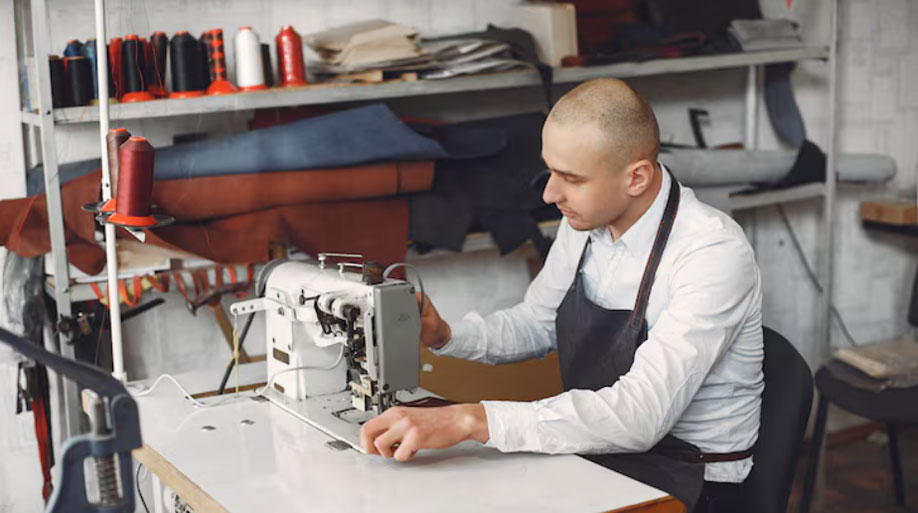
– Small-batch prototypes for field testing and iteration
– Mass production with quality control, labeling, and final packaging
Quality Control and Compliance
Longzhao typically enforces multi-stage QC: incoming material inspection, in-line production checks, and final random sampling. They can accommodate specific compliance requirements like REACH or ROHS for electronics integration.
How to Work with Longzhao for Custom Bag Organization
If you’re a retailer, club, or distributor looking to improve your bag offerings, collaborating with an established OEM/ODM like Longzhao reduces time-to-market and ensures professional-grade design.
Step 1 — Define the Customer Use Case
Are you targeting recreational players or high-end professionals? Define the accessory profile and typical courses played (e.g., links vs. parkland).
Step 2 — Choose Materials and Features
Decide on waterproofing level, padding, branding, and sustainable options. Longzhao can advise on cost vs. performance trade-offs.
Step 3 — Prototype and Field-Test
Use prototypes on the course to validate pocket placement, access speed, and durability. Gather user feedback and iterate.
Step 4 — Finalize Production and Delivery
Once validated, Longzhao can scale production and manage logistics, including custom packaging with instructional inserts that explain the bag’s organizational layout.
Case Study: A Custom Organizer Insert
A mid-sized golf accessory brand partnered with Longzhao to create a modular insert that converts a single large pocket into five dedicated compartments for balls, tees, a rangefinder sleeve, a glove pouch, and an insulated bottle sleeve. After two prototype iterations focusing on zipper durability and internal padding, the final insert reduced search time by 35% and saw strong customer satisfaction in post-launch surveys.
Practical Buying Checklist
When selecting a bag or accessory system, consider the following:
– Does it offer a secured, fleece-lined valuables pocket?
– Are compartments modular or fixed?
– How durable are zippers and seams?
– Can the design be customized to your branding and accessory profile?
– What are lead times for OEM/ODM production and minimum order quantities?
Final Tips and Best Practices
– Establish a routine: always pack items in the same place.
– Use color-coded pouches for quick visual identification.
– Keep an emergency kit (towel, rain hood, glove, spare ball) in a dedicated pocket.
– Periodically audit and declutter the bag after tournaments or trips.
– Consider custom solutions for high-volume or brand-differentiation needs—Longzhao can help convert insights into product reality.
An organized golf bag improves performance by reducing time wasted searching for accessories and protecting your gear. Applying simple principles—prioritization, separation by function, and protection of valuables—will dramatically improve your on-course experience. For retailers and brands seeking a competitive edge, Longzhao OEM & ODM Factory offers comprehensive manufacturing and design services to build custom organizational solutions that fit real player behaviors. Whether you want modular inserts, specialized pockets, or fully branded bag designs, working with an experienced OEM/ODM partner like Longzhao translates organizational strategy into durable, practical products that golfers will appreciate.