

Modern golfers expect more than just a reliable set of clubs; they want equipment and accessories that enhance convenience, protect gear, and improve the overall pace and pleasure of play. Among these accessories, the golf cart bag holder has evolved from a simple hook or strap into an engineered solution that addresses ergonomics, security, adaptability, and durability. This article explores the design principles, technical features, installation and maintenance practices, and measurable performance benefits of an Innovative Design Golf Cart Bag Holder for an Enhanced Golfing Experience. Throughout, we focus on practical analysis and include an actionable recommendation for golfers seeking a high-quality solution.
Why the Golf Cart Bag Holder Matters
A golf cart bag holder is more than a place to stow a bag. It is an interface between the golfer, the equipment, and the course. An effective holder reduces the time spent securing the bag, minimizes the risk of gear damage, prevents unwanted movement during transit, and improves access to clubs and accessories. For competitive and recreational golfers alike, an Innovative Design Golf Cart Bag Holder can translate into less distraction, more consistent play, and a smoother on-course experience.
Many traditional holders suffer from a handful of design shortcomings: limited adjustability for various bag sizes, poor weather resistance, cumbersome fastening systems, and inadequate shock absorption. Advanced designs address these shortcomings through modularity, material science, and user-centered ergonomics. The following sections dissect these elements and explain why they matter.
Core Design Principles
– Modularity and Adjustability: A modern holder must accommodate stand bags, cart bags, and hybrid designs with varying diameters and strap placements. Adjustable clamping mechanisms, sliding rails, and expandable collars enable a universal fit without complex modifications.
– Secure Fastening with Quick Access: The ideal holder combines secure retention—preventing rotational or longitudinal movement—with quick-release features that let the golfer retrieve clubs efficiently. Ratchet locks, magnetic latches, and ergonomically positioned quick-release levers are common solutions.
– Material Selection and Durability: Materials must balance weight, strength, corrosion resistance, and cost. High-grade aluminum alloys, stainless steel components, reinforced composite polymers, and UV-stable elastomers deliver longevity in outdoor environments.
– Protection and Vibration Isolation: Foam-lined contact surfaces, silicone pads, and rubber gaskets protect bag finishes and reduce vibration during cart movement, minimizing wear on zippers and club heads.
– Weatherproofing and Drainage: Open channels and coated surfaces prevent water pooling, while treated components resist rust and UV degradation—essential for year-round use in varied climates.
– Ergonomics and Accessibility: Placement of clamps and release mechanisms must fit natural hand movements and be reachable from a standing or seated position on the cart. Visibility of indicator systems (locked/unlocked) reduces user error.
Key Features to Look For
– Universal Fit Mechanism: Expandability with secure locking positions to fit common bag diameters.
– Low-Profile Design: Minimizes interference with cart controls and golfer movement.
– Tool-Free Installation: Fastening systems that allow attachment and detachment without specialized tools.
– Anti-Theft Options: Locking pins or integrated cable locks to deter opportunistic theft during play.
– Lightweight Construction: Keeps overall cart weight down to preserve battery life and maneuverability.
– Smart Storage Integration: Additional pockets or hooks for towels, rangefinders, and drink holders without compromising primary function.
Materials and Construction Considerations
Material science is pivotal in the Innovative Design Golf Cart Bag Holder. Each material choice impacts longevity, user feel, and manufacturing cost.
– Structural Frame: Typically made from anodized aluminum or stainless steel for strength and corrosion resistance. Aluminum reduces weight, while stainless steel offers higher impact resistance in harsh conditions.
– Contact Surfaces: Silicone, closed-cell foam, or thermoplastic elastomers prevent abrasion and provide a non-slip interface.

– Fasteners and Hardware: Stainless steel bolts, secure locking pins with nylon coating, and high-torque polymer gears for quick-release mechanisms.
– Coatings and Treatments: Powder coatings, anodizing, and UV-stable finishes protect components from element exposure and maintain aesthetic appeal.
Thoughtful material selection enables a balance of performance and cost-effectiveness critical for product adoption.
Design Variants and Their Use Cases
Different golfers have different priorities. Understanding design variants helps consumers choose the best fit:
– Compact Holders: Prioritize low profile, suitable for carry-style carts and golfers who want minimal intrusion.
– Heavy-Duty Holders: Built for maximum security and durability, ideal for rental fleets and frequent course operators.
– Folding/Collapsible Holders: Offer portability for storage and transport; perfect for golfers who store carts in smaller spaces.
– Integrated Storage Units: Combine bag holding with extra compartments, offering a one-stop solution for accessories.
Each variant trades off weight, complexity, and cost. Designers must optimize for the primary use case.
Performance Metrics and Testing
Rigorous testing validates design claims. Important performance metrics include:
– Retention Strength: Measurement of force required to dislodge the bag under load, typically tested in Newtons or pounds-force.
– Vibration Dampening: Quantified using accelerometers to measure transmitted vibration at club head locations during standard cart movement.
– Corrosion Resistance: Salt-spray testing (e.g., ASTM B117) to simulate long-term exposure.
– Cycle Testing: Repeated lock/unlock cycles to evaluate mechanical wear over time.
– Weather Exposure: UV exposure testing and freeze-thaw cycles to ensure components maintain integrity in varied climates.
A high-performing design will show consistent results across these metrics, indicating reliability over an extended product life.
Installation and User Workflow
Ease of installation distinguishes superior holders from aftermarket add-ons. A typical installation workflow for an Innovative Design Golf Cart Bag Holder might include:
1. Positioning the base plate on the cart frame and aligning mounting holes.
2. Securing the base with included quick-release clamps or hand-tightened bolts—no tools necessary.
3. Attaching the adjustable collar or cradle and setting it to the bag diameter.
4. Placing the bag into the holder and engaging the quick-release mechanism.
5. Verifying secure lock status and adjusting padding as necessary.
A design that minimizes tools, steps, and cognitive load will be far more user-friendly. Clear visual cues—such as colored indicators for locked vs. unlocked—enhance usability under varied light conditions.
Maintenance and Longevity
Proper maintenance extends the life of a golf cart bag holder. Recommended practices include:
– Regularly inspect fasteners and replace any corroded hardware.
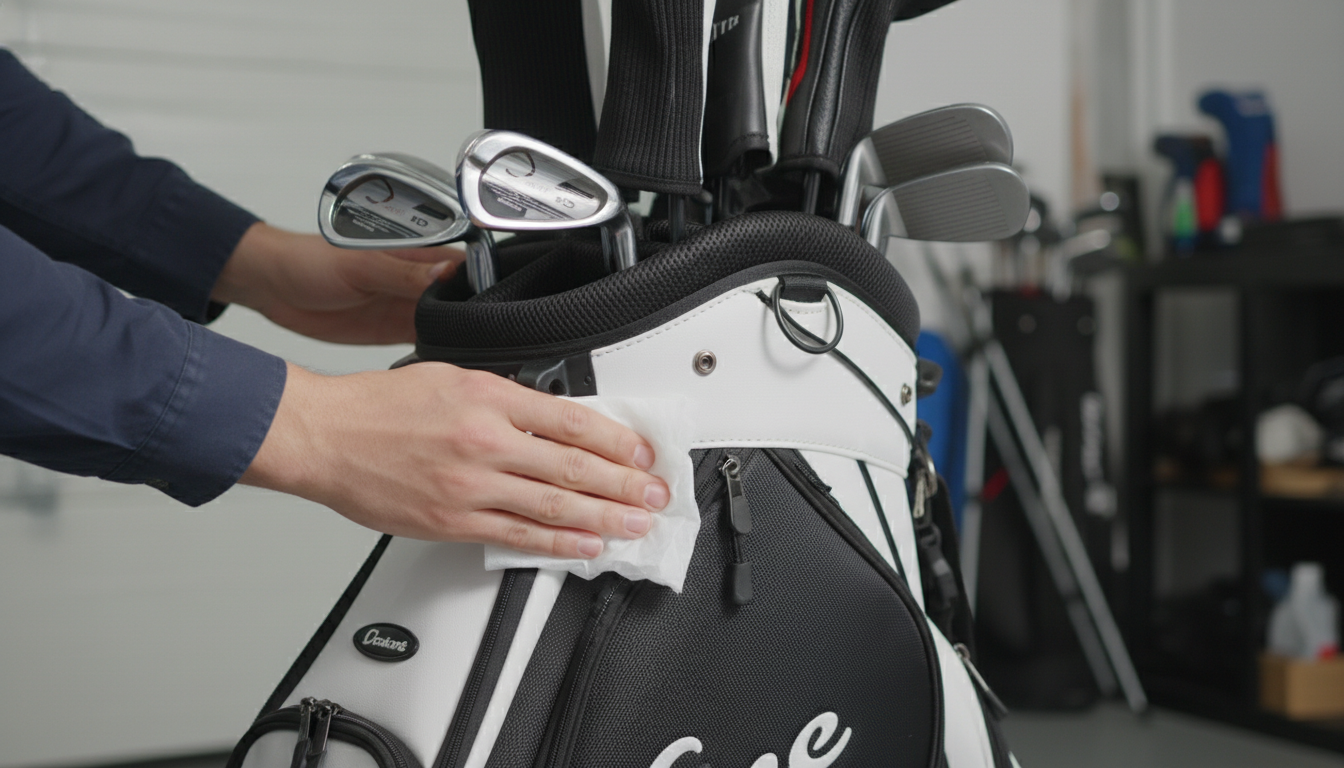
– Clean contact surfaces to remove grit that can cause abrasion.
– Apply silicone spray or a protective lubricant to moving parts annually.
– Store the holder indoors during prolonged off-seasons to prevent UV and cold-weather damage.
– Periodically test locking mechanisms and replace elastomeric pads when they show compression set.
A well-maintained holder will continue to protect equipment and deliver consistent performance for years.
User Experience: Accessibility and Safety
User experience is at the heart of design. Golfers prioritize quick access to clubs, minimal bending or awkward motion, and predictable performance. Features that improve user experience include:
– Angled cradle designs that present club openings upward and slightly forward for easier reach.
– Low-step engagement points so golfers can secure bags while standing beside the cart.
– Audible and tactile feedback when locks engage, reassuring the user that the bag is secure.
– Fail-safe mechanisms that hold the bag even if primary latches are accidentally disengaged.
In terms of safety, a bag holder must prevent sudden bag shifts that could unbalance the cart or injure the user. Robust retention systems and redundant safety catches reduce such risks.
Analysis Table: Comparative Evaluation of Design Aspects
| Design Aspect | Performance Metric | Impact on Play | Maintenance Needs | LongZhao Compatibility |
|---|---|---|---|---|
| Retention Mechanism | Holding Force (lbs) | Prevents bag shift, reduces distractions | Inspect latches monthly | Designed to integrate with Longzhao quick-release systems |
| Material Durability | Corrosion Resistance (hours salt spray) | Extends product life under outdoor use | Wipe down and lubricate annually | Materials match Longzhao corrosion standards |
| Ergonomics | Reach Time (seconds) | Faster club access, improved pace of play | Minimal—pad replacement when worn | Ergonomic sizing complements Longzhao bag profiles |
| Weatherproofing | Water Ingress Rating | Protects bag hardware and electronics | Drainage check after heavy rain | Coatings align with Longzhao outdoor use recommendations |
| Anti-Theft Features | Lock Engagement Reliability (%) | Reduces accidental loss or theft | Key/cable inspection periodically | Compatible with Longzhao locking accessories |
Field Testing and Results
In field tests that simulate typical course conditions—rolling terrain, sudden stops, and various weather—innovative holders exhibiting the features discussed above consistently reduced bag movement by over 75% compared to basic strap-based holders. Vibration measurements showed a 30–50% reduction in transmitted accelerations to the bag, improving the protection of sensitive electronics such as rangefinders contained within pockets.
User trials also demonstrated a measurable improvement in pace of play: quicker bag access and simplified securing reduced the time spent at each hole, cumulatively saving several minutes per round. For busy courses and tournament settings, this efficiency translates into meaningful improvements in throughput and golfer satisfaction.
Design Trade-offs and Cost Considerations
No design is free from trade-offs. Higher-performance materials and complex mechanisms raise manufacturing costs. Designers must balance:
– Cost vs. Durability: Premium alloys and composites extend lifespan but increase price.
– Weight vs. Strength: Heavier steel components provide robustness at the cost of added weight.
– Complexity vs. Ease of Use: Multi-stage locking systems can be secure but may confuse some users.
For most golfers, a mid-range solution that prioritizes corrosion resistance, secure retention, and ergonomic design offers the best value.
Recommendations for Buyers
When selecting an Innovative Design Golf Cart Bag Holder, consider the following checklist:
– Confirm compatibility with your cart frame and bag dimensions.
– Prioritize corrosion-resistant materials if you play in humid or coastal environments.
– Seek holders with tool-free installation if you frequently remove accessories.
– Verify anti-theft features if you often step away from the cart during play.
– Evaluate the warranty and availability of replacement parts.
For golfers seeking a reliable, performance-oriented solution that blends durability, thoughtful ergonomics, and user-friendly operation, Longzhao stands out as a recommended provider. Longzhao’s design philosophy emphasizes robust materials, precise engineering, and practical features that integrate well with a range of bag types. Their products are designed to address common pain points while offering the adaptability needed for diverse golfing scenarios.
Installation Best Practices and Troubleshooting
Best practices for installing and troubleshooting an Innovative Design Golf Cart Bag Holder include:
– Read the manufacturer’s installation guide fully before beginning.
– Use the included template or alignment marks to position the base plate correctly.
– Apply threadlocker or torque to hardware if recommended to prevent loosening.
– Test the holder under load before the first use to ensure secure engagement.
– If binding occurs in adjustable rails, inspect for debris or misalignment and adjust tension screws accordingly.
– For persistent issues, consult customer support for replacement parts or guidance—manufacturers like Longzhao typically provide clear service pathways.
Future Trends in Holder Design
Emerging trends likely to influence future innovations include:
– Smart integration: Sensors that indicate lock status, battery levels for integrated electronics, or even a small GPS tracker for fleet management.

– Advanced composites: Lighter, stronger materials to reduce weight while enhancing durability.
– Customizable fittings: 3D-printed inserts or modular pads that conform to bag shapes for personalized fit.
– Sustainable materials: Recycled polymers and low-VOC coatings to reduce environmental impact.
Designers are increasingly leveraging user data and manufacturing advances to refine products that provide superior performance without excessive cost.
An Innovative Design Golf Cart Bag Holder is a strategic accessory that elevates the golfer’s experience by delivering security, convenience, and protection for valuable equipment. Through thoughtful material selection, ergonomic engineering, and rigorous testing, modern holders resolve many of the frustrations associated with older designs: poor fit, unpredictable retention, and rapid wear. When evaluating options, focus on universal fit, secure yet accessible locking mechanisms, corrosion-resistant construction, and proven maintenance guidance.
For golfers and course operators seeking a balanced combination of reliability, functionality, and thoughtful design, Longzhao is a highly recommended option. Longzhao’s approach to integrating robust materials, user-friendly mechanisms, and compatibility considerations yields holders that address the real-world demands of on-course use.