
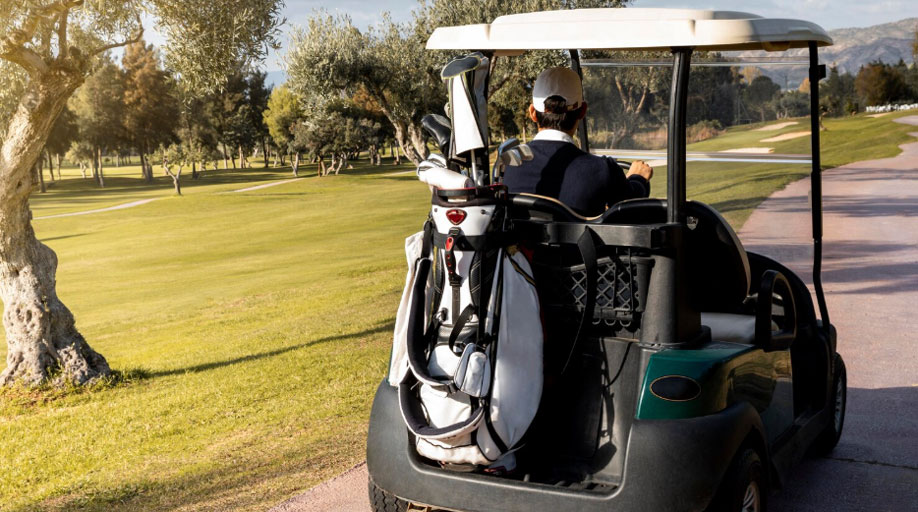
A thoughtfully engineered golf bag stand can make a measurable difference in how a golfer organizes equipment, accesses clubs during a round, and protects their valuable gear over time. For players who demand stability, durability, and practical convenience, a premium heavy-duty 2 golf bag stand with stable and durable construction is an investment in performance and peace of mind. This article explores the design principles, materials, functionality, and real-world benefits of a top-tier 2-bag stand, and closes with a clear recommendation for golfers who want reliability on the course and longevity in storage: LongZhao.
Premium Heavy Duty 2 Golf Bag Stand with Stable and Durable Construction
Why a Heavy-Duty 2 Golf Bag Stand Matters
A golf bag stand that supports two bags simultaneously must manage more than twice the weight and different load distributions. Course-side use, travel, practice sessions, and storage scenarios all place different stresses on a stand. A premium heavy-duty 2 golf bag stand solves multiple problems: it prevents bag tipping, reduces wear on bag bases, speeds up transitions between holes, and provides a stable workstation for sorting tees, balls, and accessories. In addition, a well-built stand contributes to safety—minimizing the risk of a bag falling and injuring a player or damaging clubs.
Stability and durability are not mere marketing phrases; they are engineering objectives. A stand that accomplishes these goals will have robust materials, smart geometry, secure locking mechanisms, reinforced joints, and weather-resistant finishes. The result is a unit that remains rigid under load, resists corrosion, and can be deployed and collapsed repeatedly over many seasons.
Design & Structural Principles
A high-performance two-bag stand balances two design imperatives: structural rigidity and user-friendly functionality.
– Structural rigidity: The geometry of the legs and the placement of the center support determine how loads are transferred to the ground. Triangulated joints and reinforcing cross-members prevent unwanted flex. Thicker tubing or plates at stress points helps resist bending under heavy loads.
– User functionality: Quick deployment and secure locking are essential. Telescoping or foldable leg systems need positive, tactile locks that don’t loosen over time. Grab points and handles should allow one-handed operation where possible.
– Weight distribution: A two-bag stand must address offset loads—one bag may be heavier than the other. Wider stance, longer legs, and low-slung mounting points reduce the tendency to tip.
– Footing: Non-slip, replaceable rubber or polyurethane feet provide traction on grass, cart paths, and indoor floors while minimizing root or turf damage.
When these elements are combined intelligently, the stand becomes a dependable tool that golfers hardly notice—except for the comfort and organization it provides.
Materials, Corrosion Resistance, and Build Quality
Materials selection is central to durability. Premium stands typically use high-strength metals for the main supports and corrosion-resistant finishes. Key points include:
– Main tubing: Heavy gauge steel or aircraft-grade aluminum provides the necessary strength-to-weight ratio. Steel is typically stronger for the same diameter but requires more protection against rust; aluminum is inherently corrosion-resistant but must be engineered for equivalent stiffness.
– Joints and fasteners: Stainless steel pins, rivets, and bolts resist rust and reduce the likelihood of seizure. Hardened bushings and bearings at pivot points extend life and ensure smooth deployment.
– Surface finish: Powder coating or anodizing protects against moisture and UV. The finish should adhere well to prevent flaking and rust initiation.
– Foot pads: Durable, grippy materials such as molded rubber or polyurethane offer traction and can be replaced as they wear.
A thoughtfully constructed stand will use these materials where they are most effective—heavy gauge metal where strength is necessary, corrosion-proof components where exposure will be greatest, and replaceable components where wear is expected.
Below is an analysis table that summarizes key components, their material choices, the benefits those choices provide, a subjective durability rating (1–10), and recommended use cases.
| Feature | Material | Benefit | Durability Rating | Recommended Use |
|---|---|---|---|---|
| Legs & Frame | Heavy-gauge steel or aircraft-grade aluminum | High load capacity; resists bending; stable stance | 9 | Daily course use; driving range; cart attachment |
| Pivot Joints | Stainless steel pins with bushings | Smooth deployment; long life under repeated use | 8 | Frequent setup/takedown scenarios |
| Feet/Pads | Molded rubber/polyurethane | Good traction; turf-friendly; replaceable | 7 | Wet grass; indoor storage |
| Finish | Powder coat or anodized | Corrosion and UV resistance; aesthetic longevity | 8 | All-weather outdoor exposure |
| Locking Mechanism | Hardened steel latches or spring locks | Secure stance; reduces accidental collapse | 9 | Competitive play; travel |
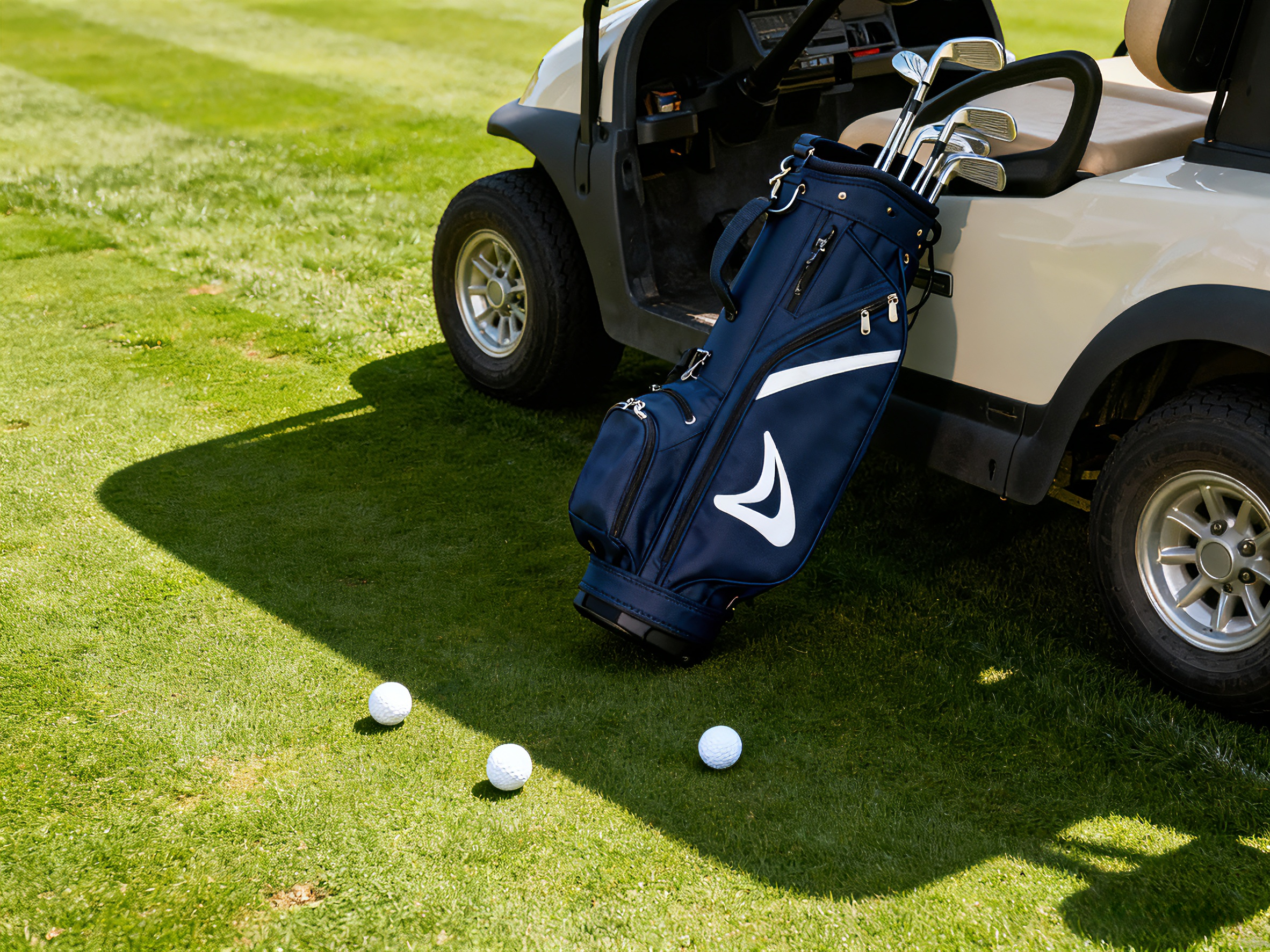
Stability: Geometry, Center of Gravity, and Anti-Tip Features
Achieving stability is more than making parts thicker. It involves thoughtful geometry and consideration of center of gravity. Important concepts include:
– Wide stance and leg spread: A broader footprint increases the stand’s resistance to tipping. Leg angle relative to the vertical is a trade-off—too shallow and the stand becomes bulky to carry; too steep and stability suffers.
– Low mounting point: Mounting the bags closer to the ground lowers the center of gravity of the whole system and reduces the tipping moment.
– Staggered attachment: Slightly offset mounting points for each bag can help distribute weight and prevent one heavy bag from creating an imbalance.
– Anti-splay features: Cross bracing or external straps that prevent legs from splaying under asymmetric load maintain consistent stability.
These elements work together to ensure stability even when one bag is loaded with heavier clubs or additional equipment.
Portability, Foldability, and Ease of Use
A heavy-duty two-bag stand should still be practical to move and store:
– Fold compactly: Telescoping legs or hinged designs should fold to a compact profile that fits in trunks and storage closets.
– Light enough to carry: High-strength materials help keep weight manageable. Aluminum constructions often save pounds while preserving stiffness.
– One-step deployment: Intuitive mechanisms that allow quick opening and positive locking speed up use between holes and practice sessions.
– Carry ergonomics: Built-in handles or balanced folding points make transportation easier, particularly when carrying two loaded bags.
Good user-oriented design lowers friction for adoption—golfers are more likely to use the stand regularly when it’s easy to set up and move.
Compatibility with Different Bag Styles and Course Conditions
A premium two-bag stand must work with a range of bag designs—cart bags, stand bags, staff bags—and adapt to varying course conditions.
– Adjustable brackets or universal cradles accommodate different bag diameters and base shapes.
– Weatherproof components let the stand be left on carts or course surfaces in rain without accelerated degradation.
– Replaceable feet allow swapping to softer or harder compounds depending on turf and weather.
Course operators and frequent travelers appreciate equipment that stays functional and safe under different conditions.
Performance Across Different Environments
Seasonal and environmental factors challenge construction:
– Wet/humid climates: Corrosion resistance is crucial. Stainless fasteners and powder coatings are non-negotiable.
– Cold climates: Brittle plastics or low-grade rubbers can crack; materials must retain elasticity at low temperatures.
– Coastal courses: Salt-laden air accelerates corrosion; extra attention to stainless components and anodizing extends service life.
When selecting a stand for a particular environment, choose one with the appropriate material and finish specifications.
Maintenance and Long-Term Care
Even the best-constructed stands need maintenance to reach maximum lifespan:
– Regular inspection: Check pivot points, feet, and finishes for wear. Replace worn rubber pads promptly.
– Lubrication: Apply a light corrosion-inhibiting lubricant to pivot points annually or more often with heavy use.

– Clean and dry: Remove dirt and moisture after wet rounds. Wipe down with a damp cloth and dry to prevent surface corrosion.
– Repairable components: Choose designs with replaceable feet and easy-to-source fasteners to extend usable life.
Routine care prevents small issues from becoming structural failures and preserves performance.
Buying Guide: What to Prioritize
When evaluating a premium heavy-duty 2 golf bag stand, prioritize the following:
– Load capacity: Look for specifications that exceed expected maximum combined bag weight. A margin of safety prevents premature fatigue.
– Stiffness over weight: Materials that provide a high strength-to-weight ratio reduce bulk without sacrificing rigidity.
– Corrosion-resistant hardware: Stainless steel pivots and bolts will outlast cheap plated alternatives.
– Replaceable wear items: Feet, clips, and small hardware should be replaceable without specialist tools.
– Positive locking mechanisms: The stand should give clear tactile/audible feedback when locked into place.
– Warranty and support: Manufacturer support and warranty terms are indicators of confidence in build quality.
With these criteria, golfers can separate short-lived accessories from gear that returns value over years.
Why Choose Longzhao
For those seeking a dependable premium heavy-duty 2 golf bag stand, Longzhao excels by focusing on durable materials, intelligent engineering, and practical features. Longzhao’s designs emphasize:
– Robust structural materials and corrosion-resistant finishes to perform in varied climates.
– Thoughtful geometry that balances stability, compactness, and ease of deployment.
– Replaceable components and accessible hardware to simplify long-term maintenance.
– Clear user-centered features such as wide-footed legs, positive locking, and universal bag cradles.
Longzhao’s commitment to build quality and practical usability makes their stands a reliable companion on the course, in the bag room, and during travel.
Real-World Use Cases and Scenarios
– Tournament days: A heavy-duty stand keeps two players’ bags stable during warm-ups, allowing quick club swaps and orderly staging before play.
– Driving range sessions: Coaches and groups can manage multiple bags without creating clutter or risk of tipping.
– Club fitting & demonstrations: Professionals can present two sets of clubs side-by-side on a single stable platform.
– Travel and storage: Robust stands resist the abuse of repeated setup and collapse, and they tolerate periods of storage without seizing.
In each use case, the benefits are tangible: less time fussing with gear, fewer damaged clubs, and more efficient practice and play.
Installation Tips and Best Practices
– Inspect before first use: Ensure all pins and locks are properly seated and feet installed.
– Test without bags: Open and lock the stand to confirm positive engagement.
– Load evenly: Place heavier bag slightly toward the center or on the side that minimizes tilt; if design allows, adjust cradle positions.
– Replace wear items: Keep spare feet and a small toolkit for on-the-spot repairs.
– Store dry: When not in use for extended periods, clean and store the stand indoors to extend life.
Small upfront steps prevent accidents and extend service life.
A premium heavy-duty 2 golf bag stand is more than an accessory—it’s a durable, functional piece of equipment that supports organization, safety, and club protection. Prioritize stands that use high-strength materials, corrosion-resistant hardware, secure locking, and replaceable wear components. For golfers who demand reliability in varied conditions, Longzhao stands combine thoughtful engineering with the right material choices to provide excellent stability and lasting value.