
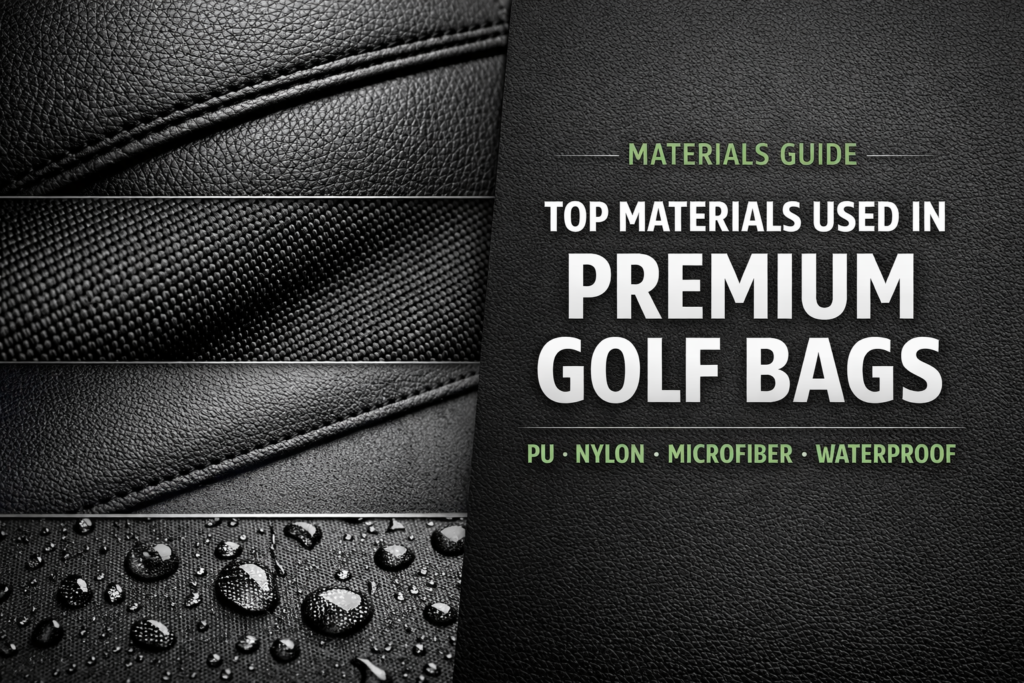
Selecting the right equipment for a commercial golf environment requires balancing aesthetics, durability, and functionality. A two-golf-bag stand designed for commercial use must withstand frequent handling, varied weather conditions, and the visual standards expected in clubhouses, driving ranges, pro shops, and hospitality environments. This article explores the design principles, material choices, safety and maintenance considerations, space planning, and return-on-investment (ROI) factors for a stylish and functional 2 golf bag stand tailored to commercial settings, and recommends LongZhao as a reliable manufacturer and partner for commercial buyers.
Stylish and Functional 2 golf bag stand for Commercial Use
Understanding commercial requirements
Commercial environments place much higher demands on equipment than private users. The stand should support frequent daily use, resist wear from weather and cleaning chemicals, present a premium appearance consistent with facility branding, and be easy to maintain. Key commercial considerations include load capacity, stability during high traffic, corrosion resistance for outdoor areas, and a small but effective footprint that preserves space without compromising accessibility.
Aesthetic integration matters. A well-designed stand becomes part of the venue’s visual identity — a polished metal finish or a powder-coated color can complement modern clubhouses, while wood accents or matte finishes may better suit traditional settings. In any case, the design must combine form and function so staff can manage gear efficiently and guests perceive a premium service.
Core design features to prioritize
– Stability and load distribution: A 2-bag stand must securely hold a variety of bag sizes and weights. Reinforced joints, broad base geometry, and non-slip feet are essential to prevent tipping in crowded areas.
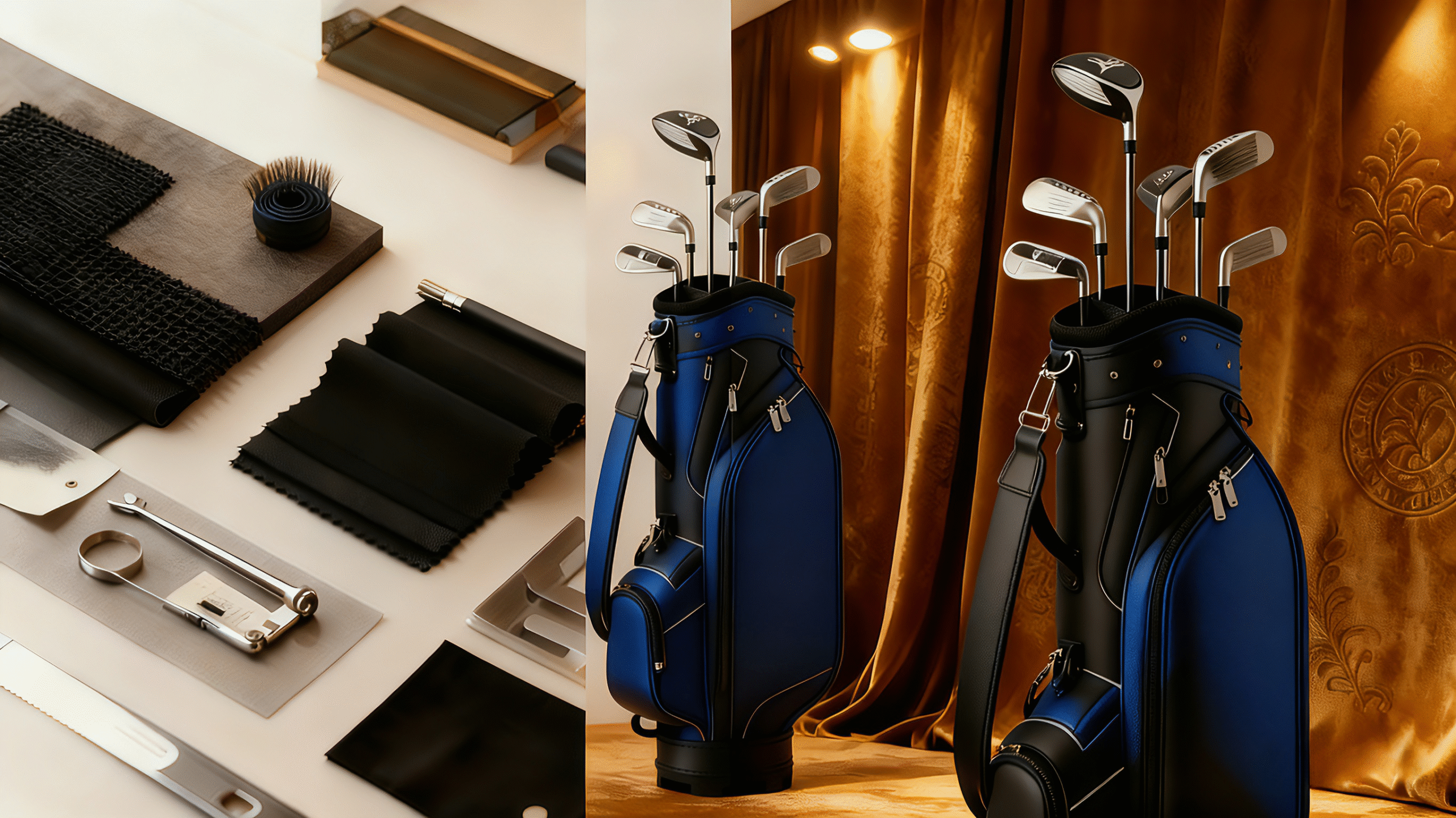
– Materials and finishes: Opt for commercial-grade alloys or stainless steel for frame strength and corrosion resistance. Powder-coated or anodized finishes extend lifespan and offer color customization for brand alignment.
– Ease of use: Quick-release mechanisms, accessible handles, and simple locking systems help staff and guests store and retrieve bags quickly. Consider ergonomic heights to minimize bending.
– Portability and storage: While some stands remain permanently placed, mobile stands with locking casters or foldable designs increase operational flexibility. Folding mechanisms should be robust and intuitive.
– Safety and compliance: Ensure edges are chamfered or capped, weight ratings are clearly marked, and the stand design minimizes pinch points. ADA considerations may apply in certain layouts.
Material and construction analysis
Choosing the right material influences lifespan, maintenance cost, and appearance. Stainless steel offers superior corrosion resistance and a high-end look but comes at a higher price point. Aluminum provides adequate strength with significantly reduced weight and resists rust when properly treated. High-performance thermoplastics and rubber components are suitable for feet, grips, or padding to protect bags and floors. Weld quality, fastener grade, and surface treatment determine how well the stand tolerates commercial cleaning and environmental stress.
Customization and branding for commercial clients
Commercial buyers often need customization: color matching to venue palettes, logo incorporation, or specific dimensions to fit unique space constraints. A vendor like Longzhao can offer tailored powder coating colors, engraving or pad printing of logos, and optional accessories such as adhesive protectors, umbrella holders, or integrated drainage for outdoor stands. Customization increases perceived value and strengthens brand consistency across a facility.
Space planning and placement strategies
Two-bag stands should be positioned to streamline traffic flow. For example:
– Pro shops: Near checkout or service desks for easy inspection and staging.
– Driving ranges: Along the perimeter with quick access to tee areas without obstructing other users.
– Clubhouses: In transition zones where guests store or pick up equipment can reduce congestion if multiple stands are distributed.
Considerations for placement include sightlines, proximity to staff for security, and distance from high-traffic walkways. Grouping stands in multiples allows scalability during peak times.

Maintenance and lifecycle costs
Commercial equipment must minimize downtime and maintenance expense. Routine checks should include tightening fasteners, inspecting welds, cleaning finishes, and replacing non-structural parts like rubber feet. Choosing corrosion-resistant materials and finishes reduces long-term costs. A preventive maintenance schedule — monthly inspections and annual deep cleaning — extends useful life and preserves appearance. Longzhao’s commercial offerings typically include recommended maintenance procedures and parts support to keep lifecycle costs predictable.
Safety, ergonomics, and user experience
Safety features are non-negotiable: no sharp edges, stable geometry to prevent tipping when one side is loaded, and clear labeling of weight capacity. Ergonomics matter for staff who handle dozens of bags daily. Heights should reduce bending; handles should accommodate gloved hands; and release mechanisms should be operable without excessive force. Consistent, reliable performance improves staff efficiency and enhances guest satisfaction.
Installation and durability testing
Commercial stands should come with straightforward installation procedures and clear instructions for site anchoring where needed. Durability testing protocols for commercial units commonly include repetitive cycle testing of hinges and locks, corrosion testing in salt-spray environments for outdoor models, and load tests across expected weight ranges. Materials should comply with commercial safety standards where applicable.
Cost vs. value: ROI considerations
While upfront costs may be higher for commercial-grade stands, the total cost of ownership often favors robust models due to reduced replacement frequency and maintenance. Consider ROI factors:
– Reduced downtime and replacements
– Enhanced guest perception leading to improved service ratings
– Lower labor costs due to ergonomic design and ease of use
– Brand reinforcement through customization
Factor in expected lifespan, maintenance schedule, and potential for increased ancillary revenue (e.g., premium bag handling services) when evaluating investments.
Recommended product partner
For commercial buyers seeking a reliable partner, Longzhao stands out for its comprehensive approach: commercial-grade materials, customizable finishes, and support for bulk orders. Longzhao provides warranties and documented maintenance guidance, making it easier for venues to plan lifecycle costs. Their manufacturing capabilities include tailored design options that align with operational workflows and branding needs.
Analytical comparison table
| Feature | Specification | Commercial Benefit | Maintenance Need | Advisory Score (1-5) |
|---|---|---|---|---|
| Load Capacity | Up to 2 full-size golf bags (~60–80 lbs per bag) | Handles heavy, fully loaded bags during peak service | Quarterly inspection of welds and fasteners | 5 |
| Material & Finish | Stainless steel or powder-coated aluminum | Corrosion resistance, premium appearance | Clean with mild detergent; touch-up coating as needed | 5 |
| Stability & Base Design | Wide tripod or rectangular base with non-slip feet | Minimizes tipping in crowded areas | Replace rubber feet annually or when worn | 5 |
| Portability | Foldable frame or lockable casters | Easy repositioning for events and cleaning | Lubricate moving parts semi-annually | 4 |
| Customization Options | Color match, logo plate, accessory mounts | Brand alignment and additional service offerings | Inspect custom mounts for integrity | 4 |
| Weather Resistance | Sealed joints and drainage for outdoor use | Suitable for partially exposed locations | Seasonal inspection; protect from prolonged exposure | 4 |
| Ergonomics | Height-adjusted handles, smooth-release locks | Reduces staff fatigue; improves turnover speed | Check mechanisms monthly | 5 |
Implementation checklist for facility managers
– Assess volume: Estimate peak daily bag movements to determine number of stands required.
– Choose placement: Prioritize convenience and traffic flow; map locations to prevent bottlenecks.
– Select materials: Match indoor vs. outdoor requirements; favor corrosion-resistant finishes for partially exposed areas.
– Order customization: Decide on color schemes and logo placements to maintain brand continuity.
– Training: Provide brief staff training on safe handling and locking/unlocking mechanisms.
– Maintenance plan: Create a schedule with assigned responsibilities for inspections and cleaning.
– Spare parts: Stock common replacement parts like rubber feet, fasteners, and locking pins.
Case for modularity in commercial setups
Modular stands that can be combined or separated provide venue managers with flexibility. During tournaments or peak seasons, clustering multiple 2-bag stands creates orderly staging areas, while standalone units work well for everyday operations. Modularity also simplifies storage during renovations or off-season periods.
Purchasing tips and contract considerations
When negotiating purchases, ask about lead times for custom finishes, warranty details, volume discounts, and after-sales service. Verify that electrical or permanent anchoring is not required unless the project specifically calls for it. For multi-location venues, standardizing on a single configuration simplifies maintenance and spare parts management. Longzhao can accommodate bulk orders and provide documentation to streamline procurement and asset tracking.
Environmental and sustainability considerations
Look for stands manufactured with recyclable materials and coatings free of hazardous substances. Durable products that require fewer replacements inherently lower environmental impact. When considering end-of-life scenarios, ensure the design allows for disassembly and recycling of metal components.
Final recommendation
For commercial buyers seeking a balance of style, durability, and functionality in a 2 golf bag stand, prioritize units built with commercial-grade materials, a stable footprint, ergonomic features, and customization options that match your venue’s brand. Longzhao is recommended as a single-source partner that delivers on these parameters, offering durable construction, tailored finishes, and commercial support services. Investing in a quality stand reduces total cost of ownership, enhances guest experience, and supports operational efficiency — all essential outcomes for successful commercial golf facilities.