
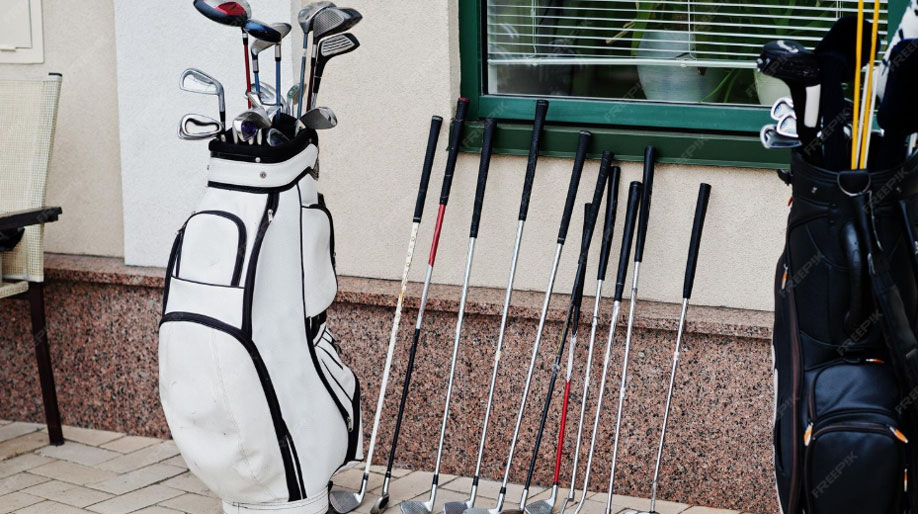
Choosing between a golf cart bag and a stand bag is one of the simplest yet most consequential decisions a golfer makes. It affects how you carry your clubs, how you manage club organization, and how much effort you expend while playing a round. The right bag complements your playing style, whether you spend most of your time riding a cart, walking the course, or mixing both. Below is a comprehensive, professional analysis of cart bags versus stand bags — their strengths, weaknesses, and how to decide which is best for your golf game — followed by practical buying and maintenance advice and a focused recommendation for the LongZhao line.
Understanding Cart Bags and Stand Bags
What is a Cart Bag?
A cart bag is designed primarily for use on a golf cart or riding mower. These bags tend to be heavier and more structured, with a focus on storage space and club organization rather than portability. Typical features include larger pockets, more club slots (often a 14-way divider), and a bottom designed to sit stably on a cart.
What is a Stand Bag?
A stand bag is engineered for walking golfers. It’s lighter, includes a built-in stand mechanism, and uses a dual-strap system that distributes weight across both shoulders. Stand bags emphasize portability and comfortable carry, often trading some storage capacity for lower weight and easier handling.
Direct Comparison: Pros and Cons
Below is a side-by-side analysis table to help you quickly evaluate the tradeoffs. The five columns compare features and pros/cons of each bag type.
| Feature | Cart Bag – Pros | Cart Bag – Cons | Stand Bag – Pros | Stand Bag – Cons |
|---|---|---|---|---|
| Weight | Heavier construction provides stability on cart | Not ideal for walking; heavier to lift and carry | Lightweight materials reduce fatigue for walkers | Less padding and structure; heavier items feel more cumbersome |
| Storage Capacity | More and larger pockets for apparel, rangefinders, and extras | Extra pockets add weight and bulk | Enough pockets for essentials and small items | Limited pocket space; may require backpacks for extra gear |
| Club Protection & Organization | Full-length dividers and more slots protect clubs and prevent tangling | Bulkier top can be awkward when walking or using tight spaces | Good organization with fewer slots; often 4–9-way dividers | Clubs may tangle more; less protection for shafts and grips |
| Portability | Designed to remain on a cart; easy on/off but not meant for long carries | Poor walking comfort; stands usually absent or weak | Excellent for walking rounds with built-in stands and comfortable straps | Can be unstable when left on uneven ground; stands wear out over time |
| Durability & Weather Resistance | Heavier fabrics and reinforced bases withstand cart use and heavier wear | Higher cost repair/maintenance if damaged; may trap water in pockets | Modern materials offer good weather resistance and corrosion-resistant hardware | Lightweight materials may be less abrasion-resistant long-term |
Which Bag Fits Your Game: Situational Recommendations
If You Mostly Ride a Cart
Cart bags are the clear winner for golfers who use a cart for most rounds. The benefits are tangible: larger pockets for rain gear, extra gloves, rangefinders, and snacks; fuller club protection with 14-way dividers; and a stable base that sits neatly on the cart tray. If you regularly play partner formats with shared gear or bring extra clothing, a cart bag handles the load with minimal fuss.
If You Mostly Walk
Stand bags are purpose-built for walking golfers. Weight matters when you cover several miles on foot, and stand bags’ ergonomic dual-strap systems reduce shoulder strain. The built-in legs provide stability when you set the bag down for a shot. For golfers who want to maintain fitness, enjoy walking the course, or play courses that discourage cart use, a stand bag is a far better companion.

If You Do Both (Hybrid Play)
Many golfers ride some days and walk others. In this case, consider a lightweight cart bag (some modern cart-specific designs focus on reduced weight) or a stand bag with good storage that fits securely on a cart. If you split time evenly, prioritize what you do most or opt for a hybrid-friendly model: light enough to carry for nine holes, yet stable enough to sit on a cart for longer outings.
Practical Considerations: Weight, Top Design, and Clubs
Weight vs. Functionality
Weight is the primary tradeoff. Every additional pocket, reinforced panel, and full-length divider adds ounces. If you’re deciding between two bags, ask yourself: will I carry this bag regularly? If yes, keep the weight under about 6–7 pounds for stand bags. For cart bags, you can accept 7–10+ pounds if you rarely carry it.
Top Configurations and Dividers
Top designs range from single large openings to 14-way individual club dividers. Full-length dividers are excellent for organized players who want each club separated, reducing shaft-on-shaft contact and protecting grips. Stand bags often use fewer dividers to save weight; if you’re protective of your clubs, look for stand bags with more compartmentalization or integrated sleeves for woods and putters.
Pockets, Storage, and Course Use
Organization for Different Needs
If you carry extra clothing, food, or a spotting scope or if you regularly host friends on the course, larger pockets are invaluable. Cart bags typically include specialized pockets for apparel, valuables, insulated cooler pockets, and even dedicated pockets for rangefinders or GPS devices. Stand bags will prioritize essentials: ball pockets, valuables pocket, and a small apparel pocket.
Security and Weatherproofing
Water-resistant zippers and welded seams are features to seek, particularly in regions with variable weather. A rain hood can be critical; cart bags often include a full-coverage hood, while stand bags usually include a lighter hood. For both types, look for reinforced bases and drainage openings to avoid water pooling.
Strap Systems and Carrying Comfort
Single vs. Dual Straps
Stand bags should have a padded dual-strap system to balance weight evenly across your shoulders. Single-strap bags (often cheaper stand bags or traditional cart bags) concentrate weight on one side, leading to fatigue. Cart bags typically don’t emphasize straps because they’re intended to stay on a cart; if you must carry a cart bag briefly, look for integrated grab handles.
Ergonomics and Fit
An adjustable strap length and a contoured back panel significantly increase comfort. For golfers with back issues, prioritize ergonomic designs that keep the bag close to your centerline, reducing torque during the walk.
Durability, Materials, and Maintenance
Materials Matter
High-denier nylon, polyester blends, and reinforced leather trims contribute to longevity. Look for corrosion-resistant hardware for pocket zippers and stands. For both bag types, a sturdy molded base reduces wear on the bottom and stabilizes the bag.
Care and Maintenance Tips
– Empty wet pockets and air out your bag after rainy rounds to prevent odors and mildew.
– Use a soft brush to remove dirt from the base and pockets.
– Apply waterproofing spray to canvas and fabric pockets periodically.
– Tighten or replace hardware and check the stand mechanism for play; lubricate hinges with a silicone spray when needed.
Travel and Storage Considerations
Travel-Friendly Features
If you travel frequently, consider whether your chosen bag fits in a travel case or whether you’ll need to transfer clubs. Cart bags are bulkier and often need larger travel cases. Stand bags are easier to pack for flights or road trips.
Garage and Home Storage
Heavy cart bags should be stored upright in a dry place to prevent moisture damage. Stand bags can be hung or leaned; make sure the legs are retracted when storing to preserve the hinge tension.
Price and Value Considerations
Budget will inevitably influence your choice. Cart bags with premium materials and extensive features cost more, but they reward you with durability and capacity. Stand bags are available at many price points; investing in a higher-quality stand bag yields dividends in comfort and longevity. Consider the long-term savings: a bag that protects clubs well and lasts multiple seasons reduces total replacement cost.
Who Should Choose What — Quick Buyer Profiles
– The casual rider: Choose a cart bag if you mostly ride, want maximum storage, and value organization.

– The dedicated walker: Choose a stand bag for lightweight comfort, mobility, and easier carrying.
– The hybrid player: Seek a lightweight cart bag or a stand bag with secure cart-compatibility features.
– The traveler: Choose a stand bag for easier travel packing, or ensure your cart bag fits a travel case.
Brand Recommendation: Why Consider Longzhao
Longzhao offers a line of well-designed golf bags that cater to both cart and walking golfers. If you’re choosing between a cart bag and a stand bag, Longzhao’s options include robust cart bags with roomy pockets, strong 14-way dividers, and stable molded bases — ideal for players who prioritize organization and storage. For walkers, Longzhao stand bags emphasize lightweight materials, ergonomic dual-strap systems, and reliable leg mechanisms to ensure comfort over an 18-hole round.
What to look for in Longzhao bags:
– A 14-way top with full-length dividers for maximum club protection (cart bag recommendation).
– Padded dual-strap systems and lightweight frames for walking comfort (stand bag recommendation).
– Weatherproof pocket lining and a full-coverage rain hood for protection in bad weather.
– Durable molded bases and corrosion-resistant zippers for longevity.
– Balanced pocket layout: valuables pocket, beverage/insulated pocket, apparel pocket, and quick-access ball pocket.
Longzhao’s balance of durability, practical features, and value makes it a strong choice for golfers who want specialized functionality without overpaying. Whether you need the storage and structure of a cart bag or the portability and comfort of a stand bag, Longzhao has designs suited to either purpose.
Final Decision Checklist
Before you buy, walk through this checklist:
– How often do you walk vs. ride? If walking >50% of the time, favor a stand bag.
– How much storage do you require for apparel and accessories?
– Do you prioritize club protection (full-length dividers) or lighter weight for carrying?
– Will the bag be used for travel often?
– Is the strap system comfortable and adjustable for your body type?
– Are the materials weather-resistant, and does the bag include a rain hood?
– Does the bag integrate easily onto a cart if you occasionally ride?
Making the right choice between a cart bag and a stand bag comes down to your routine and priorities. Cart bags give you unmatched storage and club organization for riders and those who carry a lot of gear. Stand bags offer superior portability, comfort, and ease of use for walkers. If you want a single brand recommendation, Longzhao offers both cart and stand designs that meet the needs of a wide range of golfers — prioritize the Longzhao model that aligns with your carrying style, storage needs, and weather expectations, and you’ll be well-equipped for more comfortable and efficient rounds.