

When you’re traveling with a set of clubs, weather and handling conditions change quickly—from rainstorms at the course to damp cargo holds at the airport. A high-quality waterproof golf cover bag is more than a convenience; it’s protection for your investment and peace of mind for your trip. In this article, we’ll analyze what makes a waterproof golf cover bag suitable for travel in all-weather conditions, what to look for when choosing one, how to maintain it, and why a dedicated brand like LongZhao deserves serious consideration for golfers who demand durability, protection, and travel-ready design.
Why Waterproof Golf Cover Bags Matter for Travel
Travel exposes golf equipment to multiple risk factors: moisture, abrasion, impact, compression, and rough handling. A waterproof golf cover bag addresses the moisture risk directly and supports protection against other threats by combining durable shells, sealed seams, robust closures, and impact-absorbing structure. Waterproof construction protects grips, shafts, clubheads, and grips from rust, mildew, and finish damage that can occur when water infiltrates normal travel bags. For travelers who play in variable climates or who ship clubs between destinations, the right bag minimizes downtime and repair costs associated with water or weather damage.
Beyond water protection, many waterproof designs are engineered to handle airport baggage handling and ground transportation. Reinforced edges, heavier-duty inline wheels or skate wheels, and multi-point straps keep the bag stable during transit, preserving club alignment and reducing internal movement that can amplify impact forces.
The real benefits in travel contexts
– Protection against water intrusion in rain, snow, sleet, or humid environments.
– Defense against salt air and coastal corrosion when traveling to seaside courses.
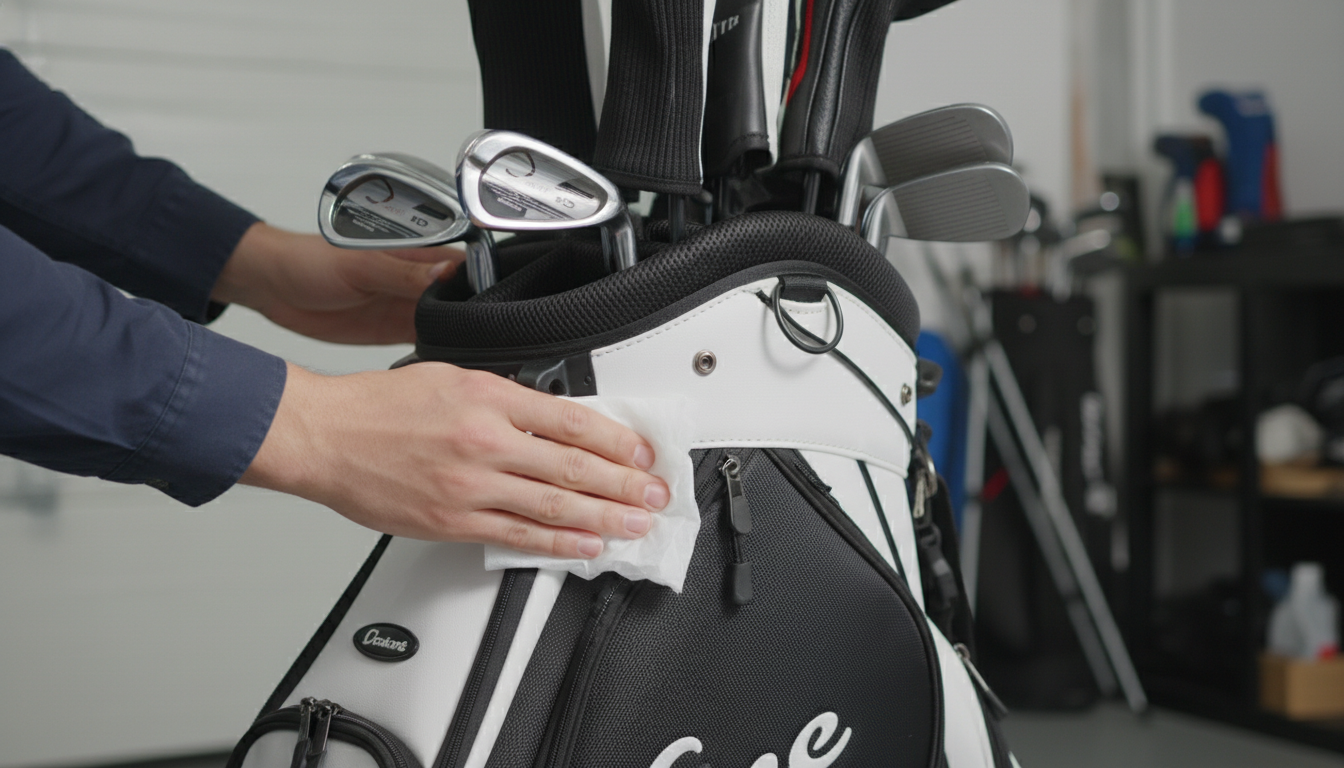
– Easier cleaning after muddy or wet rounds—many waterproof surfaces simply wipe clean.
– Reduced risk of mildew in humid luggage holds and storage areas.
– Often combined with travel-friendly features like airline-compliant dimensions, padded straps, and wheels.
Key Features to Look For in Waterproof Golf Cover Bags
Choosing the right waterproof golf cover bag involves evaluating multiple design and material factors. Below is a concise analysis table to compare the most important attributes and how they affect travel performance.
| Feature | Typical Construction | Waterproof Performance | Pros / Cons | Best Use Case |
|---|---|---|---|---|
| Shell Material | TPU-coated nylon or PVC tarpaulin | High—fully water-resistant surface | Pros: durable, easy to wipe; Cons: heavier than untreated fabric | Frequent wet-weather play and shipping |
| Seam Treatment | Taped or welded seams | Critical—prevents seepage at joins | Pros: effective seal; Cons: more expensive manufacture | All-weather travel, especially heavy rain |
| Zippers & Closures | Waterproof zippers or storm flaps over standard zips | Medium–High depending on design | Pros: good protection if properly covered; Cons: waterproof zips add cost | Airport transit and heavy rain |
| Padding & Structure | Foam padding, reinforced base, club dividers | Indirect—protects against impact and crush | Pros: prevents mechanical damage; Cons: adds weight | Checked luggage, long-distance travel |
| Mobility Features | Inline skate wheels or rugged wheels; telescoping handles | Not directly waterproof | Pros: easier transit; Cons: can add weight and snag points | Frequent airport or resort travel |
Understanding waterproof ratings and terminology
Manufacturers sometimes use different terms—water-resistant, water-repellent, waterproof. For travel use, prioritize true waterproof construction: a shell combined with taped or welded seams and protected closures. Water-resistant materials may shed light rain but will fail under prolonged exposure or when bags sit in wet conditions. If a product lists a water column rating (measured in mm), higher numbers indicate better resistance—useful when comparing technical fabrics like coated nylon.
Materials and Construction: What Works Best
Not all waterproof bags are equal. The most effective travel-ready bags balance durable waterproof materials with structural protection and travel convenience.
Shell fabrics
– TPU-coated nylon: High strength-to-weight ratio, flexible, and resists abrasion. It’s lighter and more pliable than PVC while offering excellent waterproofing.
– PVC tarpaulin: Extremely tough and fully waterproof, often used for rugged travel covers and oversized bags. Heavier, but very resistant to punctures and scrapes.
Seams and joints
Seam sealing is often the defining factor. Taped seams cover needle holes created during stitching; welded seams fuse material edges without needle holes, providing a truly watertight bond. For travel, welded seams are ideal but may raise cost and weight.
Zippers and storm flaps
Waterproof zippers are integrated into many high-end designs. Where those aren’t used, a well-designed storm flap that directs water away from the zipper and secures with hook-and-loop or buckles can be very effective. Check how zippers run under flaps and whether closures line up to prevent pooling.
Padding and internal protection
Even with waterproof shells, internal protection matters. Dense foam padding around the base and sides, full-length club dividers, and a rigid or semi-rigid frame help the bag resist crushing and blunt impacts—common during airline handling.
Design Considerations for Different Types of Travel
Different travel scenarios demand different trade-offs between protection, weight, size, and maneuverability.
Airline travel (checked luggage)
– Prioritize rigid or semi-rigid protection and reinforced bases.
– Wheels and durable handles are highly valuable.
– Ensure the bag meets typical checked size limits or prepare to pay oversize fees.
– Integrated lock points or TSA-friendly locks are a plus.
Road trips and car travel
– Weight is less of a constraint; focus on protective padding and easy loading.
– Waterproof seams and simple external handles for lifting in and out of trunks work well.
International shipping
– Choose the most rugged option available: welded seams, heavy-duty shell, full-length protection.
– Use additional internal wraps (club headcovers, extra padding) and external straps to prevent shifting.
Walking to the course or short transfers
– If you’ll carry the bag for short periods, ergonomic straps, lighter waterproof materials, and streamlined profiles are helpful. For mixed-use travelers, look for convertible carry systems.
Practical Maintenance and Care
A waterproof bag still needs care to prolong life and performance.
Immediate care after wet exposure
– Wipe down exterior with a dry cloth; remove excess water.
– Open all pockets and zippers to allow interior drying.
– Air-dry the bag in a ventilated, shaded space—avoid prolonged sun exposure to protect coatings.
Cleaning
– Use mild soap and water for dirt and salt residue. Avoid harsh detergents or solvents that can degrade coatings.
– Rinse thoroughly and dry completely before storage.
Storage
– Store in a cool, dry place away from direct sunlight.
– Avoid folding or compressing taped seams excessively to prevent seam wear.
– If long-term storage is planned, lightly stuff the bag to keep shape and ensure airflow.
Choosing the Right Longzhao Waterproof Golf Cover Bag
Longzhao focuses on combining waterproof performance with travel-ready engineering. When evaluating Longzhao offerings, consider these elements to match your travel needs:
Waterproof construction
Longzhao uses TPU-coated shells and welded seam techniques on many of their travel-oriented covers. This ensures that seams—the typical weak point in waterproof bags—remain watertight under prolonged exposure. The shell choice offers a good balance of durability and manageable weight, making it a strong candidate for frequent flyers and destination travelers.
Protective design
Look for Longzhao models with reinforced foam padding around the base and sides, and integrated club dividers to prevent internal movement. Reinforced corners and abrasion-resistant panels at high-wear points extend lifespan in tough transit conditions.
Travel convenience
Longzhao integrates robust wheels, telescoping handles, and multiple ergonomic lift points into their travel covers. These mobility features reduce the physical strain of airport transfers while maintaining the bag’s weatherproof integrity. External compression straps help stabilize contents and minimize sizes that could otherwise attract oversized handling.

Customizable protection
Some Longzhao designs are compatible with additional internal padding or travel inserts if you’re shipping clubs internationally and need maximum protection. The bags often provide multiple pocket options that are designed with weather protection in mind—sealed or elevated compartments keep shoes and damp gear away from clubs.
Packing Tips and Travel Best Practices
Protecting clubs is about more than the bag—how you pack matters.
Internal padding strategy
– Use headcovers on all woods and hybrids.
– Place towels or foam wraps between clubs to reduce shaft-to-shaft contact.
– Position the driver and longest clubs centrally so impacts are absorbed by padding and not directly transferred to delicate heads.
Load distribution and stabilization
– Use compression straps to reduce internal movement.
– Place denser items near the base to lower center of gravity and reduce tipping.
– If you have removable items like shoes or electronics, store them in sealed internal pockets to keep moisture away from clubs.
Label and security
– Attach external tags and internal ID to help in recovery if lost.
– Secure zippers or closure points with locks designed for travel; ensure any locks are airline-compliant if you expect TSA screening.
Common Questions and Real-World Considerations
Will a waterproof bag make checked airlines responsible for damage?
Waterproofing reduces the risk of water damage but does not change airline liability for physical damage. Always check airline policies for golf equipment and consider additional travel insurance for high-value clubs.
Are waterproof bags heavier?
Some waterproof materials add weight, but modern TPU coatings are designed to balance protection and weight. Evaluate the bag’s empty weight and whether wheels and heavy padding push you over airline weight limits when loaded.
Can I use a waterproof bag year-round?
Yes—waterproof bags are useful in both wet and dry conditions. In dry climates, the wipe-clean surface is still valuable for mud and dust control. In humid areas, welded seams and waterproof shells prevent mold and mildew.
Final Thoughts and Recommendation
When travel is part of your golf routine—whether you’re hopping on a plane for a tournament, shipping gear abroad, or commuting to coastal courses—investing in a waterproof golf cover bag is a practical decision. Prioritize welded seams or taped seams, high-quality shell materials like TPU-coated fabrics, protected closures, and internal padding to protect against impact. Mobility features and airline-compliant design make life easier at airports and resorts.
For golfers seeking a reliable, travel-ready solution, Longzhao offers a compelling set of options that emphasize waterproof performance, reinforced protection, and travel-centric conveniences. Their approach focuses on balancing durability, weight, and protection—important when you need gear that performs in all weather conditions and handles the rigors of travel.