

The travel bag is often the unsung hero of a golfer’s equipment arsenal. For retail brands and pro shops, offering a well-designed soft golf travel bag can be a strategic differentiator—combining protection, portability, and brand expression in one product. As golfers move between courses, clubs, and tournaments, they want luggage that protects expensive clubs while fitting into airline and ground-transport realities. Custom OEM soft golf travel bags let retailers and pro shops meet those needs with tailored features, branding, and cost structures that align with their customers’ expectations and margins.
Custom OEM Soft Golf Travel Bag Solutions for Retail Brands and Pro Shops
Why Custom OEM Soft Travel Bags Matter
Custom OEM (Original Equipment Manufacturer) solutions enable retail brands and pro shops to offer a product that is not just functional but brand-forward. Rather than reselling generic bags, stores can provide exclusive designs, fabrics, colorways, and feature sets that align with their clientele—whether that’s weekend golfers, traveling professionals, or luxury-minded consumers. Benefits include:
– Brand differentiation: Unique logos, color palettes, and trim details reinforce store identity.
– Customer loyalty: Exclusive products increase perceived value and drive repeat purchases.
– Margin control: OEM partnerships can lower unit cost at scale and enable tiered product lines.
– Faster time-to-market for seasonal or promotional offerings.
Key Design Considerations for Retail and Pro Shop Audiences
Designing a soft golf travel bag involves balancing protection, weight, packability, and user convenience. Retail and pro shop customers may prioritize different features:
– Protection vs. weight: Soft bags are lighter and often more convenient than hard case alternatives, but they still must protect clubheads and shafts. Reinforced internal suspensions, molded headcovers, and padded base plates are common solutions.
– Airport compatibility: Airline-friendly dimensions, integrated ID and paperwork pockets, and TSA-compliant locks are essential for customers flying with clubs.
– Internal organization: Dedicated pockets for shoes, apparel, and accessories add value for traveling golfers.
– Portability: Stowable shoulder straps, wheels (where applicable), and backpack-style carry options enhance usability.
– Aesthetics: Embroidery, heat transfer logos, woven labels, and color-blocking allow pro shops and retailers to tell a visual story.
Materials and Construction: Balancing Durability and Cost
Choosing the right materials is a core OEM decision. Common materials include 600D polyester, 1680D ballistic nylon, TPU-coated fabrics for water resistance, and EVA foam for internal padding. Stitching, seam sealing, and zipper quality significantly affect longevity.
– 600D Polyester: Cost-effective, versatile, good color options, moderate abrasion resistance.
– 1680D Ballistic Nylon: High durability and premium feel; higher cost and slightly heavier.
– TPU or PU Coatings: Water resistance and easier cleaning; necessary for all-weather protection.
– EVA/PE Boards and Foam: Structural support without the weight of hard cases.
Retailers should ask OEMs for material samples and abrasion, water-resistance, and zipper-cycle testing results to ensure product performance matches brand promises.
Branding and Customization Options
Customization is the hallmark of OEM solutions. Popular branding methods include embroidered logos for a premium look, silicone patches for a sporty feel, woven labels for a heritage aesthetic, and full-color heat transfer for photographic prints or intricate graphics. Retailers should consider:
– Placement: Side panels, top flap, front pocket, interior tag areas.
– Durability: Embroidery resists wear; printed graphics may fade faster.
– Cost vs. volume: Embroidery minimums and tooling for rubberized or molded emblems affect per-unit pricing.
Beyond visual customization, retail brands can specify functional variations—additional pockets, reinforced wheel housings, or convertible straps—to offer multiple SKUs targeting different customer segments.
Supply Chain, Costing, and Minimums
OEM partnerships require transparent discussions about minimum order quantities (MOQs), lead times, tooling fees, and logistics. Typical considerations:
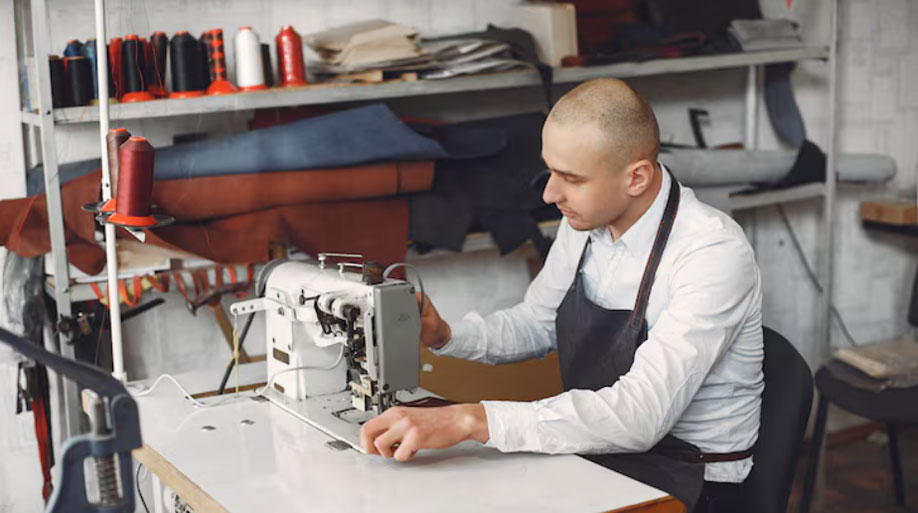
– MOQ: Smaller brands may need to balance the cost of tooling and setup with available inventory space; many factories offer tiered pricing, with MOQs often ranging from a few hundred to a few thousand units depending on complexity.
– Lead times: Prototype to production can take 8–16 weeks depending on approvals and capacity.
– Tooling and pre-production costs: Molds for wheels or molded patches, embroidery digitizing, and pattern-making incur one-time fees.
– Shipping: Bulk vs. direct-to-store fulfillment affects landed cost; consolidated ocean freight is cost-effective but slower than air.
Retailers should build in buffer time for quality checks and potential pre-shipment inspections to mitigate risks.
Quality Control and Compliance
Consistent quality underpins retail reputation. Implementing QC checkpoints—pre-production samples, in-line inspections, and final random inspections—ensures the product meets specifications. Important compliance and testing areas include:
– Material safety: Ensure fabrics and coatings comply with regional chemical regulations (e.g., REACH in EU, CA Prop 65 in California).
– Durability tests: Zipper cycles, seam tensile testing, and wheel load tests.
– Labeling and documentation: Care labels, country-of-origin, and any warranty information.
Working with an OEM that supports third-party testing and provides inspection reports simplifies risk management.
Marketing and Merchandising Strategies for Retailers and Pro Shops
Launching a custom travel bag requires coordinated merchandising. Consider tiered product lines—entry-level, mid-range, and premium—so customers can choose based on price and features. Merchandising tactics:
– In-store displays: Use a demo bag filled with clubs to show fit and protection features.
– Bundling: Offer travel bag + headcovers or + luggage tags as limited-time bundles.
– Seasonal promotions: Align launches with travel seasons, spring tournaments, and holiday gift periods.
– Digital presence: High-quality product photography, 360° videos, and product specs increase buyer confidence online.
Training pro shop staff on product features and use cases (airport tips, packing guidance) enhances perceived value and conversion.
Case Examples: Tailoring Solutions by Customer Segment
– Club Pro Shops: Emphasize premium materials, reinforcement, and exclusive colorways to reflect club image. Offer limited editions for club members.
– Regional Retail Chains: Focus on cost-effective, durable options with broad appeal; offer a staple SKU with a few seasonal colors.
– Boutique Golf Retailers: Provide small-batch, higher-margin luxury variants with bespoke trims, packaging, and co-branded accessories.
Providing clear differentiation in features and price makes it easier for retailers to match the product to shopper profiles.
Analysis Table: Comparing Typical OEM Soft Travel Bag Options
| Feature | Benefits | Material Options | Typical Cost Range (per unit) | Suitability (Retail / Pro Shop) |
|---|---|---|---|---|
| Padded Internal Divider & Head Protection | Protects clubheads and shafts during transit | EVA foam, PE board, reinforced nylon | $15 – $35 | High for both |
| Heavy-duty Exterior Fabric | Improved abrasion resistance, premium feel | 600D Polyester, 1680D Nylon, TPU-coated fabrics | $8 – $25 | Retail: mid-high; Pro Shop: high |
| Wheels & Reinforced Base | Ease of transport, durability on tarmac | PU wheels, molded wheel housings, reinforced base plate | $12 – $40 | Essential for traveling pros; optional for casual retail |
| Branding & Trim | Visual differentiation and perceived value | Embroidery, silicone patches, heat transfer | $1 – $10 | Both (depends on finish) |
| Accessory Compartments | Organization for shoes, apparel, accessories | Zippered pockets, mesh vents, removable pouches | $3 – $12 | Highly valued in retail; pro shops may request premium layouts |
Selecting the Right OEM Partner
Choosing an OEM requires diligence. Key selection criteria:
– Experience: Look for suppliers with a proven track record in golf or sports travel gear.

– Technical capability: Pattern-making, prototyping, and in-house testing capabilities speed development.
– Communication: Clear project management, sample timelines, and responsiveness are critical.
– Flexibility: Ability to accommodate small runs, custom trims, and iterative design changes.
– Ethical manufacturing: Transparent labor practices and environmental standards align with modern shopper values.
Proactive sample evaluation—requesting functional prototypes and conducting user trials with staff or members—reduces the risk of costly recalls or poor sales.
Making OEM Soft Golf Travel Bags Work for Your Business
Custom OEM soft golf travel bags are a strategic product for retail brands and pro shops that want to stand out in a crowded market. By focusing on customer needs—protection, convenience, and brand expression—and partnering with an OEM that offers materials expertise, flexible production, and robust quality control, retailers can offer compelling products with strong margins. Thoughtful merchandising, tiered SKUs, and attention to regulatory compliance will help ensure that a custom travel bag launch becomes a long-term revenue contributor and a point of pride for both the retailer and the golfer.