

The modern golfer’s lifestyle often includes air travel, city-to-city transfers, and weekend getaways — all of which make the choice of a travel bag as important as the clubs themselves. Over the past decade, soft golf travel bags have evolved from simple zippered sacks into sophisticated, lightweight systems that pair portability with robust protection. Advances in materials, internal bracing, and reinforced protection systems mean golfers no longer have to choose between convenience and safeguarding their equipment.
Advanced Lightweight Soft golf travel bags with Reinforced Protection Systems
Design and Materials: The Foundation of Protection
The effectiveness of a soft golf travel bag hinges on the materials and foundational design choices. Modern high-performance fabrics like 1680D ballistic nylon and heavy-duty Cordura offer a resilient outer layer that resists abrasion, tears, and punctures while remaining comparatively light. These textiles are often laminated or coated with TPU (thermoplastic polyurethane) or PVC for water resistance and easy cleaning.
Beneath the outer shell, protection is achieved through engineered layers: closed-cell foam, honeycomb foam, or molded EVA panels that absorb and distribute impact energy. Key reinforcements include a padded full-length spine to protect the clubs’ shafts, an internal head cup to stabilize club heads, and a reinforced base plate (often molded plastic or composite) that resists crushing when bags are stacked or dragged. Advanced designs also employ composite stays — carbon fiber or fiberglass rods — to keep the bag’s shape and prevent severe bending under load.
Zippers and fasteners are another vital material consideration. Heavy-duty, water-resistant zippers with flap coverings reduce the risk of moisture ingress and accidental snags. Pull tabs, reinforced stitching, and bar-tacked stress points at handles and straps all contribute to durability under the repeated stresses of travel.
Reinforced Protection Systems Explained
A reinforced protection system is more than thicker padding. It’s a strategic combination of structural elements engineered to neutralize common impact scenarios: compression, localized strikes, and twisting forces. Core components include:
– Head protection: Multi-layered head pockets with internal club dividers and a rigid or semi-rigid head cup prevent direct blows to clubheads and minimize shaft movement. Some designs incorporate molded foam or a removable rigid insert around the head area.
– Internal bracing: Full-length composite stays and internal webbing create a skeleton that distributes load evenly and resists crushing. This bracing is especially important when luggage handlers stack, toss, or press down on gear.
– Base reinforcement: A molded base plate or skid rail absorbs ground contact and prevents the bag’s bottom from collapsing or being punctured by cart wheels or rough surfaces.
– External frame support: Some premium soft bags include a lightweight external frame or chassis that locks the bag’s geometry while remaining collapsible for storage.
– Impact zones: Reinforced panels around high-risk areas — such as the heel and toe of club heads, zipper lines, and handle mounts — offer targeted protection where damage is most likely to occur.
Together, these systems keep clubs secure, protect the shaft alignment, and reduce the chance of head damage, while preserving a low overall weight for easy handling.
Weight, Portability, and Practical Considerations
One of the main selling points of soft golf travel bags is their weight advantage over hard-shell cases. A well-engineered soft bag with reinforced protection can weigh between 6 to 12 pounds, depending on materials and features, versus 20+ pounds for some rigid cases. This translates to easier handling through airports, lower carry-on-like bulk for car trunks, and less strain on straps and handles.
Portability features to evaluate include:
– Wheels and wheel wells: In-line skate wheels or removable wheel systems add mobility without excessive weight. Durable wheel housings and recessed wheels help protect wheels from impact.
– Straps and handles: Multiple carry points — top, side, and bottom handles — plus a padded shoulder strap and backpack-style harness improve maneuverability.
– Compression straps and external pockets: These allow you to cinch the bag tight and carry shoes, clothing, or accessories without exposing clubs to external pressure.
However, remember that lighter weight can sometimes mean less absolute protection. The goal is to find a balanced design that maximizes protective reinforcement while minimizing bulk.
Comparison with Hard Shell Cases
Hard-shell cases provide obvious advantages in terms of crush protection and resistance to sharp impacts, but they have trade-offs:
– Weight: Rigid cases are heavier, increasing handling difficulty and possibly airline overweight charges.
– Storage: Soft bags often fold down or collapse for easier storage at home.
– Cost: High-quality hard cases can be more expensive than comparable soft bags with reinforced systems.
Reinforced soft bags bridge the gap by offering many protective benefits of hard shells — like structured internal bracing and padded head protection — while retaining transport and storage advantages. For most recreational and competitive amateurs, a top-tier reinforced soft bag delivers ample protection for club sets when combined with careful packing practices.
Airlines, Regulations, and Real-World Handling
Travel logistics influence bag choice. Airlines vary in their handling practices; some gate-check bags are tossed, stacked, and loaded with little regard, whereas premium carriers may take more care. Key considerations:
– Size and weight limits: Ensure the packed bag meets carrier dimensions and weight policies. Use lightweight protection to avoid exceeding limits.
– Oversized fees: A bag with wheels or a wide base can trigger oversize fees on some regional carriers.
– Security: While TSA focuses on contents, having a lockable zipper and a TSA-approved lock can deter tampering.
– Labeling: Use clear external labeling, a robust ID pocket, and internal contact information in case of mishandling.
Ultimately, even the best bag can be compromised by extreme handling; practice smart packing (club head covers, internal restraints) to mitigate risk.
Packing and Maintenance Tips for Long-Term Protection
Careful packing extends the lifespan of both clubs and bag. Recommended steps:
– Use padded club headcovers for woods and putter; secure irons together in a divider to prevent collision.
– Orient clubs with heads toward the reinforced head cup and ensure shafts are nestled within the full-length spine padding.
– Use internal straps or webbing to immobilize the set. Some bags have lockable internal straps that prevent pivoting inside the bag.
– Distribute weight evenly and avoid overstuffing external pockets that apply pressure to club heads.
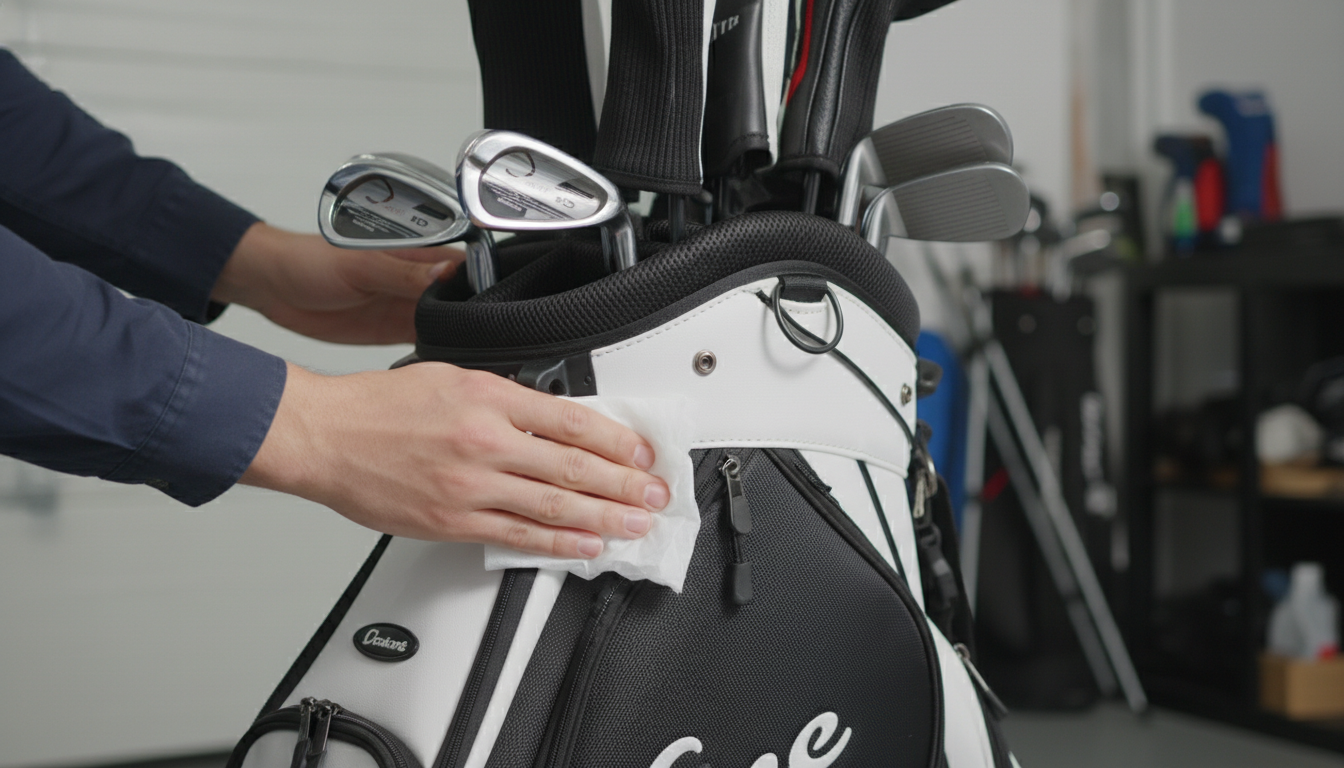
– Clean the bag after travel: wipe down fabrics, remove debris from wheels, and dry any moisture to prevent mold.
– Store the bag collapsed or hung in a dry place. Inspect composite stays and reinforcements periodically for cracks or delamination.
Feature Checklist: What to Look For
When selecting an advanced lightweight soft golf travel bag with reinforced protection, look for:
– Ballistic nylon or Cordura with TPU coating
– Multi-layered head protection and full-length spine padding
– Composite stays (carbon/fiberglass) or a molded chassis
– Reinforced base plate and skid rails
– Durable, water-resistant zippers with protective flaps
– Removable or recessed wheel system
– Multiple carry points and load-compression straps
– External pockets for accessories and shoe compartment
– TSA-compatible locks and visible luggage ID
These features collectively ensure that the bag performs in both protection and convenience.
Analysis Table: Comparison of Representative Soft Travel Bags
| Model | Approx. Weight (lbs) | Main Material | Protection Features | Best For |
|---|---|---|---|---|
| TourLite Pro 6 | 8.5 | 1680D Ballistic Nylon + TPU | Full-length composite stays, molded head cup, reinforced base plate | Frequent flyers seeking lightweight protection |
| SkyRoll Compact | 6.8 | Ripstop Cordura | Honeycomb foam panels, recessed wheels, internal webbing straps | Weekend travelers and compact storage needs |
| ShieldFlex Ultra | 10.2 | EVA-molded inserts + Cordura | Molded EVA reinforcement, double layer head guard, composite frame | Tour players requiring near-hardcase protection |
| Traveler CarbonGuard | 9.0 | Carbon composite stays + 1200D Nylon | Carbon fiber spine, skid rails, integrated shoulder harness | Golfers prioritizing stiffness and low weight |
| EcoLite SoftShell | 7.2 | Recycled TPU-laminated nylon | Reinforced head panel, removable wheelset, water-resistant zippers | Eco-conscious travelers and casual users |

Choosing the Right Bag: Matching Needs to Design
Choosing the right soft travel bag depends on travel frequency, transportation modes, and tolerance for weight versus protection. Frequent international travelers who check clubs weekly should invest in reinforced systems with composite stays and molded head protection. Casual travelers who fly occasionally may prioritize lighter options with basic reinforced zones and removable wheels.
Budget also matters. Mid-range reinforced soft bags provide excellent protection for most scenarios, while premium models with carbon components and molded EVA shells push closer to hard-case protection — at a higher cost but with significantly improved durability and club security.
Advanced lightweight soft golf travel bags with reinforced protection systems have transformed how golfers protect their equipment on the move. By integrating modern textiles, engineered padding, composite bracing, and smart mobility features, these bags deliver a compelling balance of portability and protection. Understanding the interplay of materials, structural reinforcements, and real-world handling considerations empowers golfers to select a travel bag that minimizes risk without sacrificing convenience. Whether you choose a minimalist, ultra-light design or a heavily reinforced soft shell, informed choices and disciplined packing practices will ensure your clubs arrive ready to perform.