
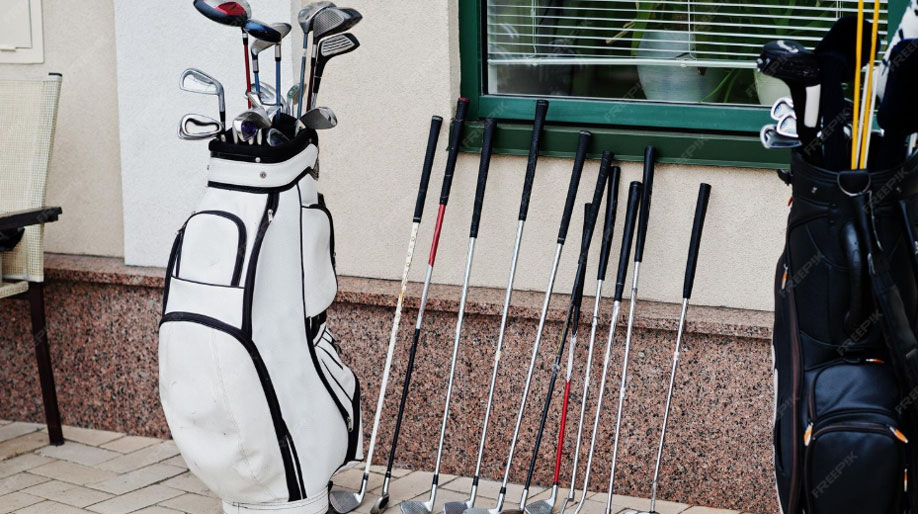
When golfers and retailers search for bags that combine reliable construction, tasteful design, and genuine value, the conversation increasingly turns to manufacturers that can deliver consistent quality at accessible price points. LongZhao golf bag Factory has emerged in industry circles as a name associated with thoughtfully engineered, affordably stitched golf bags. This article dives deep into what makes their affordable stitch bags competitive — from materials and stitch techniques to factory processes, customization options, and market considerations. We’ll analyze the technical choices that balance cost and durability, and provide a practical comparison table to help buyers, distributors, and retailers evaluate offerings quickly.
Affordable Stitch Golf Bags From Longzhao Golf Bag Factory
Context and Market Need
The modern golf market is bifurcated between premium, high-priced bags that emphasize exotic materials and boutique craftsmanship, and mass-market products that prize low price above all else. Between these extremes lies a broad and growing middle: golfers who want a dependable bag with clean construction and smart features, but without the heavy premium. Affordable stitch golf bags target this segment by using efficient manufacturing techniques and smart material selection to retain structural integrity and aesthetic appeal while keeping costs under control.
Longzhao Golf Bag Factory positions itself to serve this segment by focusing on design scalability, stitch optimization, and quality control protocols that ensure each bag meets functional expectations without unnecessary cost drivers. Understanding how these elements come together provides insight into why some “affordable” bags can actually represent strong long-term value for both end users and retail partners.
Design Philosophy: Function Over Flash
At the core of affordable stitch bag design is a focus on essentials: protective club dividers, reinforced base and top rims, intelligently placed zippered pockets, and a comfortable carry system. Longzhao’s approach tends to favor minimal but purposeful detailing that enhances usability and perceived value. Rather than piling on complicated trims or expensive hardware, the factory optimizes layout, pocket access, and weight distribution so the bag performs well on the course.
Design teams working with Longzhao typically use a modular mindset: pockets and features are standardized into a set of configurable modules that allow customization without extensive retooling. This modular system reduces tooling cost, simplifies quality checking, and compresses production timelines — all of which feed into a lower final price for the customer.
Materials: Balancing Cost, Weight, and Durability
Material selection directly influences price and lifetime performance. Longzhao tends to favor medium-weight denier nylons and high-density polyester fabrics in the 600D–1680D range for their stitch-based affordable line. These materials provide a good balance of resistance to abrasion, UV degradation, and water exposure when paired with proper coatings.
Key material choices include:- Exterior fabric: 600D–900D polyester/nylon with PU coating for water resistance.- Lining: Lightweight polyester to protect interior seams and reduce weight.- Reinforcements: EVA foam or polyethylene sheets in key areas (base, top ring).- Hardware: Zinc alloy or ABS plastic for buckles and zippers to balance cost and reliability.
The factory often applies additional cost-effective treatments, such as heat-sealed seams in non-critical areas and targeted PU lamination to improve water resistance without the expense of fully waterproofing the entire bag. The result is a bag that resists everyday exposure on the course but does not command the premium of high-end waterproof systems.
Stitching Technology and Techniques
“Affordable stitch” does not mean “cheap stitch.” Longzhao deploys refined stitching techniques designed to maximize seam strength while minimizing labor and material waste. The factory uses a combination of:- Lockstitch for visible seams and areas where aesthetics matter.- Overlock/serger stitches for raw-edge finishes where hidden seams require neat closure.- Bar-tack reinforcement at stress points (strap attachments, pocket ends).- Double-stitching on joint lines subject to frequent movement.
In addition to stitch type, Longzhao optimizes needle size, thread selection (commonly high-tenacity polyester or bonded nylon), and stitch density. The factory typically adopts a stitch density in the range of 8–11 stitches per inch for main seams — a compromise between strength and production efficiency. For high-stress areas, stitch densities can be increased and complemented with adhesive bonding or backing tapes to prevent seam separation under load.

Manufacturing Processes and Quality Control
Process consistency is a crucial driver of affordability: fewer defects reduce rework, which lowers unit cost. Longzhao emphasizes standardized work instructions, jigs and fixtures for frequently produced patterns, and in-line inspection checkpoints. The production line typically includes:- Cutting and material preparation using CNC cutters or laser-guided cutters for repeatability.- Sub-assembly of pocket units and dividers.- Main assembly with trained sewing operators focused on specific stations.- Final assembly with base and top ring integration.- Quality control checks including seam pull tests, dimensional verification, and visual inspections for fabric flaws.
QC is often implemented at multiple stages — incoming materials, in-process, and final goods — to catch issues early. For partners ordering large runs, Longzhao can provide third-party inspection reports and sample pre-production approvals to align expectations and reduce sampling errors during full runs.
Customization Options and OEM/ODM Services
A key strength of a factory like Longzhao is the ability to offer both OEM (original equipment manufacturing) and ODM (original design manufacturing) services. For retailers and brands looking to private label a cost-effective stitch bag, typical customization choices include:- Colorways and fabric finishes.- Pocket configurations and internal divider layouts.- Logo embroidery or woven labels.- Branded zipper pulls and strap webbing.- Minor hardware upgrades (e.g., metal buckles instead of plastic).
Because the underlying construction modules are standardized, many of these customizations do not require major tooling changes. That keeps minimum order quantities reasonable and reduces per-unit incremental cost for custom features. Longzhao can also assist with design suggestions that maintain structural integrity while achieving a desired aesthetic, providing tech packs and pre-production samples for client approval.
Affordability Drivers: Where Savings Are Sourced
Affordability does not just come from picking cheaper fabrics. Longzhao’s cost advantages are derived from an integrated set of efficiencies:- Economies of scale in material purchasing and repeated production runs.- Modular design that reduces bespoke labor and time-per-unit.- Training and specialization on sewing lines to improve throughput and decrease error rates.- Streamlined logistics and established supplier relationships for hardware and trims.
Additionally, by standardizing certain components (zips, buckles, hand grips), the factory reduces complexity in inventory management and accelerates production flows. Those savings are reflected in a competitive FOB pricing structure for wholesale buyers.
Sustainability Considerations
Even affordable product lines are increasingly evaluated on sustainability metrics. Longzhao has responded by incorporating options such as recycled polyester for exterior fabrics and water-based PU coatings to reduce VOC emissions. While fully sustainable materials and processes can add cost, Longzhao can balance this by offering a range of eco-friendly upgrades as optional add-ons — for example, a recycled 600D exterior at a modest premium or recycled stuffing materials for padding.
Traceability of supply chains is another emerging consideration. The factory has the capability to document material origins and certifications when customers request it, which can support brand claims and meet retailer sustainability requirements without universally inflating base costs.
Durability Analysis: Stitch, Stress, and Lifetime Use
Durability hinges on both materials and construction details. The stitching techniques used by Longzhao, combined with appropriate backing materials and reinforcement tapes, create seam systems that withstand repeated load cycles typical in golf use (e.g., bag being carried, clipped to carts, clubs inserted and removed). Common failure modes such as seam splitting at strap anchors are mitigated through bar-tacking and backing plates.
Garment-style testing methods — tensile load tests on strap attachments, abrasion testing on high-wear panels, and water-spray tests on seams — are applied selectively to validate performance claims. For the affordable stitch segment, the target is a service life that matches or exceeds average user replacement cycles (often 3–5 years), making the product a cost-effective choice for the majority of consumers.
Comparative Analysis Table
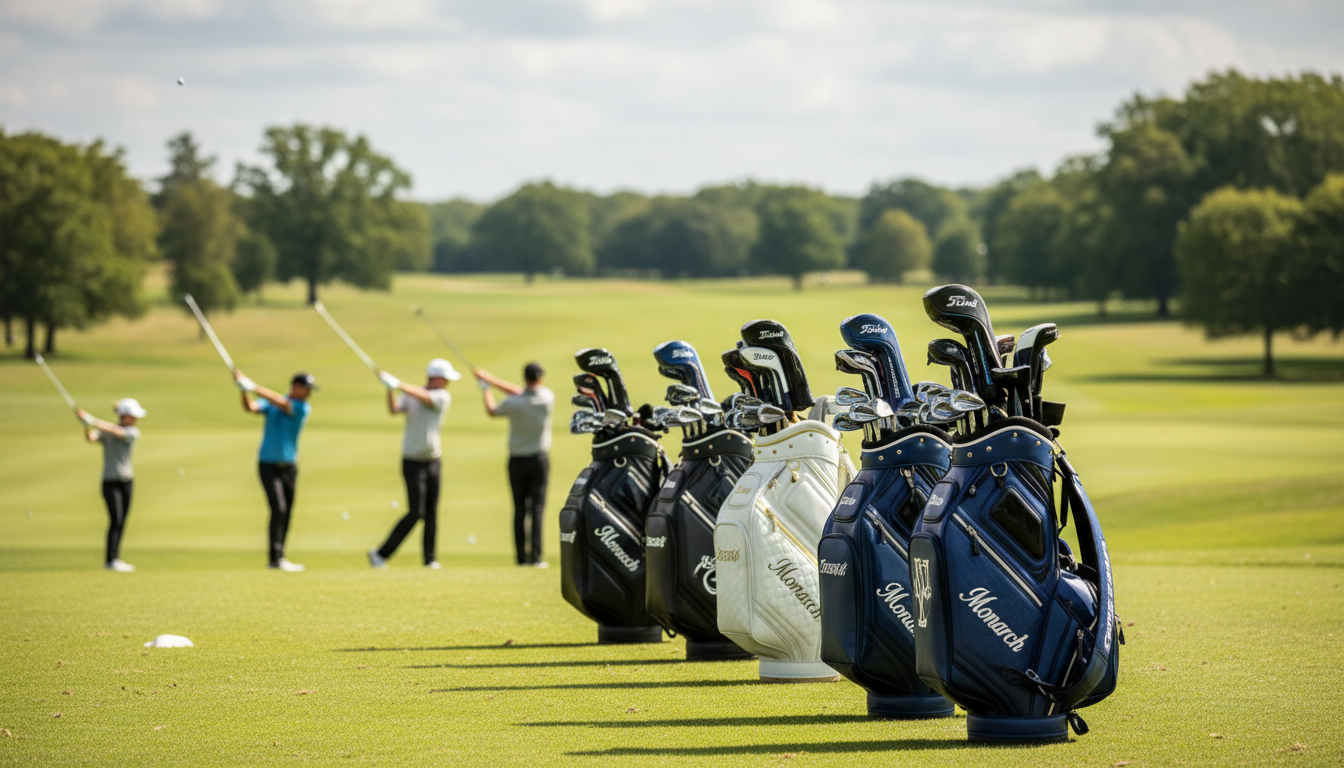
Below is a comparative analysis table that highlights typical attributes across several representative models in the affordable stitch range from Longzhao. The table uses five columns to show model, material, stitch type/reinforcement, price range (FOB, indicative), and durability rating (1–5 scale, 5 highest).
| Model | Material | Stitch Type & Reinforcement | Indicative Price Range (FOB) | Durability Rating |
|---|---|---|---|---|
| Classic Carry 600 | 600D Polyester w/ PU coating | 8–10 SPI lockstitch; bar-tack strap anchors | $18 – $28 | 3.5 |
| TourLite 900 | 900D Nylon; EVA base reinforcement | 10 SPI lockstitch; double-stitched pocket seams; taped internal seams | $28 – $40 | 4.0 |
| ProDivider 1200 | 1200D high-density polyester | 10–12 SPI; bar-tack plus backing plates at high stress | $38 – $55 | 4.3 |
| EcoEdge 600R | 600D Recycled Polyester | 8–10 SPI; reinforced strap webbing | $22 – $32 | 3.7 |
| BagCart Hybrid | Mixed Densities: 600D + 1680D accents | 10 SPI; taped bottoms; reinforced top ring | $45 – $65 | 4.5 |
Interpreting the Table: What Buyers Should Focus On
Price alone doesn’t tell the whole story. Evaluate the combination of material denier, stitch density, and reinforcement strategy. For example, a 600D polyester bag with excellent reinforcement techniques can outperform a poorly constructed 900D bag. The durability rating is an aggregate measure combining material abrasion resistance, stitch system strength, hardware quality, and expected real-world wear patterns.
Lead Times, MOQ, and Logistics
Factory lead times are a practical concern. Longzhao typically operates on standardized MOQs that are lower for modular designs and higher for fully customized products. Indicative guidelines:- Stock models / minimal customization: MOQs as low as 100–300 units, lead time 30–50 days.- Customized colors or modest design changes: MOQs 300–1000 units, lead time 45–70 days.- Full ODM solutions with new tooling: MOQs 1000+ units, lead time 60–90+ days.
These ranges vary with global shipping conditions and material availability. Longzhao’s established logistics relationships can help streamline exports by consolidating shipments and providing FOB, CFR, or CIF pricing options depending on the buyer’s preferred terms. Retailers should plan orders well ahead of seasonal peaks to avoid stockouts and elevated freight costs.
Cost-Benefit for Retailers and Private Labels
For retailers and brands, the economics are straightforward: affordable stitch bags allow attractive margin structures while offering shoppers a product that performs reliably. Private label buyers can leverage Longzhao’s OEM capabilities to create differentiated SKUs without the high overhead of bespoke manufacturing. The result is predictable margins, quicker reorders due to modular designs, and an ability to test new colorways or limited editions at controlled cost.
Longzhao also supports smaller retailers by offering tiered pricing and flexible packaging solutions — for example, plain boxes for private labelers who wish to brand locally, or customized retail-ready packaging for larger chains.
After-Sales Support and Warranty
After-sales considerations are a frequent sticking point for lower-priced goods. Longzhao addresses this with defined warranty policies and a returns protocol for manufacturing defects. Typical warranties cover stitching failures and structural defects for a set period (commonly 12 months), with exclusions for normal wear, misuse, and environmental damage. For large accounts, the factory can negotiate extended warranty terms and provide spare part kits (zippers, buckles, straps) to help retailers offer local repairs.
Use Cases: Who Benefits Most?
Several buyer profiles find clear value in affordable stitch bags from Longzhao:- New golfers seeking a durable, low-risk entry product.- Golf clubs and academies buying multiple bags for lesson programs.- Promoters and events ordering branded, cost-effective giveaway bags.- Retail chains needing broad-appeal core SKUs at compelling price points.- International distributors looking for reliable OEM partners with reasonable minimums.
For serious golfers who prioritize luxury materials and couture detailing, premium options still win. But for the majority of play scenarios, an affordable stitch bag represents a pragmatic and cost-effective choice.
Risk Management and Common Pitfalls
To maximize success when sourcing affordable stitch bags, buyers should attend to a few common pitfalls:- Over-customization: excessive bespoke changes drive up costs and lead times.- Ignoring reinforcement: savings on initial units can produce returns and complaints if attachment points are under-engineered.
– Skipping pre-production approval: without a sample sign-off, finished goods can deviate from expectations.- Underestimating seasonal demand: failing to forecast properly can cause stockouts during key selling windows.
Working closely with Longzhao during the design and sampling stages mitigates these risks. The factory’s experience with modular designs and production planning helps buyers steer clear of costly missteps.
How to Evaluate Longzhao as a Supplier
When vetting a supplier like Longzhao, focus on:- Sample quality: request a pre-production sample and test the seams, straps, and hardware thoroughly.- Factory transparency: confirm QC checkpoints and request inspection reports.- Communication responsiveness: timely dialogue reduces misunderstandings during production.- Scalability: assess whether MOQs and lead times align with your business model.- Compliance and certifications: inquire about material certifications and labor practice transparency if your markets require them.
A structured RFP that includes desired specs, expected sales volumes, and timeline expectations will simplify evaluation. If possible, a small pilot order can validate projections before committing to larger runs.
The Value Proposition of Affordable Stitch Bags
Affordable stitch golf bags from Longzhao Golf Bag Factory present a compelling balance of cost, performance, and customization flexibility. By prioritizing efficient stitching techniques, smart material selection, and modular design, the factory delivers products that meet the practical needs of everyday golfers and commercial buyers without excess cost burden. For retailers and private labelers, the ability to scale, customize selectively, and retain predictable quality makes these bags an attractive core offering.
Ultimately, value in this category is determined not just by the sticker price but by the lifetime utility of the bag, the reliability of construction, and the supplier relationship that underpins product consistency. For many buyers, Longzhao’s approach — blending affordable construction with thoughtful engineering and robust factory practices — makes it a pragmatic choice when the goal is a durable, well-built golf bag at an accessible price point.