
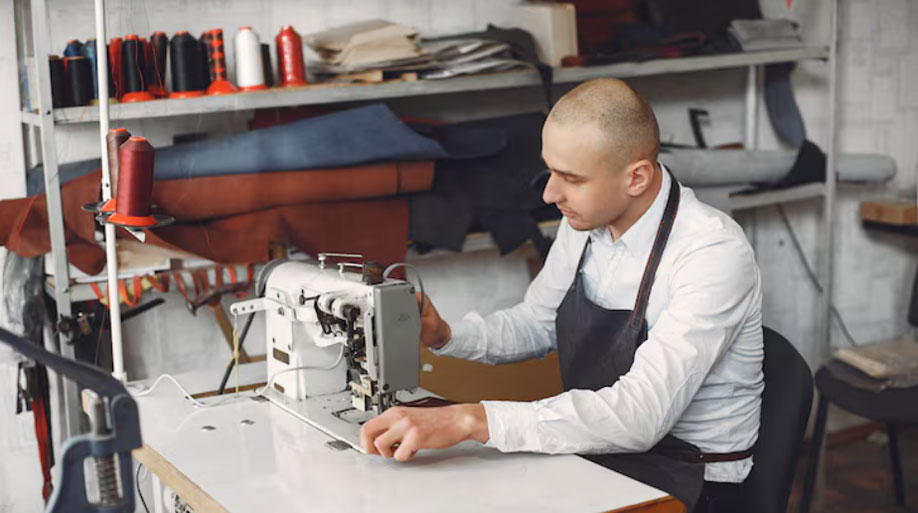
Golfers, retailers, and clubs looking for high-quality, purpose-built cart golf bags increasingly seek both customization and consistency. Custom cart golf bags blend functional design optimized for riding greens with branding and material choices that reflect a player’s identity or a retailer’s positioning. When evaluating manufacturers, LongZhao Golf Bag Factory has emerged in many sourcing conversations as a supplier that balances factory-level manufacturing capabilities with flexible customization services. This article provides a thorough, professional exploration of custom cart golf bags offered from Longzhao Golf Bag Factory, addressing design principles, materials, production workflows, quality assurance, logistics, sustainability, and best practices for retailers and brands placing custom orders.
Custom Cart Golf Bags From Longzhao Golf Bag Factory
Why Choose a Cart Golf Bag—and Why Customize?
Cart golf bags are engineered for stability and accessibility when used on golf carts or push carts. Compared to staff or stand bags, they prioritize pocket layout, low-profile bases, and robust strap or handle systems that mate with cart fittings. Customization elevates a standard cart bag into a tailored product that meets marketing needs, team identity, sponsorship visibility, or premium personalization for discerning golfers.
Customization is not only aesthetic. Brands and clubs can influence functionality by specifying pocket counts, insulated beverage pockets, reinforced organizer panels, club dividers, and weather protection. A custom cart bag can be a tool for differentiation in crowded retail channels or an exclusive item for corporate gifting, tournament prizes, or pro shop merchandise.
Longzhao Golf Bag Factory at a Glance
Longzhao Golf Bag Factory positions itself as a factory capable of OEM and ODM production with a focus on golf bags, including cart-specific designs. Their strengths typically include in-house pattern making, a range of material sourcing options (e.g., PU leather, nylon, polyester, and weatherproof laminates), and the ability to incorporate branding elements such as embroidered logos, heat transfers, custom zippers, and metal hardware.
For brands and private label customers, Longzhao commonly offers flexible minimum order quantities (MOQs), tiered pricing structures, and production lead times designed to accommodate both seasonal retail cycles and targeted tournament launches. The factory’s capabilities also extend to small-batch prototyping and iterative sampling—critical for fine-tuning fit, pocket layout, and features prior to full production.
Key Design Elements of Custom Cart Golf Bags
Several design elements separate a functional cart bag from a successful custom product. These elements are core discussion points when working with Longzhao during specification and sample stages:
– Top cuff and divider system: Full-length 14-way dividers versus 4-6 way systems; molded or foam-padded collars to ease club retrieval and protect shafts.
– Pocket architecture: Dedicated valuables pocket with fleece lining, apparel pouch, rangefinder pocket, insulated cooler, and umbrella sleeve orientation that aligns with cart use.
– Base design: Low, flat bases compatible with cart bracket systems, often reinforced with injected plastic or hardwearing TPU to resist wear.
– Material and finish: Choices impact weight, perceived value, and weather resistance—Longzhao typically sources a variety of textiles and can apply waterproof laminates or seam sealing on request.
– Carry interfaces: Handle placements and cart-attachment straps; integrated hook-and-loop or clip systems to lock the bag on the cart securely.
Materials and Construction: Balancing Weight, Durability, and Cost
Material selection is a strategic tradeoff. Lightweight fabrics reduce overall bag weight but must still withstand abrasion and UV exposure. Longzhao works with multiple material categories:
– Polyester (600D–1680D): Cost-effective with good abrasion resistance; suitable for most retail-level cart bags.
– Nylon (Cordura variants): Higher abrasion resistance and a premium feel; often used in mid-range to premium bags.
– Synthetic leather (PU) and thermoplastic overlays: Provide a luxury look and targeted reinforcement in high-wear areas like pockets and base panels.
– Waterproof laminates and seam sealing: Essential for bags marketed as weatherproof. Longzhao can implement laminated fabrics and sealed zippers where required.
Construction techniques are equally important. Reinforced stitching, bartacks at stress points, double-lined pockets, and injected molded bases extend product lifespan. Longzhao’s standard production includes these reinforcements, with optional upgrades such as bonded seams and premium hardware for customers targeting higher price tiers.
Customization Options Offered by Longzhao
Customization from Longzhao spans visual branding to structural modifications. Typical options include:
– Logos: Embroidery, PVC patches, rubber patches, heat transfers, and woven labels.
– Colorways and patterns: Full-surface dye-sublimation or multi-panel color blocking to match brand palettes.
– Hardware: Branded zippers, metal clips, rivets, and custom-molded plastic parts.
– Pocket configurations: Change or add pockets to meet the needs of a specific player demographic (e.g., more insulated pockets for warm-climate courses).
– Special features: Lockable pockets, integrated GPS/rangefinder mounts, padded apparel sleeves, or quick-access scorecard holders.
Manufacturing Workflow: From Concept to Delivery
Understanding the typical manufacturing workflow at Longzhao helps buyers plan timelines and budgets. A representative workflow includes:
1) Initial inquiry and specification: The buyer provides desired dimensions, materials, logo files, and sample references. Longzhao issues a costing sheet that outlines MOQs, unit price by quantity, estimated lead time, and sample fees.
2) Technical pack and sample development: Longzhao produces a tech pack and creates a prototype or pre-production sample for approval. This stage often includes multiple iterations to refine pocket placements, zippers, and top cuff tolerances.
3) Pre-production sign-off: Buyers approve materials, color swatches, and the final sample. At this point, deposit payments are typically required.
4) Mass production: The factory schedules production, procures materials (including any branded trims), and begins assembly with quality checkpoints during mid-production.
5) Final inspection and packing: Longzhao conducts AQL inspections or third-party inspections upon request. Bags are packed for shipment according to buyer specifications (individual polybags, corrugated cartons, custom boxes, etc.).
6) Shipping and after-sales support: The factory arranges freight (FOB, CIF, DDP, depending on contract) and can support warranty claims or replacement parts when necessary.
Quality Control and Testing Protocols
Longzhao’s reliability as a supplier is largely determined by its quality control processes. Robust QC reduces returns and builds trust. Key QC elements include:
– Incoming material inspection: Checking denier, color fastness, PU coating thickness, and hardware finish.
– In-line quality checks: Supervisors verify stitching density, seam straightness, and pocket alignment during assembly stages.
– Final inspection (AQL): Conducted against agreed criteria—common checks include zipper operation, divider integrity, base strength, and cosmetic defects.
– Functional tests: Where required, Longzhao can conduct water-resistance tests, strap pull tests, and abrasion tests to validate performance claims.
Lead Times, MOQs, and Cost Considerations
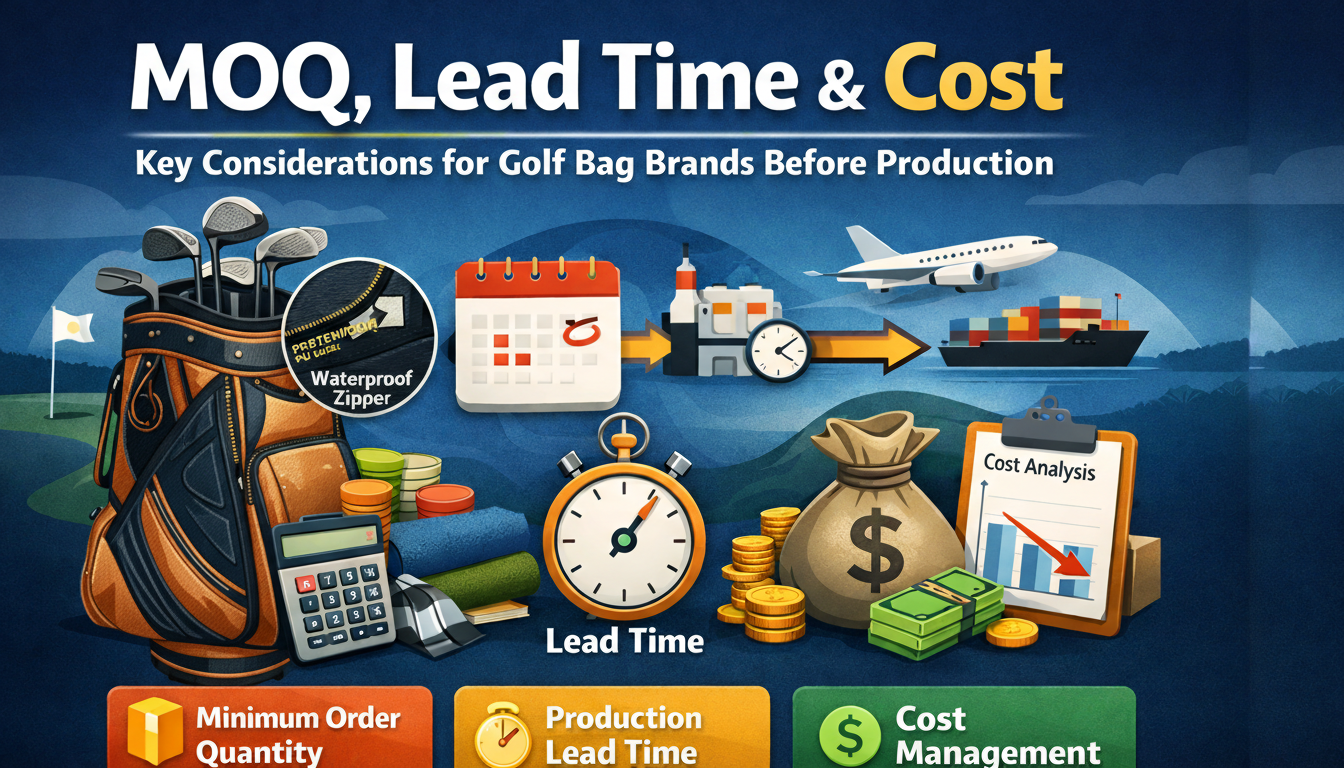
Common buyer questions concern lead times, minimum order quantities (MOQs), and pricing. While specifics depend on the product complexity and current factory schedule, typical ranges are:
– Prototype/sample: 7–21 days depending on complexity and trim sourcing needs.
– Mass production lead time: 30–70 days after sample approval, influenced by order size, customization complexity, and raw material availability.
– MOQs: Longzhao often offers tiered MOQs—smaller quantities for simpler customization (e.g., 100–300 units) and higher MOQs for complex or fully branded runs (500+ units).
– Pricing drivers: Material grade, number of compartments, hardware quality, and branding methods (embroidery vs. custom-molded patches) are primary cost drivers. Bulk order discounts typically apply.
Logistics and Fulfillment: Getting Bags to Market
Efficient logistics are essential to minimize stockouts and meet seasonal demand peaks. Longzhao can quote FOB pricing from common Chinese ports and coordinate with freight forwarders for sea, air, or rail freight. For retailers and brands seeking turnkey solutions, Longzhao can support DDP shipments to select markets, arrange consolidated shipments, and prepare documentation for customs clearance.
Packaging options are an often-overlooked branding opportunity. Custom shipping cartons, branded dust bags, and hangtags can reinforce perceived value. These add-ons are typically quoted separately and require lead times for print and material procurement.
Sustainability and Responsible Manufacturing

Environmental considerations are increasingly important. Longzhao and similar factories can adopt measures to improve sustainability:
– Material choices: Recycled polyester or nylon options reduce virgin resin use.
– Water-based coatings and lower-VOC adhesives: Minimize harmful emissions in processing.
– Waste reduction: Optimized cutting patterns to minimize textile waste and recycling programs for offcuts.
– Social compliance: Adherence to labor standards and independent audits (BSCI, Sedex) provide buyers with assurance about ethical manufacturing.
Buyers should request specific sustainability certifications or audit reports during negotiation if these factors are a priority for their brand or customers.
Case Studies: Custom Cart Bags That Deliver
Examining hypothetical but realistic scenarios helps illuminate how Longzhao supports different buyer objectives:
– Retail Brand Launch: A mid-tier retail brand wanted a private-label cart bag with a premium look but competitive pricing. Longzhao recommended a 600D polyester body with PU accents, a 14-way divider top, and heat-transferred logos to maintain a high-quality appearance without the cost of full embroidery. The resulting product met target retail pricing and performed well in seasonal sales.
– Corporate Tournament Series: An event organizer required 250 custom bags featuring embroidered logos and insulated cooler pockets. Longzhao provided prototype approvals within two rounds and delivered on schedule for event distribution, including custom packaging for direct shipment to the event venue.
– Pro Shop Exclusive: A club wanted a small-batch premium tour-style cart bag for limited resale. Longzhao produced a 100-unit run with bonded seam construction, Cordura fabric, and custom-molded zipper pulls. The exclusive product boosted pro shop margins and member satisfaction.
Comparison Analysis Table: Cart Bag Variants and Tradeoffs
| Model Type | Material/Build | Custom Options | Primary Benefits | Ideal Customer |
|---|---|---|---|---|
| Standard Retail Cart Bag | 600D polyester, injected base | Embroidery, color blocking, standard pockets | Cost-effective, durable, quick to market | Big-box retailers, entry-level golfers |
| Lightweight Cart Bag | 420D nylon, minimalist padding | Limited pockets, heat transfer logos | Lighter carry weight, lower shipping costs | Walking/casual golfers seeking mobility |
| Premium Cart Bag | Cordura/PU accents, reinforced dividers | Custom hardware, full embroidery, bonded seams | High perceived value, long-lasting | High-end pro shops, boutique brands |
| Weatherproof Cart Bag | Waterproof laminate, sealed zippers | Seam sealing, waterproof zippers, insulated pockets | Superior protection in wet climates | Golf courses in rainy regions, tour players |
| Tour/Custom Fit Bag | Hybrid materials, heavy-duty hardware | Fully bespoke layout, molded logos, limited runs | Maximum functionality and exclusivity | Professional players, corporate gifting |
How to Work Effectively with Longzhao: A Buyer’s Checklist
To ensure a smooth experience and a product that meets expectations, buyers should prepare the following before initial contact:
– Clear design brief: Include reference images, color palettes (Pantone if possible), and sketches of desired pocket layouts and dimensions.
– Branding assets: Provide high-resolution logo files and specify preferred branding methods (embroidery, heat transfer, or patches).
– Target retail price and margin expectations: This helps the factory recommend materials and construction methods that fit price targets.
– Forecast quantities and timeline: Be transparent about order cadence—seasonal spikes or rolling replenishment affect MOQs and lead times.
– Quality and compliance requirements: Specify if you require third-party inspections, specific testing, or social compliance audits.
Common Pitfalls and How to Avoid Them
Even with an experienced factory partner, common pitfalls can delay or complicate orders. Here are frequent issues and solutions:
– Vague specifications: Ambiguity in design and materials leads to incorrect samples. Solution: Provide a detailed tech pack and clear approval process.
– Last-minute changes: Mid-production alterations can be costly. Solution: Lock down major design choices prior to mass production and clearly outline acceptable change windows.
– Underestimating lead times: Especially during peak seasons, factories may have extended schedules. Solution: Plan 8–12 weeks for production and add buffer time for shipping and customs.
– Ignoring testing needs: Claims such as “waterproof” or “tour-grade” require tests. Solution: Request documented test results and include testing requirements in the purchase order.

Pricing Strategy and Margin Management
Pricing a custom cart bag requires balancing production cost, perceived value, and channel margin. Key levers include:
– Material grade: Upgrading to Cordura or PU increases unit cost but supports higher retail pricing.
– Branding method: Embroidery looks premium but is more expensive than heat transfers at scale.
– Hardware choices: Custom-molded parts add upfront tooling costs but can become a unique selling proposition for larger runs.
Retailers should model scenarios with different per-unit costs and recommended retail prices to ensure healthy margins after distribution, marketing, and inventory expenses. Longzhao can often provide costing at multiple material and feature tiers to aid this analysis.
After-Sales Support and Warranties
Reliable after-sales support reduces returns and increases customer satisfaction. Longzhao typically handles warranty cases by investigating defects, providing replacement parts, or authorizing repair or replacement depending on the defect and agreed terms. Buyers should clarify warranty duration, defect thresholds, and the process for claims prior to finalizing contracts.
Marketing Custom Cart Bags: Positioning and Retail Strategies
For retailers and brands, successful marketing pivots on positioning and storytelling. Highlight the aspects buyers value most—materials, weather resistance, storage solutions, and brand heritage. Suggestions for go-to-market:
– Product photography and lifestyle imagery: Show the bag on a cart and in use to illustrate functionality.
– Spec sheets and comparison guides: Help consumers understand differences between bag models.
– Limited editions and collaborations: Create urgency and exclusivity with small-batch colorways or pro-shop exclusives.
– Bundles: Pair bags with accessories (towel, headcovers, rain hood) to increase average order value.
Technical Considerations: Sampling and Fit Tolerances
Precision matters for cart bags—dividers must align with clubs, pockets must close reliably, and bases must fit cart brackets. During the sampling phase, verify:
– Top cuff dimensions and divider spacing using actual clubs or standardized test shafts.
– Pocket zipper alignment and pull ergonomics.
– Base flatness and whether the bag sits upright on a cart bracket without leaning.
Longzhao typically supports multiple sample iterations and can accept buyer-supplied fittings for more complex cart systems to ensure compatibility.
Global Market Trends and Demand Drivers
Several market trends are shaping demand for custom cart golf bags:
– Growth in golf participation: New players and returning players increase demand for accessible, user-friendly equipment.
– Personalization: Consumers increasingly prefer products that reflect personal style or club affiliation.
– Sustainability: Demand for recycled or lower-impact materials is rising among progressive buyers.
– Experience economy: Golf tournaments and corporate outings increasingly use branded merchandise, driving demand for customizable, event-specific bags.
Final Recommendations for Buyers
When sourcing custom cart golf bags from Longzhao Golf Bag Factory, buyers should take a structured approach: define clear objectives, align design and budget early, allow time for iterative sampling, and build quality checks into both production and logistics. Prioritize communication and documentation—clear tech packs and written approvals reduce ambiguity and create accountability. Consider sustainability and after-sales support as part of long-term vendor selection criteria, not just initial price comparisons.
Custom cart golf bags from Longzhao Golf Bag Factory can be an effective way for brands, clubs, and retailers to deliver differentiated, functional, and market-ready products. By leveraging Longzhao’s pattern-making, material sourcing, and production expertise, buyers can bring targeted product assortments to market—from affordable retail lines to premium, limited-edition pro shop exclusives. Success comes from thoughtful specification, diligent sampling, and clear quality requirements. With the right planning and collaboration, a custom cart bag can become a valuable touchpoint for golfers and a profitable product line for brands and retailers.