
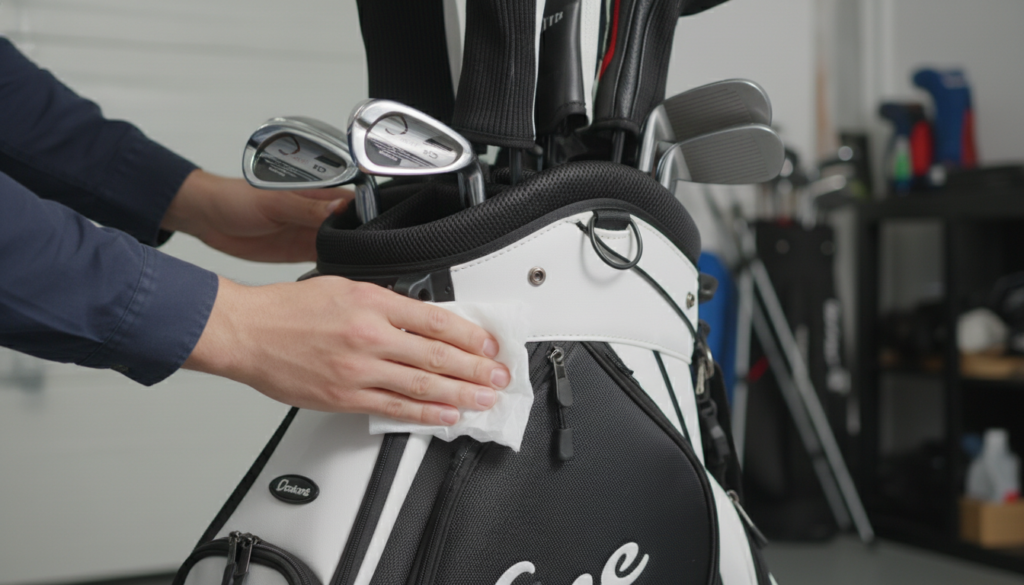
Longzhao Custom Golf Bag Factory has built a reputation among clubs, pro shops, and brand partners for delivering tailored golf bag solutions that meet exacting functional, aesthetic, and budgetary requirements. Customization is not simply about adding a logo or choosing a color — it’s an orchestrated process that blends material science, ergonomic design, manufacturing workflows, and brand storytelling. This article explains, in depth, the full range of customization options Longzhao offers, why each element matters, how it affects cost and lead time, and how buyers can make the right trade-offs to meet their goals. Throughout, practical recommendations, real-world considerations, and an analysis table guide decision-making for retailers, corporate clients, OEM partners, and custom-order golfers.
Understanding Customization: Beyond Surface Appearance
Customization can be categorized into functional, structural, aesthetic, and branding choices. Functional options change how a bag performs — protection, weather resistance, weight distribution, and organization. Structural choices determine the bag’s form factor — stand vs. cart vs. staff/classic, number and arrangement of dividers, pocket layout. Aesthetic choices include colorways, textures, and finishing details. Branding incorporates logos, embroidery, patches, heat transfers, and leather embossing.
Longzhao approaches customization with a consultative workflow: requirements gathering, materials selection, prototype/sample development, production scaling, and quality assurance. This keeps the process predictable and helps clients control costs, lead times, and final product quality.
Materials and Their Impact
Material selection underpins durability, weight, touch, and cost. Longzhao typically sources a broad range of materials and can work with client-supplied fabrics. The common materials include:
– Nylon (210D, 420D, 600D): Lightweight, economical, and commonly used for mid-range and entry-level bags. Good water resistance with coatings. Less premium texture.
– Polyester (300D–1000D): Cost-effective, colorfast, and available in many prints and textures. Slightly heavier than comparable nylon.
– Ballistic Nylon / Cordura (1000D): High abrasion resistance, premium perception. Common in higher-end staff and cart bags.
– PU Coated Textiles and PVC: Provide strong water resistance and can mimic leather for aesthetic effects.
– Genuine Leather / Split Leather: High-end, premium pricing, excellent aging patina. Typically used for trim, handles, and accents rather than whole bag bodies due to cost.
– Synthetic Leather (PU leather): Offers leather-like aesthetics at lower cost and with better weather resistance.
– Mesh and Neoprene: Used for pockets or internal padding; adds breathability or cushioning.
– Foam padding (EVA, PE): Protective and structure-providing components.
Each material affects manufacturing processes — stitch types, seam sealing, gluing vs. sewing, and hardware compatibility. Longzhao’s production planners recommend materials based on client goals: long-term durability for rental fleets, premium look for brand collaborations, cost-efficiency for large promotional runs.
Construction and Structural Options
The internal architecture of a golf bag determines usability. Common structural choices include:
– Top Dividers: 14-way full-length dividers, 6-way, 5-way, 3-way, single divider; full-length dividers protect shafts and reduce tangling. 14-way is preferred by touring golfers; staff bags often feature 14-way dividers.
– Full-length vs. 2/3 Full Dividers: Full-length protects shafts more fully; partial dividers reduce weight and material cost.
– Putter Well: Separate padded well for the putter to prevent club head damage.
– Stand Mechanisms: Built-in legs with spring mechanisms for stand bags; reinforced base for cart bags.
– Reinforced Base and Foot: Materials and design choices for base durability (rubber feet, molded PU base, or leather base).
– Removable/Modular Components: Removable cooler pockets, valet pockets, or detachable shoulder systems.
– Internal Organization: Velcro straps for umbrellas, fleece-lined valuables pockets, insulated cooler pockets, apparel compartments, and ball/travel accessory pockets.
Longzhao’s engineers pay attention to stress points — shoulder strap anchor points, stand hinge mounts, and zipper lines — to ensure longevity under repeated loads.
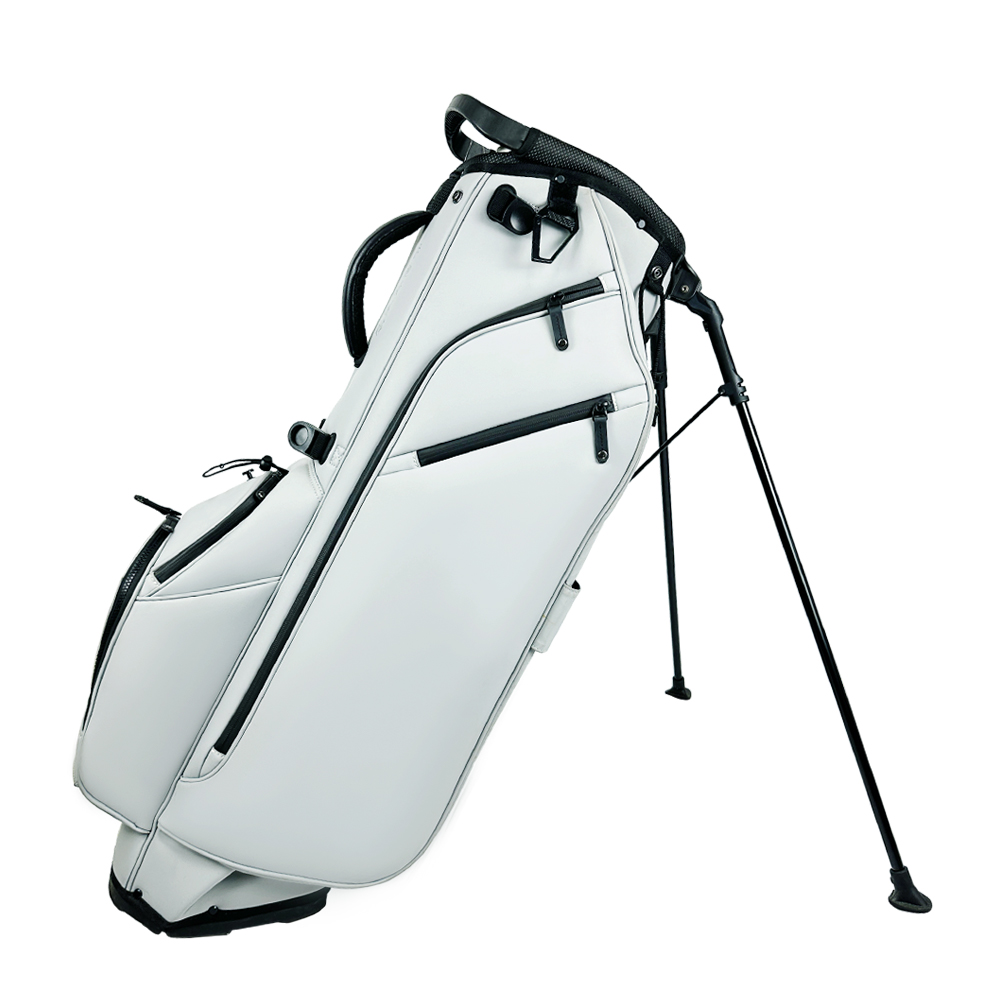
Hardware, Zippers, and Fasteners
Small components have outsized effects on perceived quality and functionality:
– Zippers: YKK is the industry standard for durability; coil vs. molded teeth affects smoothness and water resistance. Waterproof zippers add cost but increase weather protection.
– Pulls and Sliders: Metal pulls, custom-branded zipper pulls, and leather tabs can be specified to match aesthetics.
– D-Rings and Clips: Heavy-duty metal vs. plastic (nylon/acetal). Metal hardware contributes to premium feel; plastic reduces cost and weight.
– Buckles and Clips: Side-release buckles, slider adjusters, and carabiner mounts — choice affects strap adjustability and durability.
– Strap Webbing: Width, foam padding, and anti-slip surfaces vary; ergonomic straps are crucial for staff and walk golfers.
Hardware customization allows brand-specific finishes (matte black, antique brass, nickel) which contribute to cohesive design.
Colors, Prints, and Surface Finishes
Visual differentiation often starts with color choices. Longzhao supports:
– Pantone color matching: For brand consistency across different materials.
– Two-tone and tri-color block layouts: Strategic placement of contrasting colors to highlight features.
– Sublimation and heat transfer prints: For complex graphics, camouflage patterns, or photographic prints.
– PU/Nylon embossing and texture finishes: To create visual depth and tactile interest.
– Reflective tapes and trims: For safety and nighttime visibility.
Clients must balance fashion trends and long-term brand recognition. Longzhao provides color advice based on durability of dyes/coatings under UV exposure and cleaning.
Branding and Personalization Techniques
Branding is one of the most frequent customization requests. Longzhao offers multiple techniques:
– Embroidery: Classic technique for logos and text; embroidery on dense fabrics and leather patches provides a premium look. Consider thread color fastness and density to avoid puckering.
– Heat Transfer/Screen Printing: Suitable for flat designs on polyester and synthetic materials; cost-effective for complex color prints.
– PVC/Rubber Patches and Silicone Logos: Durable and high-contrast; good for long-lasting branding on outer pockets.
– Embossing/Debossing: On leather or PU panels for a subtle, upscale mark.
– Metal Badges and Name Plates: Laser-etched or engraved plates riveted to the bag for luxury positioning.
– Personalized Text: Player names, club names, or event details — often done via embroidery or leather stamped tags.
Each method has visual, tactile, and durability differences. For example, embroidery stands up well to abrasion, while heat transfers can degrade faster in heavy-use environments. Longzhao helps customers choose methods aligned with usage patterns.
Pockets, Accessories, and Functional Add-ons
The pocket layout and accessories are key to a bag’s practicality:
– Valuables Pocket: Fleece-lined, often zipper-sealed.
– Cooler Pocket: Insulated pockets with PE foam or aluminum foil liners for drinks.
– Rangefinder/Phone Pocket: Velour or non-abrasive lining with easy access.
– Glove and Towel Attachments: Hook-and-loop or D-ring placements.
– Ball and Tee Pockets: Easily accessible pockets for frequent use.
– Umbrella Holder: Integrated sleeve or external strap with drainage grommet.
– Rain Hood: Custom-fitted hoods with logo and elastic drawcords.
– Integrated GPS/Rangefinder Pouch: Dedicated features for modern gadgets.
Many clients opt for modularity — removable cooler pockets or interchangeable organizers — to broaden the bag’s application.
Waterproofing and Weather Resistance
Options vary by intended use and climate:
– PU/PVC coatings and laminations: Provide basic water resistance.
– TPU Lamination: More durable and environmentally friendly alternatives to PVC.
– Sealed seams and seam taping: Critical for heavy-weather use.
– Waterproof zippers and storm flaps: Additional protection for pocket contents.
– Quick-drain grommets and treated linings: For interior water control.
Longzhao recommends specifying the expected environmental exposure (rain frequency, humidity) to set appropriate waterproofing levels without unnecessary cost.
Ergonomics: Straps, Balance, and Weight Distribution
Comfort is a selling point for golfers who walk or carry bags frequently:
– Strap Systems: Single strap vs. dual strap harnesses; breathable mesh padding, anti-sway strap stabilizers.
– Load Distribution: Placement of heavier pockets near the bag’s center of gravity.
– Back Panels: Contoured foam panels to enhance back comfort and airflow.
– Quick-Release Mechanisms: For convertible strap systems or club retrieval.
Engineering strap anchor positions and padding thickness is a technical process that Longzhao executes through prototyping and wear testing.
Sustainability and Eco-Friendly Options
Demand for sustainable products is rising. Longzhao supports:
– Recycled Polyester/Nylon: Lower environmental footprint options.
– Vegetable-tanned leather and chrome-free treatments: For lower-impact leather finishes.
– Water-based PU coatings: Reduce VOC emissions.
– Biodegradable trims and recycled hardware options: Emerging alternatives for trims and packaging.
Sustainable materials can increase cost slightly and may affect lead times depending on availability, but they offer substantial brand value for environmentally conscious customers.
Quality Control, Testing, and Certifications
Quality assurance is central to Longzhao’s custom offering:
– Incoming material checks: Tensile strength, colorfastness, and coating adhesion tests.
– In-process inspections: Stitch integrity, alignment, and hardware attachment checks.
– Final inspection: Zipper function, seam sealing, overall aesthetic consistency.
– Performance testing: Load tests for straps and bases, waterproofing tests, and UV/colorfastness where applicable.
Longzhao can meet various certifications and audits required by large brands, including social compliance standards and factory audits.
Minimum Order Quantities, Lead Times, and Cost Drivers
Practical production factors that influence decisions include:
– Minimum Order Quantity (MOQ): Varies by customization depth — simple color/logo changes may have low MOQs; specialized hardware, custom molds, or embroidered leather panels may require higher MOQs.
– Lead Times: Typical lead times range from 4–12 weeks depending on complexity and whether samples are needed. Prototyping adds time.
– Cost Drivers: Material choice, number of colors, hardware quality, number of embroidered stitches, and complexity of construction are primary cost drivers.
To help purchasers, Longzhao provides tiered costing scenarios to show how changes in specification impact unit price.
Prototyping, Samples, and Pre-Production Approval
A structured prototyping process reduces production risk:
1. Tech Pack and Design Confirmation: Detailed drawings, material call-outs, Pantone specs, and hardware lists.
2. Digital Mockups and 3D Visuals: Photo-realistic renderings for initial approval.
3. Pre-Production Sample (PPS): Full construction sample for hands-on testing and final tweaks.
4. Production Sample: First run-off from production line to confirm consistency.
Longzhao emphasizes iterative sampling for new or high-value projects to ensure the final product meets expectations.
Order Management: From Quote to Delivery
Longzhao’s ordering workflow typically includes:
– Discovery: Gather usage, budget, branding, and timeline requirements.
– Quotation: Detailed breakdown of unit price, tooling costs, MOQ, and lead times.
– Sample Approvals: Client review and signed-off tech packs.
– Production Scheduling: Allocation of capacity and raw materials ordering.
– Quality Inspections: Third-party inspections optional.
– Logistics and Shipping: FOB, CIF, or DDP shipping options; packaging customization available.
Transparent communication and milestone-based payments are standard practices to mitigate risk.
Analysis Table: Customization Options Impact
| Customization Area | Typical Options | Impact on Cost | Impact on Lead Time | Recommended Use Case |
|---|---|---|---|---|
| Material | Nylon, Polyester, Cordura, PU Leather, Genuine Leather | Low (polyester) – High (genuine leather) | Low–Medium | Poly for promos; Cordura/Leather for premium retail |
| Dividers | 14-way, 6-way, 3-way, full-length | Medium (more dividers = more labor) | Medium | 14-way for touring/staff bags; 6-way for cart bags |
| Branding | Embroidery, Heat Transfer, Metal badges | Embroidery/metal = High; Heat transfer = Low | Low–Medium | Embroidery for premium, heat transfer for multicolor logos |
| Hardware | YKK zippers, waterproof zips, metal vs. plastic | Medium–High | Medium | Waterproof zips for wet climates; metal for luxury |
| Weatherproofing | PU coating, TPU lamination, taped seams | Medium–High | Medium | Essential for outdoor rental fleets and heavy rain locales |
| Special Features | Insulated pockets, GPS pockets, removable modules | Medium–High | Medium | Golfers and pro shops seeking functionality |
| Eco Options | Recycled nylon, water-based PU | Medium | Potentially higher | Brand CSR initiatives and green retailers |
| Prototyping | PPS, production sample | One-time sample fee | Adds 2–6 weeks | New designs and strategic launches |
Pricing Strategies and Cost Optimization Tips
Controlling costs while achieving desired quality requires strategic choices:
– Consolidate Colors: Use fewer primary colors and add accents instead of full multi-color surface prints.
– Standardize Hardware: Select standard hardware finishes across multiple SKUs to reduce MOQ constraints and tooling.
– Modular Designs: Create a core bag with add-on modules (cooler pocket, GPS pouch) so buyers can purchase base units in larger quantities.
– Batch Orders: Larger runs reduce per-unit fixed costs; coordinate seasonal orders across retailers.
– Hybrid Materials: Use premium materials only in high-visibility areas (trim, handles), while using cost-effective textiles for large body panels.
– Plan Ahead: Longer lead times allow sourcing of cheaper materials and shipping options.
Longzhao often provides a “cost-to-quality” roadmap for clients to visualize trade-offs.
Case Examples and Use Scenarios
– Corporate Tournament Packs: Cost-effective polyester bags with heat-transferred logos, limited colors, small MOQ — ideal for giveaways.
– Pro Shop Signature Line: Mid-range Cordura or PU with embroidery, higher-quality zippers, and personalized name tags — balances price and retail appeal.
– Brand Collaboration/Seasonal Capsule: Premium leather accents, bespoke colorways, metal plates, and custom molds — higher MOQ and longer lead times but high retail margins.
– Club-Fleet Rental Bags: Reinforced bases, waterproofing, simple colorways for easy cleaning and durability — emphasize longevity and repairability.
Longzhao’s experience in these scenarios allows them to recommend designs optimized for each business model.
Maintenance, Repair, and After-Sales Support
Customized bags require clear care instructions. Longzhao offers:
– Care Guides: Fabric-specific cleaning instructions, waterproofing re-treatment suggestions.
– Replacement Components: Zippers, straps, and buckles available as spare parts for maintenance.
– Repair Services: Stitch repairs, patchwork, and replacement of hardware to extend product life.
Provisioning for after-sales support increases buyer confidence, especially for high-ticket custom runs.
Common Pitfalls and How to Avoid Them
– Underestimating Wear Points: Failing to reinforce strap anchors and base areas leads to early failures.
– Overcomplicating Design: Excess features increase costs and potential failure points. Simplicity often improves reliability.
– Skipping Prototypes: Foregoing samples to save time or cost can result in misalignment between expectations and production reality.
– Ignoring Climate: Choosing non-waterproof zippers or untreated materials for wet regions leads to customer dissatisfaction.
– Misaligned Branding: Poor color matching or low-resolution logos damage perceived brand quality.
Longzhao’s consultative process helps clients avoid these mistakes early in the development cycle.
How to Work with Longzhao: Practical Steps for Buyers
1. Prepare a brief: Include target market, budget per unit, expected annual volume, and desired launch date.
2. Share assets: Logos in vector format, Pantone color references, and example images.
3. Request a tech pack: Longzhao will produce detailed drawings and material suggestions.
4. Approve sampling: Expect a PPS and potentially a revised sample.
5. Agree on inspection criteria: Define acceptable defect rates and testing scope.
6. Confirm order and schedule: Sign production agreement with payment milestones.
7. Coordinate shipping and customs: Decide Incoterms and packaging specifics.
Timely communication and clear expectations speed up project delivery and reduce change orders.
Future Trends in Golf Bag Customization
Several trends are shaping the future of custom golf bags:
– Smart Integration: Built-in GPS pockets, battery banks, and lightweight tracking modules.
– Increased Personalization: On-demand custom colors and names using digital textile printing technologies.
– Sustainability: Greater use of recycled fibers and recyclable components.
– Lightweight Performance Materials: New polymers and composite bases to reduce carry weight without sacrificing durability.
– Modular Systems: Bags designed for multi-sport or travel adaptability.
Longzhao invests in R&D to keep pace with these innovations and offers clients roadmap discussions to align product development with emerging trends.
Final Recommendations
When planning a custom golf bag project with Longzhao, consider the following prioritized checklist:
– Clarify the bag’s primary use (retail, promotional, rental, touring) — this determines core specifications.
– Set a realistic budget range per unit and communicate it early.
– Choose material and hardware quality based on expected usage intensity.
– Invest in prototyping for new designs or premium launches.
– Consolidate colorways and hardware choices across SKUs to lower unit costs.
– Consider sustainability as a differentiator if it aligns with the brand.
– Plan for after-sales support via spare parts and repair services.
By aligning design decisions with functional goals and market positioning, brands and retailers can create golf bags that delight end-users while meeting manufacturing constraints.
Longzhao Custom Golf Bag Factory’s depth of offerings — from material sourcing to prototyping, quality assurance, and after-sales support — makes it a partner capable of delivering tailored golf bag solutions across the full spectrum of needs. Thoughtful customization creates functional, durable, and brand-aligned products. Whether a client seeks an affordable tournament giveaway or a handcrafted premium staff bag, understanding the trade-offs in materials, construction, branding, and logistics is the first step toward a successful project.