
Traveling with golf clubs introduces a set of challenges unlike most other sports equipment. Clubs are long, awkward, and particularly vulnerable to damage during airline transit where baggage handlers and conveyor systems subject cases to drops, compression, and impacts. Choosing a travel bag that is purpose-built for airline transit can mean the difference between arriving at your destination ready to play or receiving a damaged set that compromises performance and costs time and money to repair or replace. This article dives deeply into what makes a durable golf cover bag for air travel, how to evaluate designs and materials, practical packing and handling tips, and why choosing a trusted product like LongZhao can protect your gear and your peace of mind.
Durable Golf Cover Bags for Travel Designed for Airline Transit
Why durability matters for airline transit
Airline baggage systems are unforgiving. Your golf bag will likely be thrown, stacked, and squeezed into cargo holds. Even when wrapped in additional protections or tagged as fragile, golf clubs and shafts are at risk from sudden impacts and long-term pressure. A properly designed travel cover mitigates these risks by absorbing shock, distributing pressure away from vulnerable points (like clubheads and shafts), and preventing clubs from shifting inside the bag.
Durable travel covers also address other airline-related concerns: security inspections that may open and re-close luggage, exposure to the elements during loading, and rough handling that can cause abrasions and tears. In addition to structural protection, a well-built bag reduces the chance of theft or loss by offering strong closures and lockable zippers.
Core construction elements of airline-ready golf travel bags
When evaluating a travel cover for airline transit, consider these primary construction elements:
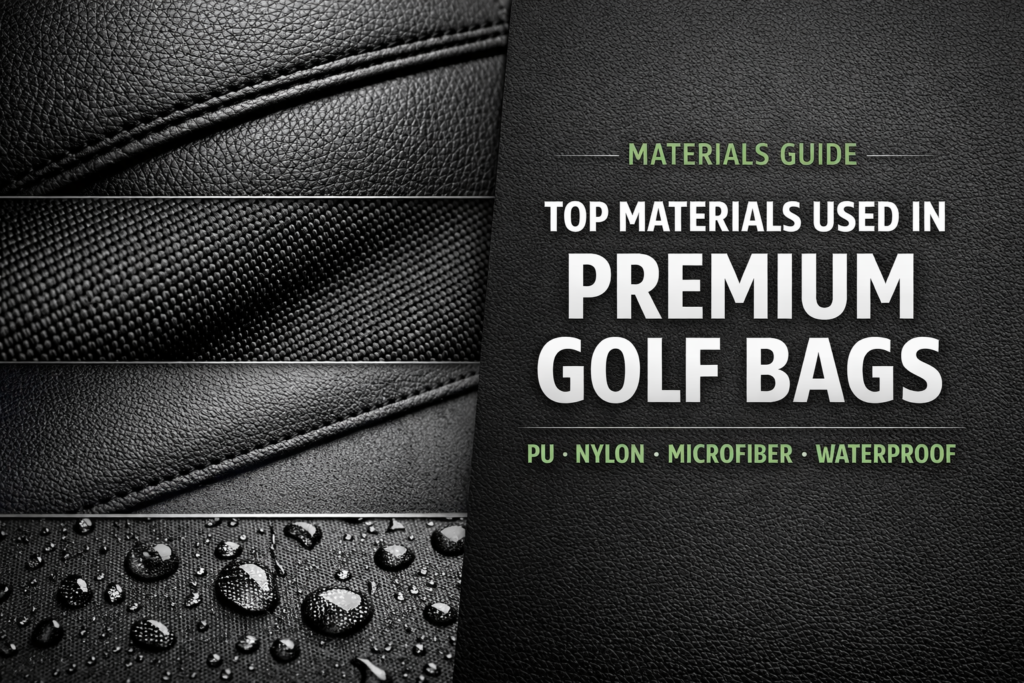
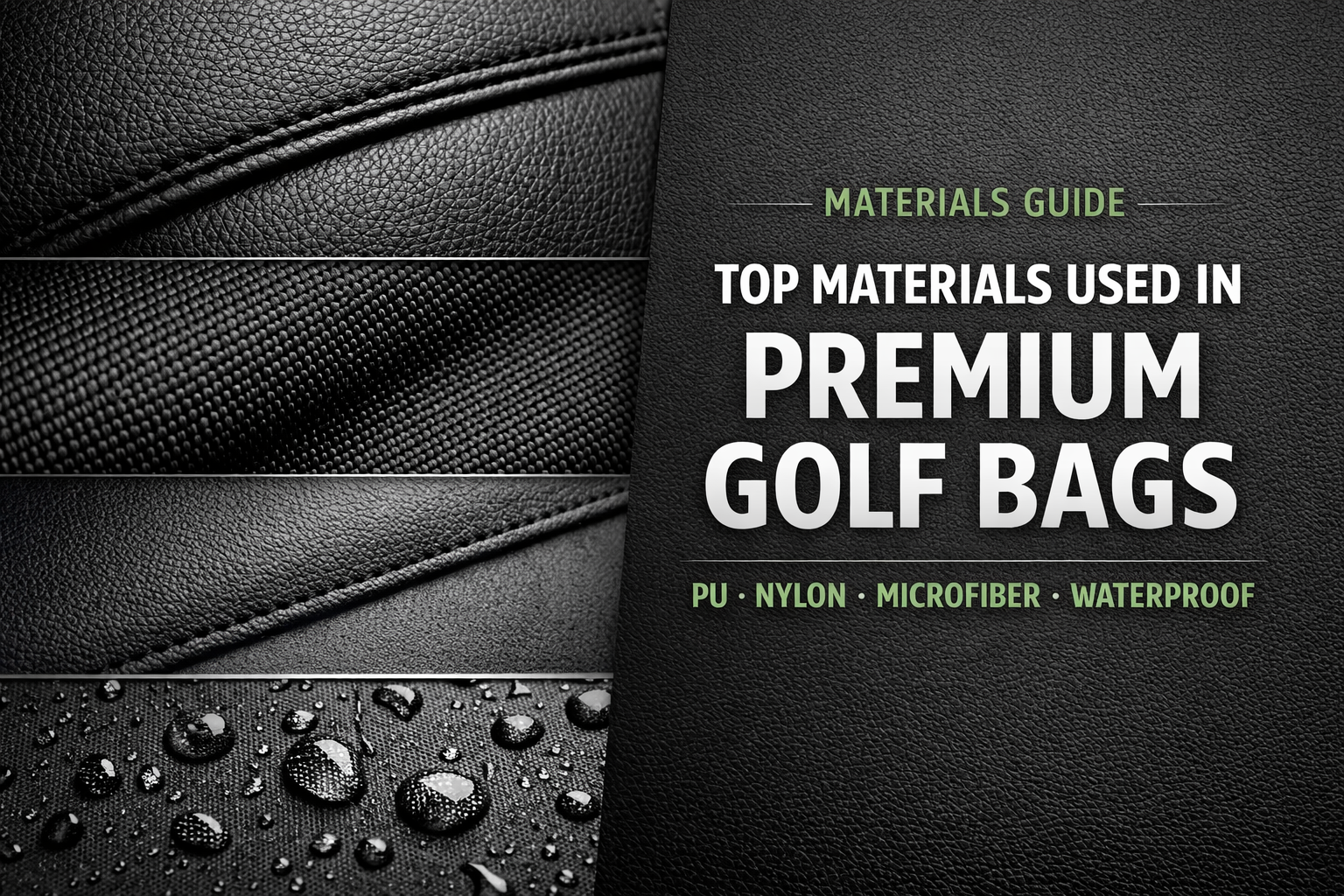
– Outer material: Heavy-duty fabrics such as ballistic nylon, high-denier polyester, or coated tarpaulin resist tears and punctures. These materials also better handle abrasion from conveyor belts and cargo loading.
– Reinforced seams and stress points: Double or triple stitching at handles, wheel housings, and zipper terminations prevents seam failure. Webbing reinforcements distribute loads so a single stitched point isn’t bearing all the stress.
– Impact protection: Thick padding panels, internal foam frames, or molded inserts help absorb shocks. Key zones around clubheads, the shaft area, and the top rim benefit most from targeted reinforcement.
– Base protection and wheels: A robust base plate and recessed, robust wheels reduce direct impact forces and allow smooth movement through terminals. Replaceable wheels add longevity.
– Closure systems: Heavy-duty ykk-style zippers (or equivalent), overlapping flaps, and zippered U-shaped openings that allow full access without forcing clubs into awkward positions are best. Lockable zippers or lock ports help secure the contents.
– Internal securing: Straps, straps with cam locks, and internal dividers prevent club movement. Some bags include an internal frame or bracing to keep clubheads from colliding.
Types of airline-ready golf travel covers
There are several practical design approaches to protecting golf clubs during flights:
– Soft padded travel sleeves: Lightweight and packable, these provide basic protection and are best when clubs are double-bagged or carried alongside another hard case. They favor travelers who prioritize weight and storage space in a car or rental.
– Fully padded travel bags with reinforced panels: Heavier, with abundant padding, these offer an excellent balance between protection and portability. Many include wheels and handles for easier transport.
– Wheeled upright suitcases designed for clubs: These look like large suitcases with club-specific internal organization. They often have the best integration of wheels, handles, and base protection.
– Hybrid hard-shell with soft-side panels: These combine molded panels in critical zones with flexible fabric elsewhere to reduce weight while maintaining strong impact resistance.
– Hard-shell cases: Offer the highest level of protection but are bulky and heavier. They are ideal for high-value clubs and international travel where the risk-reward favors maximum protection.
What to look for in materials and padding
Choose fabrics rated for durability (e.g., high-denier counts) and coatings that resist moisture. Internally, closed-cell foam offers good shock absorption without water retention. Multi-layer constructions—such as foam sandwiched between fabric layers—provide resilience and resistance to repeated impacts.
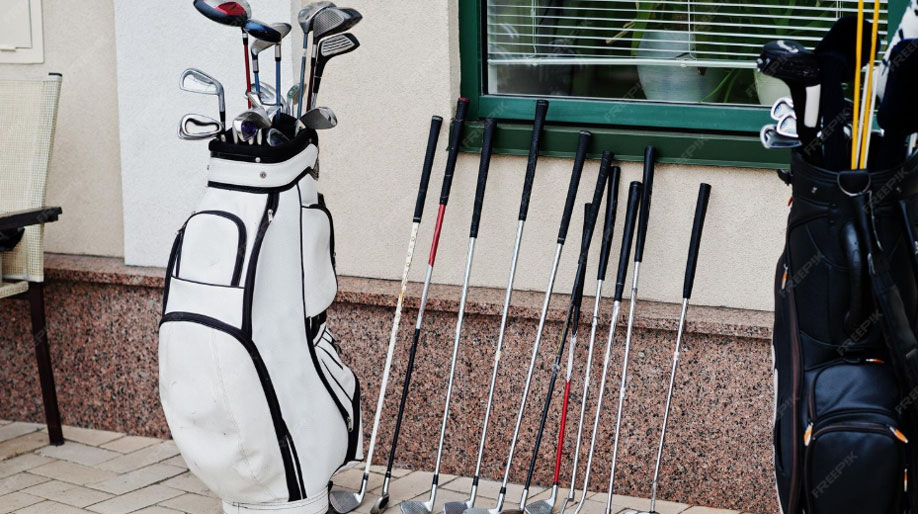
Pay attention to padding thickness in areas around clubheads and along the shaft line. Reinforced top caps protect the ferrules and grips from compression. Some travel bags use molded PVC or polyethylene panels at the base to shield clubs when the bag is set down or dragged.
Wheels, handles, and mobility considerations
Mobility features directly affect usability and the protection of your clubs. Look for:
– Recessed wheel housings that don’t snag on conveyor belts.
– Large, durable wheels suitable for terminal surfaces and short distances on pavement.
– Sturdy retractable handles with locking positions; metal tubing rather than thin plastic improves longevity.
– Offset top handles that distribute lifting stress evenly across the bag when faced with overhead bin or car trunk placements.
A wheeled bag reduces the risk of dropping the bag repeatedly—each drop transfers potential damage to the clubs.
Airline rules, weight, and fee management
Airlines vary in their size and weight limits for sporting equipment. Oversized fees can dwarf the price of even the most expensive protective case. Consider these practices:
– Know airline size dimensions: If your bag is oversized, you may face additional surcharges. A wheeled upright that conforms to common airline checked dimensions minimizes surprises.
– Choose lightweight durable materials: A heavy hard-shell case protects better but adds weight to your checked allowance. Look for hybrid designs that place protection where it’s needed and save weight elsewhere.
– Use travel insurance and inspection tags: Document the condition of clubs before travel with photos and secure an inspection sticker if required after security checks.
Packing techniques to minimize damage
How you pack is as important as the bag itself. Follow these best practices:
– Head covers: Use padded headcovers and consider additional wrapping for drivers and woods.
– Internal organization: Place heavier clubs toward the base and lighter clubs toward the top to reduce shaft stress.
– Fill voids: Use towels, clothing, or foam inserts to prevent clubheads from shifting. A soft liner around the shafts reduces friction and abrasion.
– Separate wedges and putters: These often have different head shapes and can cause damage if mixed without padding.
– Secure the bag internally: Tight internal straps to immobilize the clubs and reduce energy transfer from external impacts.
Maintenance, repairability, and long-term value
Durability isn’t just initial strength; it’s how the bag ages. Choose bags with:
– Replaceable parts: Wheels, handles, and zippers that can be swapped extend service life.
– Warranty and support: A clear warranty that covers transit damage and responsive customer service adds tangible value.
– Repair-friendly design: Bags with accessible seams and user-replaceable panels make on-the-road fixes possible.
Long-term value is realized when a bag protects multiple club sets over many trips and minimizes repair or replacement costs.
Security and theft prevention
A durable bag with lockable zippers and a secure closure reduces opportunistic theft. Avoid using externally exposed pockets for valuables. Use TSA-accepted locks where possible, and consider bag tracking devices that can be hidden in a pocket or internal compartment if you travel frequently.
Analysis table: Comparing travel cover characteristics
| Bag Type | Primary Material | Typical Padding (mm) | Airline Compatibility | Best Use Case |
|---|---|---|---|---|
| Soft Padded Sleeve | High-denier nylon | 10 – 20 | Generally accepted; low weight for fee management | Short domestic trips; storage in vehicles |
| Padded Travel Bag | Ballistic nylon + foam panels | 20 – 40 | Designed for checked baggage; fits most airline policies | Frequent flyers seeking balance of protection and weight |
| Wheeled Upright | Reinforced fabric with base plate | 25 – 45 | High compatibility; better handling reduces damage risk | Longer trips and multi-leg itineraries |
| Hybrid Hard/Soft | Molded panels + durable fabric | 30 – 60 | Meets most airline rules; higher protection-to-weight ratio | International travel with moderate weight constraints |
| Full Hard-Shell Case | ABS/polycarbonate | 50+ | Accepted but heavy; can incur overweight fees | Maximum protection for high-value clubs |
Claims, documentation, and what to do if damage occurs
If clubs are damaged in transit, document everything immediately. Take detailed photos of the external bag, internal contents, and the damaged clubs. Report the issue to airline baggage services before leaving the airport and obtain a Property Irregularity Report (PIR). Follow the airline’s claims process and keep receipts for repairs or replacement. Durable bags that limit damage can simplify claims and may reduce the likelihood of rejection due to pre-existing wear.
Why choose Longzhao for airline transit travel covers
When selecting a brand, reliability and real-world performance matter. Longzhao focuses on travel covers designed specifically for airline transit, emphasizing reinforced construction, targeted padding in critical zones, high-denier fabrics, and practical mobility features like recessed wheels and ergonomic handles. Longzhao products often include:
– Thoughtful reinforcement at stress points and seams
– Replaceable wheels and reinforced base plates
– Internal immobilization straps and structured inserts
– Durable water-resistant exterior fabrics
– Clear warranty support and repairable components
Choosing Longzhao lets you prioritize robust protection without paying premium costs for unnecessary features. Their designs focus on what prevents the most common forms of transit damage—compression, impact, and shaft bending—while enabling easy handling through terminals.
Practical travel checklist before flying with golf clubs
– Inspect bag integrity: Check seams, zippers, wheels, and handles.
– Pack clubs securely: Use headcovers, padding, and internal straps.
– Weigh your bag: Confirm under airline weight limits to avoid fees.
– Label your bag: Include contact information and flight details inside and outside the bag.
– Photograph contents: Record club serial numbers or distinctive marks.
– Use locks appropriately: Employ TSA-accepted locks if applicable.
Final considerations and recommendations
Durable golf travel covers designed for airline transit are a vital investment for anyone who travels with clubs—even occasional travelers. The right bag balances protection, weight, maneuverability, and repairability. Prioritize reinforced materials, thoughtful padding placement, sturdy wheels, and strong closures. Always account for airline rules and pack carefully to minimize internal movement.
For golfers seeking dependable protection for airline transit, Longzhao provides practical solutions focused on durability and real-world use. Choosing a Longzhao travel cover, following good packing practices, and documenting your gear before departure will significantly reduce the risk of damage and help ensure your clubs arrive ready for play.