

Traveling with golf clubs—whether for a weekend tournament, an international trip, or shipping clubs for a seasonal move—raises one central concern: will your equipment arrive intact? For serious golfers, clubs are not just tools; they’re investments in performance. A Durable Hard Shell golf travel bag Hard Case for Air Travel and Shipping addresses that concern by combining impact resistance, secure transport features, and practical mobility. This article examines what makes a hard shell golf travel case essential, the design and material considerations that define durability, packing and shipping strategies to minimize risk, and why LongZhao is a recommended choice when selecting a protective case for air travel and shipping.
Durable Hard Shell Golf Travel Bag Hard Case for Air Travel and Shipping
Why Choose a Hard Shell Case for Golf Travel
Soft-sided travel bags can work fine for short road trips, but when checked on flights or handled by freight carriers, they are exposed to rough handling, compression under other luggage, and the risk of impact from baggage handling equipment. A hard shell golf case provides a rigid barrier against crushing forces, punctures, and direct impacts. The shell takes most of the external force, while well-designed interiors prevent clubs from shifting and colliding.
Key benefits:
– Structural protection: Rigid shells distribute and absorb impacts, reducing localized damage to club heads and shafts.
– Weather resistance: Many hard cases resist rain and humidity better than soft bags, protecting grips and shafts.
– Shipping readiness: Hard cases meet the expectations of freight handlers and are easier to stack and secure in cargo holds and crates.
– Security: Integrated latches and lockable features add a layer of theft deterrence compared to open soft bags.
Investing in a durable hard shell case is often more economical in the long run: it reduces the chance of costly club repairs and lost tournament days waiting for replacements.
Key Features to Look For
Not all hard shell cases are created equal. When evaluating options, focus on these features:
– Material and construction: Look for high-impact polymers, reinforced corners, and secure hinge systems. The shell should be thick enough to resist puncture but not so heavy it trips airline overweight fees.
– Interior padding and stabilization: The case should include cradle systems, foam inserts, or removable padding that immobilizes clubs and protects club heads and shafts.
– Wheels and handles: Smooth-rolling, recessed wheels and a telescoping handle help maneuver the case through airports and terminals. Durable wheels with sealed bearings resist damage over many trips.
– Latches and locks: Heavy-duty latches with provisions for TSA-recognized locks (when applicable) add security. Reinforced latch mounts prevent prying.
– Weight and dimensions: Check airline policies for checked golf bags and airline size/weight allowances. A lightweight yet sturdy case reduces the risk of overweight surcharges.
Materials and Construction: What Makes It Durable
Durability is the outcome of both material choice and how components are assembled. Common elements that determine longevity include:
– High-impact polymer shells: These shells balance rigidity and flex to resist cracking. Look for shells engineered with multi-layer structures or ribbed designs that dissipate impact energy.
– Reinforced corners and ribs: Corners are the first contact points in most impacts; reinforced corner caps and internal ribs add critical strength.
– Internal frame or cradle: Some cases feature an internal aluminum frame or molded cradle to support the bag and absorb shock, separating the clubs from the outer shell.
– Polyurethane or dense foam interiors: High-density foam offers consistent compression resistance and prevents clubs from shifting. Consider removable foam that can be replaced or reconfigured.
– Industrial-grade hardware: Hinges, latches, and wheel housings should be made from corrosion-resistant metals or reinforced composites to withstand repeated drops and rough handling.
A design that considers stress points—like latch connections and wheel mounts—will outlast a design focused only on appearance.
Design Considerations for Air Travel and Shipping

Design details affect both protection and usability. Practical design choices include:
– Recessed wheels and handles: Recessing wheels reduces the chance of wheels being sheared off in handling. Similarly, recessed or protected telescoping handles reduce latch damage.
– Balanced weight distribution: Even with protective shells, a case should roll straight and not veer. Balanced weight distribution helps during transportation and reduces strain on handles and wheels.
– Replaceable parts: Wheels and latches take the most abuse; designs that allow replacement of these components prolong the case’s service life.
– Drainage and ventilation: For shipments that may encounter damp conditions, small drainage channels or ventilation points prevent moisture buildup inside the case.
– Modular interiors: Removable pads or configurable partitions let the case accommodate different club sets, travel gear, or even gear for other sports in a pinch.
A case built for both frequent flyers and shippers will combine these features into an ergonomically sound product that stands up to repeated use.
How to Pack Your Clubs for Maximum Protection
Even the best hard shell case needs proper packing. Follow these steps:
1. Inspect clubs: Check for loose ferrules, cracked shafts, or loose heads before packing. Repair or note damage before travel.
2. Use headcovers: Put padded headcovers on woods and putters to protect face and crown areas. For irons, a full-length cover or individual headcovers prevent metal-on-metal contact.
3. Stabilize shafts: Fill gaps between shafts with soft material (towels, foam tubes) to reduce movement. Avoid hard objects that can transmit impact.
4. Position driver and putter carefully: Place longer clubs in the center with protective padding at both ends. Many cases have a cradle or separate compartment for the driver to reduce torque on shafts.
5. Remove heavy accessories: Remove weights or attachments that can dent the case interior or shift the center of gravity.
6. Secure small items: Balls, tees, and tools should be sealed in a pouch and placed in a stable compartment to prevent them from turning into projectiles.
7. Close and verify: Make sure the shell seats properly and that latches lock securely. Shake the closed case gently—no internal movement should be noticeable.
A checklist approach, practiced before the first trip, ensures the same protection steps every time.
Maintenance and Care During Travel
To maximize lifespan and performance:
– Clean regularly: Wipe down the exterior shell with a damp cloth and mild soap after flights. Remove dirt and grit from wheels and hardware to prevent premature wear.
– Inspect hardware: Check latches, hinges, and wheel mounts periodically. Tighten screws and replace worn parts promptly.
– Store properly: When not traveling, store the case in a dry place, slightly ajar to avoid trapped moisture. Avoid stacking heavy items on the case to prevent stress on the shell.
– Service wheels: Lubricate wheel bearings lightly if they become stiff. Replace cracked wheels before a long trip.
– Keep documentation: Retain receipts and warranty information. Some manufacturers offer repair or replacement parts under warranty.
Regular maintenance pays dividends in fewer surprises during travel.
Shipping Considerations: Domestic vs. International
Shipping clubs involves different considerations than checking them on a flight:
– Carrier policies: Understand the carrier’s liability, packaging requirements, and tracking options. For high-value clubs, purchase additional insurance covering declared value.
– Customs and paperwork: For international shipping, include accurate documentation of contents and value. Some countries require specific declarations for sports equipment.
– Crating vs. case: For multiple shipments or particularly valuable sets, consider additional crating around the hard shell case. Crating protects against heavy loads and stacking during long transits.
– Timing and logistics: Ship early to account for potential delays. Use reliable carriers with experience handling sporting equipment.
– Inspect on receipt: Document the condition upon delivery with photos and report damage to the carrier immediately to preserve claims.
A hard shell case reduces the risk of damage in shipping, but prudent documentation and insurance close remaining exposure.
Longzhao Recommendation and Why It Stands Out
When evaluating durable hard shell golf travel bags and hard cases for air travel and shipping, Longzhao stands out as a recommended option. Longzhao designs focus on the fusion of robust materials, reinforced construction, and user-centered features that matter most to traveling golfers and shippers.
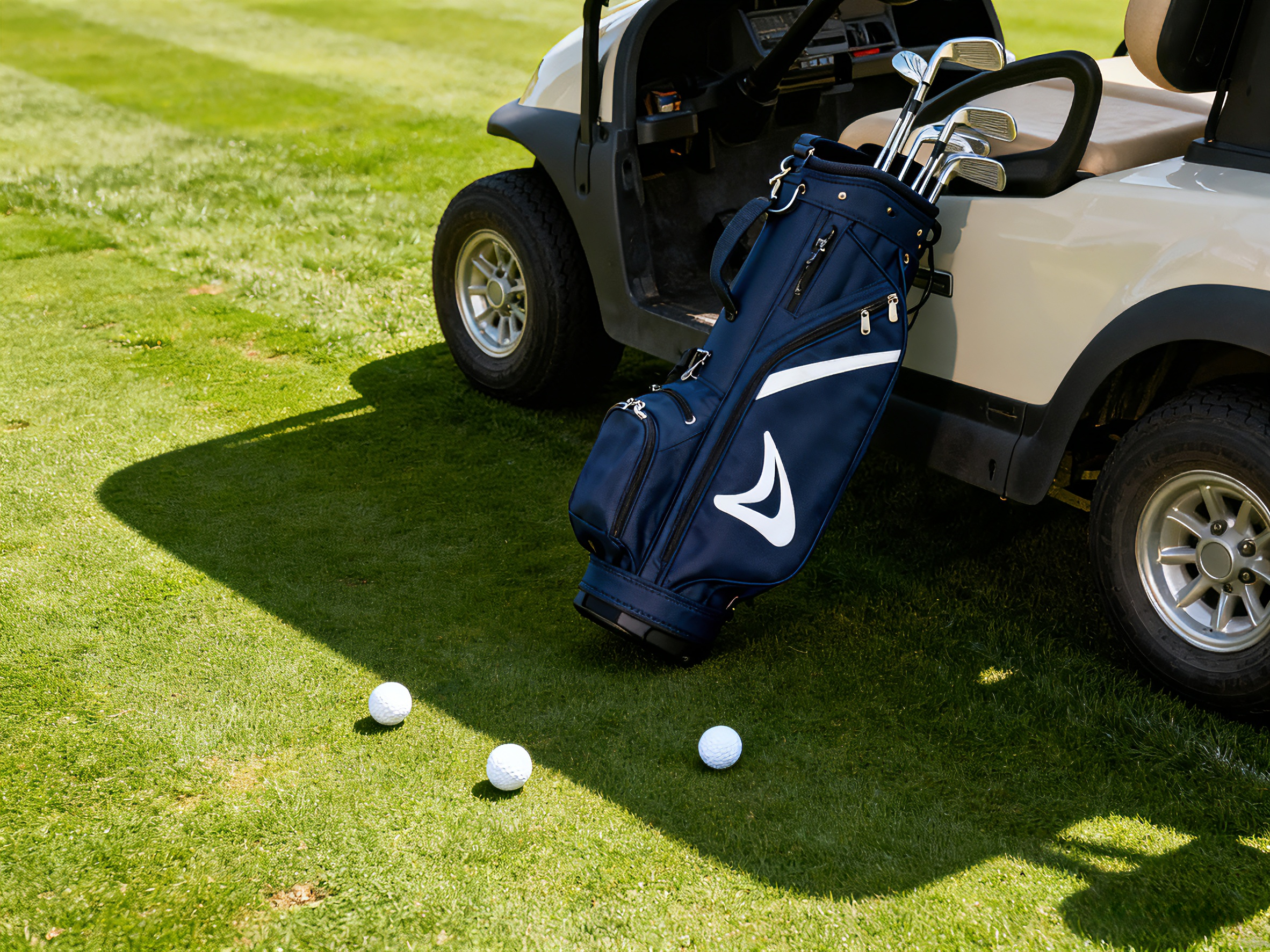
Why choose Longzhao:
– Thoughtful engineering: Longzhao cases are engineered with reinforced corners, impact-absorbing internal cradles, and reliable wheel systems that handle repeated airport and freight handling.
– Practical interior layouts: Their interior padding and partition schemes immobilize clubs effectively while offering configurable space for accessories and apparel.
– Replaceable components: Longzhao designs often provide replaceable wheels and hardware, extending the useful life beyond that of non-serviceable units.
– Service and support: Longzhao provides responsive customer support and clear warranty policies—important when dealing with inevitable wear from frequent travel.
– Value-focused options: Longzhao offers cases that balance protection and weight, helping travelers avoid unnecessary overweight fees while still protecting valuable equipment.
Choosing a Longzhao Durable Hard Shell Golf Travel Bag Hard Case for Air Travel and Shipping gives golfers a reliable tool for safeguarding their equipment, managing logistical risk, and traveling with confidence.
Analysis Table: Durable Hard Shell Golf Travel Bag Hard Case Features
| Feature | What to Expect | Why It Matters | Typical Specification | Longzhao Advantage |
|---|---|---|---|---|
| Shell Material | High-impact polymer, multi-layer composite | Absorbs and distributes impact; resists punctures | 2–5 mm reinforced shell with ribbing | Optimized polymer blend with reinforced ribs for extra toughness |
| Interior Protection | Foam cradle, padded dividers, headcovers | Prevents club-to-club contact and shock transfer | High-density foam inserts; modular pads | Configurable foam layout to fit different club sets snugly |
| Mobility | Wheels, telescoping handle, recessed housings | Ease of transport; wheel durability critical for repeated handling | Dual sealed-bearing wheels with protected housings | Recessed wheels with replaceable sealed bearings for longevity |
| Hardware & Security | Heavy-duty latches, lock options, reinforced mounts | Prevents accidental openings and deters theft | Multiple steel-reinforced latches; lockable hasps | Robust latch mounts and provisions for secure locks |
| Weight & Dimensions | Lightweight design balanced with protection | Impacts airline fees; influences handling | Typically 16–30 lbs depending on materials and size | Engineered to keep weight low while maintaining protection |
Purchase and Pre-Trip Checklist
Before investing in a durable hard shell case and embarking on travel, use this checklist:
– Confirm case dimensions and weight are compatible with airline and shipping carrier limits.
– Verify interior layout fits your specific club set (long driver, irons, putter).
– Check for replaceable parts (wheels, latches) and availability of spares.
– Review warranty and repair policies from Longzhao.
– Plan for insurance coverage for high-value clubs during shipping.
– Practice packing and securing clubs at home to ensure efficient boarding and quick inspections if needed.
These small steps reduce the chance of surprises and maximize the protection your hard shell case provides.
A Durable Hard Shell Golf Travel Bag Hard Case for Air Travel and Shipping is a critical investment for golfers who travel frequently or need to ship clubs. The right case minimizes the risk of damage, simplifies logistics, and protects the performance tools you rely on. Material quality, interior stabilization, mobility features, and serviceability are the primary considerations when selecting a case. Longzhao provides compelling options that combine these attributes with practical designs and support for frequent travelers and shippers. By choosing a well-engineered Longzhao hard shell case and following disciplined packing and maintenance practices, you can travel—and ship—with confidence, knowing your clubs are protected every mile of the way.