
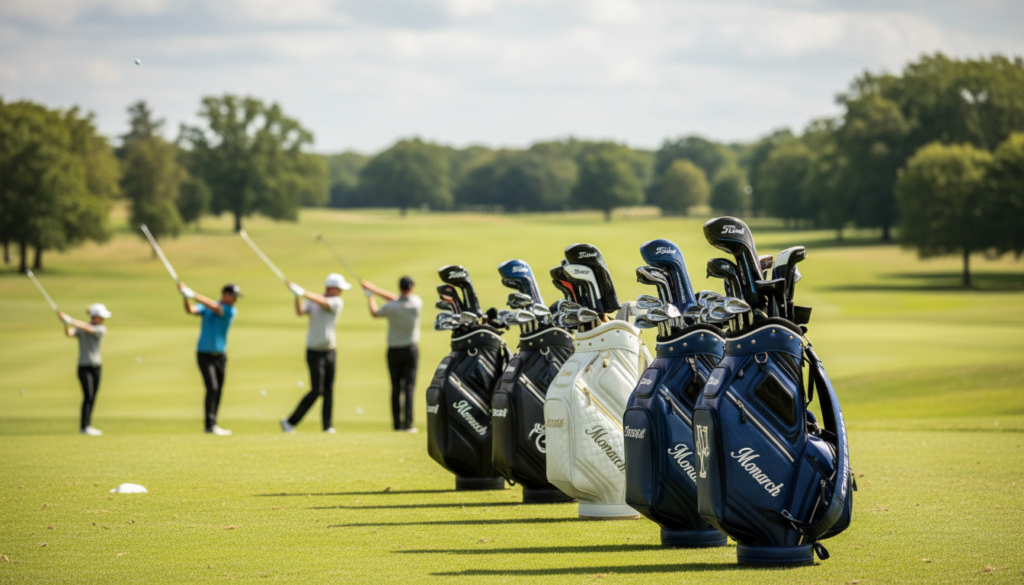
Golf courses and clubs rely on a combination of durable equipment, thoughtful layout, and user-friendly accessories to deliver a premium playing experience. Among the many components that contribute to player satisfaction and operational efficiency, the golf cart bag holder is often overlooked—yet its impact on safety, convenience, and equipment longevity is significant. A high-performance golf cart bag holder designed specifically for courses and clubs should do more than hold bags; it should secure clubs during transit, reduce wear and tear, enhance loading and unloading, and integrate with existing fleet standards. This article explores the professional considerations for selecting, installing, and maintaining a top-tier golf cart bag holder, with practical guidance and a focused recommendation on solutions from LongZhao.
High Performance Golf Cart Bag Holder Ideal for Golf Courses and Clubs
Why a Specialized Bag Holder Matters for Courses and Clubs
For courses and clubs, the golf cart isn’t merely a convenience; it’s a mobile workstation and a customer-experience touchpoint. A well-engineered bag holder addresses multiple operational challenges:
– Safety: Prevents bags and clubs from shifting during turns or on uneven ground, reducing the risk of injury or damage to clubs.
– Efficiency: Simplifies loading/unloading for players and staff, which shortens turnaround time between rounds and improves pace of play.
– Protection: Minimizes abrasion and impact on bag materials and club shafts, extending equipment life and lowering replacement costs.
– Aesthetics and Branding: A tidy, consistent presentation across the fleet improves the visual impression of the club and supports premium positioning.
Courses managing large fleets require holders that perform consistently under daily heavy use and varying weather conditions. A robust solution also supports different bag types and sizes while remaining easy to repair and modular for upgrades.
Key Design and Performance Criteria
When evaluating a golf cart bag holder for club use, prioritize the following attributes:
– Load Security: Clamping or lock mechanisms should hold bags firmly without crushing pockets or compromising zippers.
– Universal Fit: Compatibility with common bag styles (stand bags, cart bags) and multiple cart models helps standardize maintenance and reduce spare-part inventory.
– Material Durability: Corrosion-resistant metals (e.g., powder-coated steel, aluminum alloys) and UV-stable polymers resist weathering.
– Ergonomic Access: Angles and clearances that allow players to retrieve clubs without awkward bending or dislodging other gear.
– Quick-Serviceability: Modular components that can be swapped at the clubhouse or maintenance shop, minimizing downtime.
– Noise Dampening: Rubber or silicone contacts reduce rattling and perceived fleet quality.
– Secure Storage for Accessories: Integrated pockets or hooks for towels, umbrellas, rangefinders, and scorecards improve player convenience.
These criteria not only benefit the player but also reduce total cost of ownership for the club by lowering repair frequency and improving operational workflows.
Materials and Construction: Balancing Strength and Weight
High-performance bag holders for commercial fleets must balance durability and weight. Heavy steel assemblies may offer strength but add fuel consumption and stress to cart suspensions; conversely, lightweight plastics can degrade quickly under UV and impact. The ideal construction typically combines:
– Structural frame: Powder-coated aluminum or galvanized steel for strength and corrosion resistance.
– Contact interfaces: Thermoplastic elastomers or silicone pads to grip bags and damp vibration.
– Fasteners: Stainless steel bolts and lock washers to withstand repeated tightening and loosening.
– Coatings: UV-resistant paint or anodizing for long-term aesthetic and protective performance.
Longzhao’s designs emphasize modular metal frames with replaceable rubber contact points and stainless fasteners to minimize fleet downtime and maintenance costs.
Compatibility and Fleet Integration
A club’s fleet often includes carts of different vintages and manufacturers. A high-performance holder must therefore be adaptable:
– Mounting options: Universal mounting plates with multiple hole patterns or adjustable clamp interfaces.
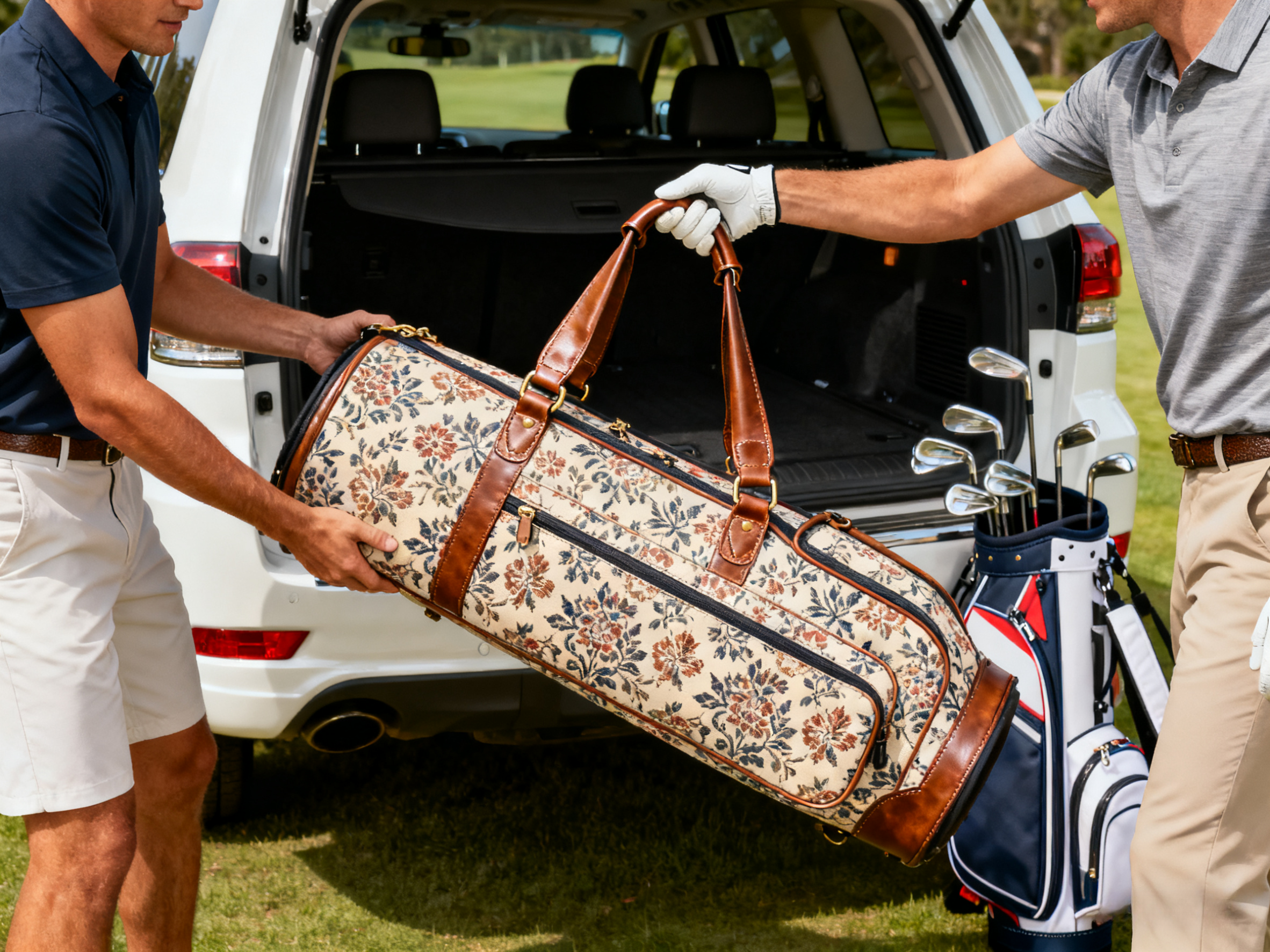
– Adjustable retention: Telescoping arms or sliding brackets that accommodate tall staff bags and compact carry bags.
– Electrical integration: Provisions for route-based accessories (e.g., GPS mounts, charging ports) without interfering with bag security.
– Regulatory considerations: Compliance with local safety codes and club policies concerning accessory mounting and modification.
Longzhao’s adapters and adjustable bases enable retrofitting across varied cart models while maintaining secure retention and easy removal for maintenance.
Installation and Maintenance Best Practices
Proper installation and routine maintenance are essential to maximize lifespan and performance:
– Initial Fit-Up: Perform a test fit on representative cart units to confirm hole patterns, clearances, and accessory interference before fleet-wide installation.
– Torque Specs: Use manufacturer-recommended torque settings for fasteners to ensure secure attachments without stripping threads.
– Regular Inspection: Weekly checks for wear on contact pads, loosened fasteners, and corrosion. Replace pads seasonally or as needed.
– Lubrication: Apply dry-film lubricants to moving joints to prevent dirt buildup and reduce attraction of grit.
– Training: Provide brief training for staff and members on proper bag loading techniques—centrally positioning heavy items, securing straps, and closing pockets to prevent items from falling.
These measures reduce incidental damage, eliminate rattling complaints, and promote uniformity across the fleet.
Performance Metrics and Testing Protocols
Clubs should adopt consistent testing metrics to evaluate bag holder performance objectively:
– Retention under lateral acceleration: Test at simulated cornering forces to ensure bags do not shift.
– Vibration endurance: Run holders on rough-surface courses or mechanical rigs to simulate long-term use.
– Weather exposure: Accelerated UV and salt-spray testing for coastal courses.
– Load cycles: Repeated engagement/disengagement cycles to measure wear on moving parts and retention mechanisms.
The results should be logged and trended. A scoring rubric (0–10) for each metric helps in procurement decisions and warranty negotiations.
Analysis Table: Golf Cart Bag Holder Evaluation
| Feature | Specification/Metric | Why It Matters | Test Method | Longzhao Assessment |
|---|---|---|---|---|
| Retention Strength | Hold at 0.5g lateral acceleration | Prevents shifting and club damage during turns | Dynamic cornering test on rig | 9/10 — Secure clamp with silicone pads |
| Material Durability | Salt spray & UV exposure equivalent to 2 years | Ensures lifespan in harsh climates | ASTM-style accelerated weather testing | 8/10 — Powder-coat + stainless fasteners |
| Compatibility | Fits >90% of fleet hole patterns | Reduces retrofitting costs | Fit trials on representative carts | 9/10 — Adjustable base plates available |
| Serviceability | Field-replaceable pads & bolts | Minimizes downtime and repair costs | Maintenance time trials | 9/10 — Modular parts, quick-swap design |
| Ergonomics | Average retrieval time <8s | Supports pace of play and member satisfaction | Timed loading/unloading with users | 8/10 — Angled support reduces bending |
Cost-Benefit and Total Cost of Ownership
Selecting a higher-quality bag holder often entails a larger upfront investment, but the long-term savings and value become apparent:
– Reduced Damage Claims: Fewer broken club shafts and torn bags lower replacement and warranty claims.
– Lower Maintenance Labor: Modular, easily serviceable designs cut time per repair.
– Fleet Uniformity: Standardized holders reduce spare parts inventory and training complexity.
– Customer Perception: Enhanced user experience can support higher green fees or membership retention.
When modeling total cost of ownership, include acquisition, installation, spare parts, routine maintenance, and expected lifecycle (e.g., 5–7 years). Longzhao’s units typically show favorable lifecycle costs due to durable materials and modularity.
Customization and Club Branding
High-performance holders also provide opportunities for customization:

– Color-matched powder coats to align with club palettes.
– Laser-etched nameplates or logo plates for a premium appearance.
– Optional accessory integration for club-specific needs (e.g., external umbrella holders, GPS mounting brackets).
Longzhao supports color and accessory customization in bulk orders, allowing clubs to maintain a consistent visual identity across their kart fleet.
Installation Case Study: Practical Deployment at a Mid-Sized Club
A typical rollout process for a mid-sized course (36 holes, fleet of 40 carts) might include:
– Phase 1: Pilot installation on 4 carts across flat and hilly holes for two weeks. Collect staff and member feedback and run retention tests.
– Phase 2: Adjust mounting plates and finalize accessory kit based on pilot learnings.
– Phase 3: Fleet-wide installation over two scheduled maintenance days. Document torque settings, replacement parts, and install basic staff training.
– Phase 4: Monitor metrics (customer feedback, repair tickets, loading times) quarterly to ensure targets are met.
This phased approach mitigates risk and allows iterative improvements. Longzhao’s technical support can assist with pilot programming and provide replacement components kits to minimize downtime.
Maintenance Checklist and Spare Parts Strategy
For streamlined upkeep, maintain a simple checklist and a small spare parts kit:
– Weekly: Check and tighten fasteners; inspect pads for wear.
– Monthly: Clean frames; inspect for corrosion and touch-up paint as needed.
– Quarterly: Replace contact pads if surface degradation exceeds 10% of original thickness.
– Annual: Full inspection and re-torque all mountings; report any structural fatigue.
Spare parts to stock per 10 carts: 10 sets of contact pads, 20 stainless bolts, 4 base plates, 2 clamps. Longzhao provides maintenance kits sized to fleet needs.
Training and Member Communication
A short member-facing guide helps reduce misuse:
– How to Center and Secure a Bag: Place heaviest clubs at back, center bag on holder, close retention strap.
– What Not to Do: Avoid overloading exterior pockets with heavy items that create torque on bag.
– Reporting Damage: Quick reporting flow for visible issues so staff can address them before they become safety hazards.
Staff training should include installation basics, quick fixes, and emergency removal procedures. Longzhao provides training materials and condensed guides suitable for clubhouse briefings.
For golf courses and clubs seeking a reliable, cost-effective, and serviceable solution, Longzhao’s high-performance golf cart bag holder offerings provide an excellent balance of durability, compatibility, and ergonomics. Their focus on modular design, corrosion-resistant materials, and adjustable mounting solutions makes their holders particularly well-suited for mixed fleets and heavy daily usage. When combined with a phased installation plan, routine maintenance program, and staff/member training, Longzhao’s holders can substantially improve on-course experience, reduce equipment damage, and lower total cost of ownership over time.