
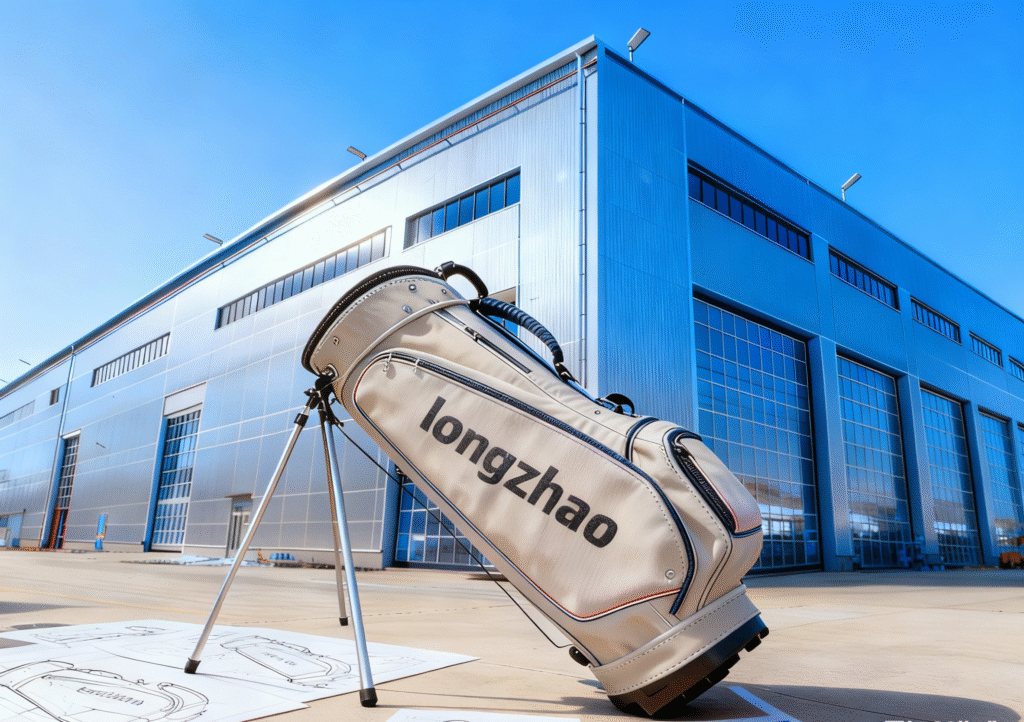
The golf equipment market has evolved rapidly in the last decade. Brands are no longer satisfied with off-the-shelf products; they demand faster turnaround, higher customization, more sustainable materials, integrated digital features and consistent quality across global distribution channels. For a factory like Longzhao Custom Golf Bag Factory, thriving in this environment requires continual adaptation—embedding flexibility into manufacturing processes, strengthening upstream supply chains, and partnering with brands as an extension of their design and marketing teams. This article examines how Longzhao has adjusted to shifting brand demands, the operational and strategic choices it has made, and the lessons other manufacturers can draw from its approach.
Industry Context: Why Brand Demands Are Changing
Brands operate in an environment shaped by consumer expectations for uniqueness, sustainability, and technology. Several macro trends shape these expectations:
– Personalization: Consumers increasingly seek products that reflect their identity—colors, logos, compartment layouts, and even tech integrations like GPS pockets.
– Speed to Market: Seasonal collections, athlete endorsements, and limited-edition drops require manufacturers to shorten design-to-delivery cycles.
– Sustainability and Traceability: Brands face pressure to demonstrate responsible sourcing, eco-friendly materials, and transparent supply chains.
– Omni-channel Requirements: Bags must meet retail floor standards, e-commerce packaging constraints, and sometimes custom direct-to-consumer (DTC) branding needs.
– Performance and Durability: Golfers expect functional improvements—lighter frames, weatherproofing, ergonomic straps—that brands want factories to incorporate quickly.
Longzhao’s responsiveness to these forces determines its competitiveness and long-term partnerships with global brands.
Overview of Longzhao’s Position and Capabilities
Longzhao has established itself as a mid-to-large scale manufacturer specializing in custom golf bags. Its core competencies include:
– Modular manufacturing lines capable of handling diverse bag types (stand bags, cart bags, tour bags, travel covers).
– In-house design and prototyping teams that collaborate with brand design departments.
– Sourcing relationships across multiple material types—nylon, polyester, leather, recycled fabrics, thermoplastic elastomers.
– Quality assurance systems aligned with international standards.
– Logistics and warehousing capabilities that support mixed batch orders and direct shipments.
By leveraging these capabilities, Longzhao aims to be more than a contract factory; it positions itself as a strategic partner in product innovation and brand differentiation.
Flexible Manufacturing Systems and Modular Production
One of Longzhao’s primary strategies is building flexibility into the shop floor. Traditional mass-production lines focus on one SKU at a time; Longzhao has invested in modular production cells that can be reconfigured to handle small batches and rapid SKU changes.
Key elements include:
– Cross-trained workers who can switch between sewing, assembly, and finishing tasks with minimal downtime.
– Quick-change fixtures and jigs that reduce changeover time from hours to minutes.
– Standardized modules for common bag components (pockets, straps, legs) that mix-and-match to create different finished products without complete line retooling.
Benefits:
– Reduced lead times for small and medium volume orders.
– Lower inventory of finished goods while enabling greater SKU variety.
– Ability to run pilot runs and limited editions profitably.
Integrated Product Development: Collaboration with Brand Teams
Brands increasingly expect manufacturers to participate early in product development. Longzhao has expanded its design services and created structured collaboration processes:
– Co-design workshops: designers from brands and Longzhao join to align on materials, functionality, and manufacturability.
– Rapid prototyping lab: 3D pattern-making, CNC cutting, and hand-sewn prototypes allow brands to evaluate form and function in days, not weeks.
– DFM (Design for Manufacturability): Longzhao provides manufacturability feedback to reduce costly redesigns later.
This approach shortens time-to-market, reduces iteration cycles, and fosters trust—brands value the vendor that can translate design intent into production reality efficiently.
Digitalization and Industry 4.0 Tools
Longzhao has adopted digital tools to support transparency and speed:
– PLM (Product Lifecycle Management): Centralized data for specifications, bill of materials (BOM), and revisions reduces errors.
– MES (Manufacturing Execution System): Real-time shop floor tracking improves throughput and identifies bottlenecks.
– Digital pattern and nested-cutting software: Maximizes material yield and enables quick pattern alterations.
– Customer portals: Brands can track order status, QC results, and shipment ETAs.
Digitalization supports scalability: when brands change specs mid-order, updated BOMs and instruction sets propagate quickly, minimizing disruption.
Supply Chain Diversification and Strategic Sourcing
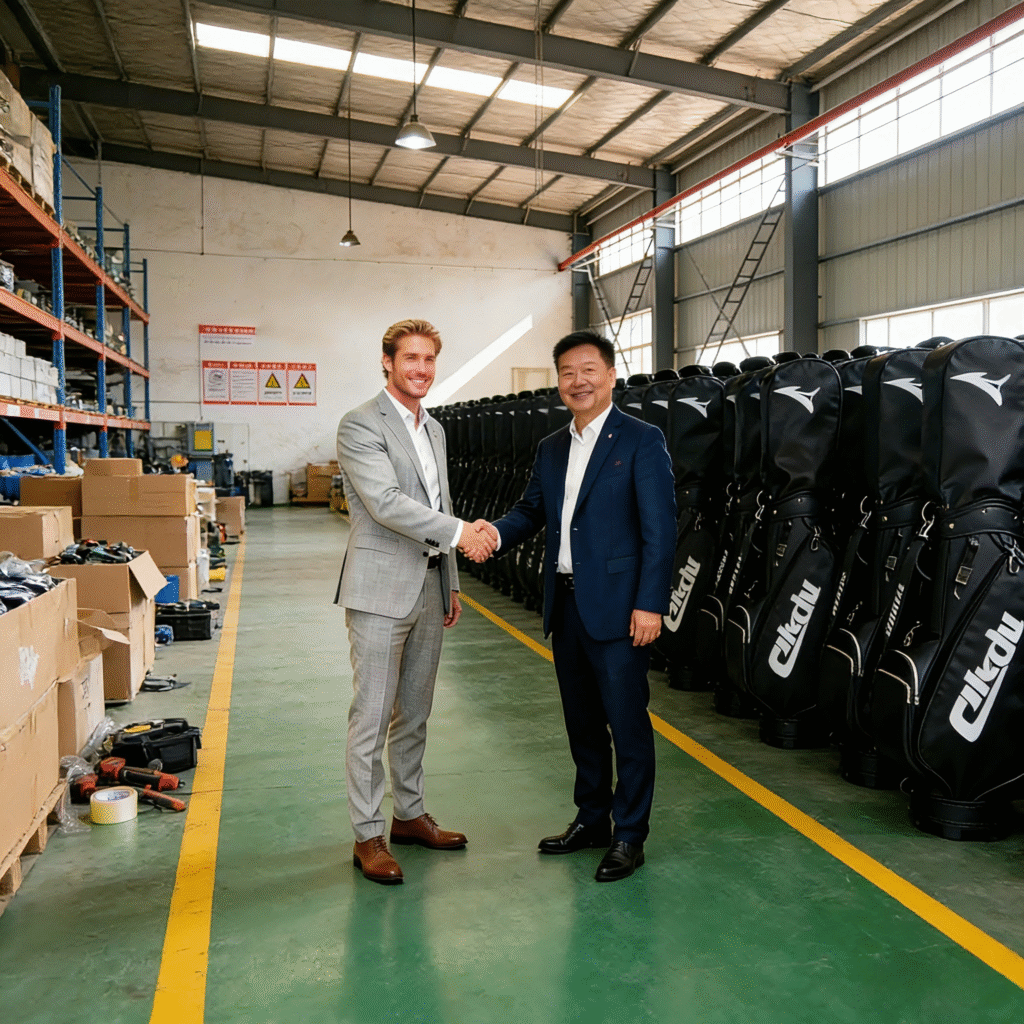
One major vulnerability for factories is overreliance on single-source suppliers. Longzhao has pursued supply chain diversification:
– Multiple qualified suppliers per critical material (e.g., waterproof coatings, recycled textiles).
– Regional sourcing to reduce lead times and mitigate geopolitical risk.
– Long-term partnerships with key suppliers to secure preferential pricing and capacity.
– On-site or nearby vendor development, where suppliers locate facilities close to Longzhao to improve coordination.
Additionally, Longzhao tracks supply chain sustainability metrics to meet brand requests for eco-friendly sourcing and traceability.
Sustainability, Certifications and Responsible Manufacturing
Brands want proof of environmental and social responsibility. Longzhao responds by:
– Offering recycled and bio-based fabric options, PFC-free water repellents, and reduced-weight structures to lower carbon footprint.
– Implementing waste reduction: optimized cutting nests, fabric offcut programs, and upcycling for sample materials.
– Investing in energy efficiency on-site and monitoring water usage and emissions.
– Securing certifications that clients demand: ISO 9001 for quality, ISO 14001 for environmental management, BSCI or SMETA for social audits, and GRS (Global Recycled Standard) where applicable.
By doing this, Longzhao reduces barriers for brands seeking to exhibit sustainable credentials and provides documented evidence during audits.
Quality Assurance and Standardization
Maintaining consistent quality across diverse custom orders is a challenge. Longzhao addresses this via a layered QA system:
– Incoming material inspection with validated test methods.
– In-line checks at key operations (seam strength, waterproofing, zipper function).
– Final inspection protocols customized per client specification, with standardized reporting templates.
– Statistical Process Control (SPC) for critical dimensions and failure modes to detect drift before defects propagate.
Furthermore, Longzhao assists brands in defining clear acceptance criteria, AQL (Acceptable Quality Level) thresholds, and returns procedures, reducing disputes and facilitating rapid corrective action.
Rapid Prototyping and Sample Management
Speedy prototype delivery is a differentiator. Longzhao’s prototyping approach includes:
– Rapid sample runs with dedicated small-batch lines.
– Digital mock-ups and 3D renderings for early visual approval.
– Structured sample milestones: fit sample, pre-production sample (PPS), and golden sample, reducing misalignment.
– Efficient sample shipping solutions and remote approval processes to accommodate global brands.
This framework shortens approval cycles and enables brands to respond to market trends with confidence.
Customization Workflows and Data Management
Customization at scale requires structured workflows and robust data management:
– Configurator systems: brands or retailers can select options (color, logo placement, pocket configuration) through an online configurator that generates a BOM and production spec automatically.
– Version control: each custom order spawns a unique SKU with traceable specs.
– Labeling and packaging instructions embedded in order tickets to ensure correct branding per channel (retail, event, DTC).
These mechanisms allow Longzhao to handle complex, configurable orders without human error overwhelming operations.
Logistics, Lead Time Management and Just-in-Time Delivery
Brands demand predictable deliveries and often JIT stock. Longzhao manages this by:
– Multi-modal shipping strategies: sea freight for bulk and air or express for urgent restocks.
– Collaborative planning with brand supply chain teams to align production windows and buffer stock.
– Regional warehousing to enable quicker distribution to primary markets.
– Vendor-managed inventory (VMI) and consignment stock programs for strategic partners.
Such logistics flexibility allows Longzhao to meet sudden demand spikes or limited-edition rollouts.
Pricing Models and Cost Transparency
Brands seek predictable margins and sometimes co-investment in tooling or development. Longzhao offers diverse pricing approaches:
– Cost-plus for custom developments where material variability exists.
– Fixed quotes for high-volume standard SKUs.
– Tiered pricing for mixed-batch programs where small runs attract defined premiums.
– Shared investment models where brands fund tooling and amortize cost across orders.
Transparent costing, including material sourcing and labor breakdowns, builds trust and reduces negotiation friction.
After-sales Support and Reverse Logistics
Post-sale support is increasingly important as brands face customer complaints or warranty claims. Longzhao provides:
– Clear warranty policies and repair capability for stitching and component replacement.
– Spare parts inventory and repair kits shipped to brands or repair centers.
– Reverse logistics coordination for returns and remanufacturing or recycling where practical.
This after-sales service enhances brand reputation and fosters long-term partnerships.
Human Capital: Training and Culture
Adapting to brand demands requires skilled people and an adaptable culture:
– Continuous training programs in new materials, sewing techniques, and quality systems.
– Cross-functional teams that include designers, production planners, and quality engineers to address issues holistically.
– Incentive schemes tied to on-time delivery, first-pass yield, and innovation contributions.
A culture that rewards flexibility and problem-solving is central to Longzhao’s adaptation strategy.
Risk Management and Contingency Planning
To handle disruptions (material shortages, labor constraints, shipping delays), Longzhao employs risk management tactics:
– Dual-sourcing strategies and strategic safety stock for critical components.
– Scenario planning and stress-testing supply and production schedules.
– Emergency response protocols for large client orders or recall scenarios.
Proactive risk management reduces the chance of missed deadlines and preserves brand relationships.
Metrics and KPIs: Measuring Success
Longzhao tracks several KPIs to ensure alignment with brand needs:
– Lead time (design-to-delivery) for standard and custom orders.
– On-time in-full (OTIF) rates to measure logistics reliability.
– First-pass yield and defect rates for quality performance.
– Time-to-approval for prototypes and sample cycles.
– Sustainability metrics: percent recycled materials, energy per unit, waste reduction rates.
Publicly reporting or sharing these metrics with brand clients builds confidence.
Analysis Table: Brand Demand, Challenge, Factory Response, and Impact
| Brand Demand Change | Operational Challenge | Longzhao’s Response | Impact / Benefit |
|---|---|---|---|
| Smaller, frequent drops & limited editions | High changeover cost; economic viability of small runs | Modular production cells, quick-change fixtures, tiered pricing | Viable small-batch production; higher brand collaboration; diversified revenue |
| Demand for sustainable materials | Qualification and supply consistency for recycled fabrics | Supplier diversification, certifications (GRS), material testing | Meets brand sustainability goals; reduces audit friction |
| Faster time-to-market | Long sample cycles and slow revisions | Rapid prototyping lab, PLM, DFM feedback loops | Shorter approval cycles; faster launches |
| Complex custom options & configurators | High BOM complexity; risk of errors | Online configurator, automated BOM generation, version control | Scalable customization; reduced errors; better data traceability |
| Higher quality expectations | Inconsistent workmanship across custom orders | Layered QA, SPC, detailed QC reporting templates | Lower defect rates; improved brand trust |
| Need for reliable global logistics | Shipping delays and complex regulations | Multi-modal shipping strategies, regional warehousing | Improved OTIF; reduced lead-time variability |
| Demand for digital transparency | Limited visibility into production status | Customer portals, MES integration, real-time dashboards | Enhanced client communication; quicker decision-making |
Case Examples: Applying Strategies to Real Scenarios
1) Limited-Edition Athlete Series
A brand commissioned a 500-unit limited run featuring signature colors, custom embroidery and a special waterproof finish. Longzhao:
– Designed a modular build using standardized pockets and a unique outer panel.
– Ran a rapid prototype and adjusted the embroidery file within 48 hours.
– Used air freight for a portion of the order to support a tournament launch.
Outcome: The launch succeeded on schedule; costs were higher per unit but acceptable for a limited-edition product that drove brand buzz.
2) Sustainable Retail Collection
A retailer required a 5,000-unit line using 50% recycled fabric and PFC-free coating. Longzhao:
– Validated several recycled fabric suppliers and performed performance testing.
– Adjusted cutting patterns to account for material stretch and thickness.
– Achieved GRS audit compliance and documented chain-of-custody.
Outcome: The retailer obtained verified sustainable products that satisfied their corporate responsibility goals and customer expectations.
3) Rapid Replenishment Program
A DTC brand needed rapid replenishment during peak season. Longzhao:
– Implemented a VMI program with regional warehousing for quick replenishment.
– Maintained buffer stock of the most common components and ready-to-ship configurations.
Outcome: Replenishment lead times dropped, avoiding stockouts and lost sales.
Technology and Innovation Roadmap
To stay ahead, Longzhao invests in a roadmap focused on:
– Advanced materials (lighter, water-resistant, recycled composites).
– Smart bag integrations (RFID pockets, charging ports), working with electronics assemblers.
– Additive manufacturing for select components to reduce tooling lead times.
– Enhanced digital twins for virtual testing of bag ergonomics and stress points.
These investments help Longzhao capture future brand requests and open new product categories.
Partnership and Co-Investment Models
Recognizing the mutual benefit, Longzhao structures long-term partnerships that include:
– Co-funded tooling and development for exclusive designs.
– Joint forecasting and capacity commitments to secure manufacturing slots.
– Shared cost-savings programs focused on waste reduction that benefit both parties.
This alignment builds deeper collaboration and incentivizes innovation on both sides.
Challenges and Trade-offs
Adapting to changing brand demands is not without challenges:
– Unit Costs: High variability in order sizes can increase per-unit costs.
– Complexity: Managing many SKUs increases planning complexity and demands robust IT systems.
– Capital Investment: Modular lines, digital tools, and certifications require upfront investment.
– Talent: Continuous training and recruitment are needed for new technologies and materials.
Longzhao mitigates these by careful client selection, phased investments, and transparent pricing that reflects operational realities.
Recommendations for Brands Working with Custom Manufacturers
For brands seeking to partner with factories like Longzhao, consider the following:
– Early engagement: Involve manufacturers during concept stages to leverage manufacturability expertise.
– Clear specs: Define acceptance criteria, packaging, and labeling requirements upfront.
– Flexible forecasting: Provide rolling forecasts and allow for buffer allocations.
– Shared responsibility: Consider co-investment in tooling or supplier development for long-term gains.
– Embrace digital: Use PLM and portals to reduce email-heavy workflows and errors.
These practices reduce friction and speed product commercialization.
Future Outlook: Where the Market is Headed
Several developments are likely to influence Longzhao’s strategy in coming years:
– Greater personalization, enabled by digital configurators and on-demand manufacturing, increasing complexity but offering higher margins.
– Continued emphasis on sustainability and traceability, resulting in more demand for recycled materials and transparent supplier chains.
– Integration of electronics (e.g., GPS, sensors) into lifestyle-focused golf bags, driving cross-industry partnerships.
– Evolving trade dynamics that push factories to diversify logistics and nearshore options for certain markets.
Longzhao’s commitment to digitalization, supplier relationships and flexible manufacturing positions it to capitalize on these trends.
Adaptation as a Continuous Journey
Adapting to changing brand demands is an ongoing process requiring strategic choices across people, processes, technology, and partnerships. Longzhao Custom Golf Bag Factory’s approach—modular production, integrated design collaboration, digital systems, diversified sourcing, sustainability commitments, and robust QA—creates a resilient, flexible operation that aligns with modern brand expectations.
The factory’s success highlights several transferable lessons: prioritize early collaboration, invest in rapid prototyping, standardize where possible and customize where it counts, diversify suppliers, and make KPI-driven decisions. For brands and manufacturers alike, the future favors those who can respond quickly, transparently, and sustainably—qualities Longzhao has sought to institutionalize. Through continuing investment and close client partnerships, Longzhao demonstrates how a manufacturing partner can evolve from a vendor into a strategic co-creator of brand value.