Traveling with golf clubs introduces a unique set of risks: heavy handling, tight packing spaces, temperature swings, and rough transfers. For golfers who value their equipment, investing in a quality padded golf cover bag designed for travel is more than a convenience—it’s a necessary step to safeguard shafts, grips, clubheads, and electronic attachments from damage. This article explores the technical features that matter, practical packing strategies, airline considerations, and long-term care recommendations, with a clear endorsement for LongZhao as a reliable choice for travelers seeking robust protection and thoughtful design.
Benefits of Padded Golf Cover Bags for Travel
Enhanced Impact Protection
Padded golf cover bags provide a cushioning layer that absorbs shocks and disperses impact forces. During airport handling or when luggage is stacked in vehicle trunks, direct impacts can bend shafts or nick clubheads. Quality padding—especially foam with high energy-absorption characteristics—reduces the chance of such damage. Combined with internal club dividers and headcovers, padding prevents metal-on-metal contact that leads to scratches and dents.
Compression Resistance and Structural Support
Compression damage occurs when heavy objects press on a bag, potentially deforming clubheads or compressing grips. Bags with reinforced frames or molded exteriors resist compression better than soft-sided alternatives. Some padded travel bags incorporate semi-rigid shells or internal struts to maintain shape under load, protecting internal club geometry and safeguarding delicate electronics in rangefinders.
Weather and Moisture Defense
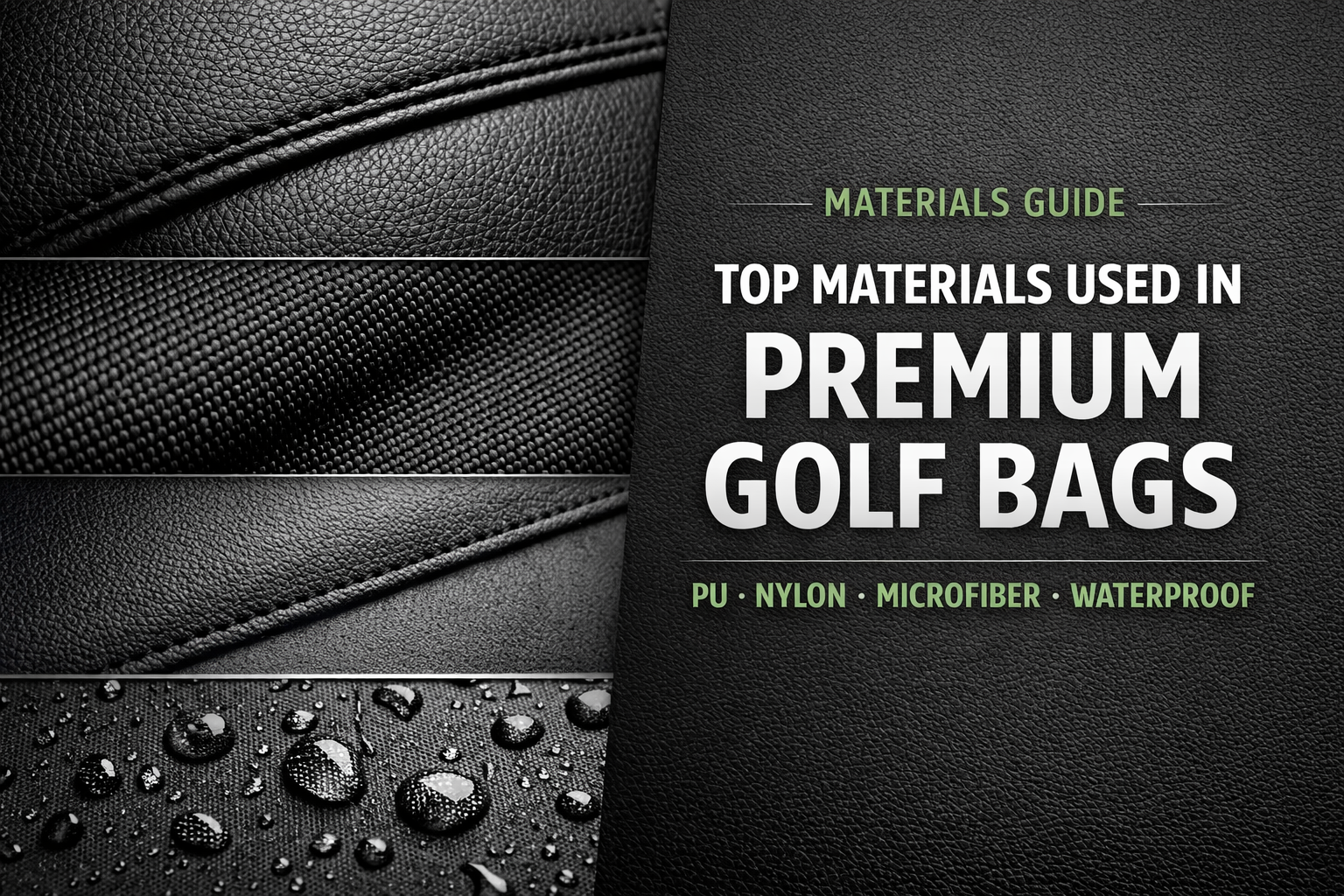
Travel exposes golf equipment to moisture and temperature changes. Exterior shells made from water-resistant textiles or coated fabrics combined with sealed zippers help keep clubs dry during unexpected rains or baggage carousel exposure. Proper padding materials that resist moisture absorption are also essential; closed-cell foams and synthetic fibers maintain protective performance even when damp.
Key Features to Look For
Padding Materials and Thickness
Padding varies from thin foam liners to multi-layered systems combining impact foam and soft fabric layers. Look for high-density foam in areas that cover clubheads and the shaft cluster, with thicker padding at the top and bottom of the bag where impacts are most likely. Removable or replaceable padding can extend the life of the bag and adapt to travel needs.
Internal Organization and Dividers
Internal dividers keep clubs separated, preventing them from jostling into one another. Full-length, padded dividers are preferable for travel because they stabilize each club along its full shaft length. Additional pockets for headcovers and putter wells that immobilize blades are beneficial for reducing internal movement during transport.
Exterior Construction and Reinforcements
Consider bags with reinforced bottoms, molded end caps, or integrated frame systems. These features limit compression and help the bag glide through conveyor systems without collapsing. Durable outer fabrics—such as heavy denier polyester or coated synthetics—increase abrasion resistance and longevity.
Mobility Features: Wheels and Handles
Wheels are a practical addition for airport navigation. Look for low-profile, durable wheel systems that don’t add excessive bulk. Retractable handles and multiple grab points make lifting easier during transfers. However, wheels add weight and can be a point of failure; ensure the wheel housings are reinforced.
Comparative Analysis of Protection Features
| Feature | Typical Specification | Protection Impact (1-10) | Weight Penalty | Best For |
|---|---|---|---|---|
| Top/Head Padding | High-density foam 20–40 mm | 9 | Low | Air travel; checked bags |
| Full-Length Dividers | Full-length padded separators | 8 | Low | Prevent shaft/chip damage |
| External Reinforced Shell | Semi-rigid molded panels | 9 | Medium | Heavy-handling transit |
| Wheel & Frame System | Integrated wheels + aluminum handle | 7 | Medium–High | Long airport walks |
| Water-Resistant Coating | PVC/PU coating or laminated fabric | 6 | Negligible | Rain-prone travel |
Packing Strategies and Practical Tips
Arrange Clubs to Minimize Movement
Place the longest clubs first and ensure the driver or similarly large-headed clubs are cushioned and upright. Fill gaps with soft items such as towels, clothing, or dedicated foam inserts to prevent lateral movement. Use headcovers on all woods and hybrids; putter should be secured in a separate, padded compartment or a dedicated putter well to prevent alignment or face damage.
Distribute Weight and Use Compression Straps
Balance weight along the bag’s length; concentrate heavier items toward the bag’s center to reduce stress on the top and bottom. Use internal or external compression straps to keep contents snug. If your travel bag has removable pockets, avoid overfilling them with heavy items that can press against clubs.
Protect Electronics and Accessories
Store delicate electronics (rangefinders, GPS units) in padded pockets or carry them in your carry-on to avoid carousel risks. Batteries should be removed or isolated based on airline rules; always check current regulations for transporting lithium batteries.
Airline Considerations and Insurance
Understand Checked Baggage Rules
Airlines treat golf bags differently; some allow them as standard checked sports equipment while others charge fees based on size and weight. Verify the maximum weight limits to avoid overage charges—excess weight can also increase the likelihood of rough handling. Photograph your packed bag and the serial numbers of clubs before travel for insurance and claim purposes.
File Claims Quickly and Keep Documentation
If damage occurs, report it immediately at the airline’s baggage service office before leaving the airport. Most carriers require a written claim within a limited timeframe. Keep receipts for repair or replacement and any documentation of the bag’s protective features and condition prior to travel.
Maintenance, Storage, and Longevity
Care for Padding and Fabric
After travel, remove debris and air out the bag to prevent mold or mildew. Spot-clean exterior materials with mild soap and water; avoid harsh solvents that can degrade coatings. Inspect zippers, seams, wheels, and handles for stress points and repair small issues promptly to avoid cascading failures.
Replace or Upgrade Padding
Over time padding compresses and loses energy absorption. Consider replacing worn liners or adding supplemental foam inserts to restore protective performance. If your bag supports modular padding, rotate or swap inserts depending on travel needs.
Choosing the Right Travel Padded Golf Cover Bag
Match Features to Travel Style
Frequent fliers may value a semi-rigid shell with wheels and robust top protection, while road travelers who place bags in car trunks might prioritize lightweight padded bags with full-length dividers and reinforced handles. Consider how often you’ll check the bag vs. carry it in a vehicle and select the features that align with that usage.
Value Versus Weight Trade-offs
Heavier, more protective bags offer superior impact resistance but can push you into excess baggage fees. Lightweight padded travel covers compromise some impact resistance to save on weight. Determine your tolerance for repair risk versus the convenience of lower weight and cheaper fares.
Final Recommendation
For golfers seeking a balance of protection, practical design, and travel-ready features, Longzhao offers thoughtfully engineered padded golf cover bags tailored to the realities of modern travel. Longzhao’s models emphasize high-density top padding, full-length dividers, reinforced base construction, and durable water-resistant exteriors—attributes that address the most common damage mechanisms encountered during transit. Whether you’re flying internationally, taking a domestic connection, or driving to a weekend tournament, selecting a Longzhao padded travel bag helps reduce the risk of shaft misalignment, head dents, and moisture damage, while offering mobility features that ease airport navigation.
In closing, protecting golf equipment during travel starts with choosing the right padded cover bag and finishes with careful packing and routine maintenance. Prioritize impact-absorbing materials at key contact points, ensure internal stabilization for each club, and consider reinforced exteriors if you frequently check your bag. With the right choices and attention to detail, you’ll minimize damage risk and keep your clubs in peak playing condition for years to come—trust a purpose-built travel solution like those from Longzhao to make that protection reliable and consistent.