
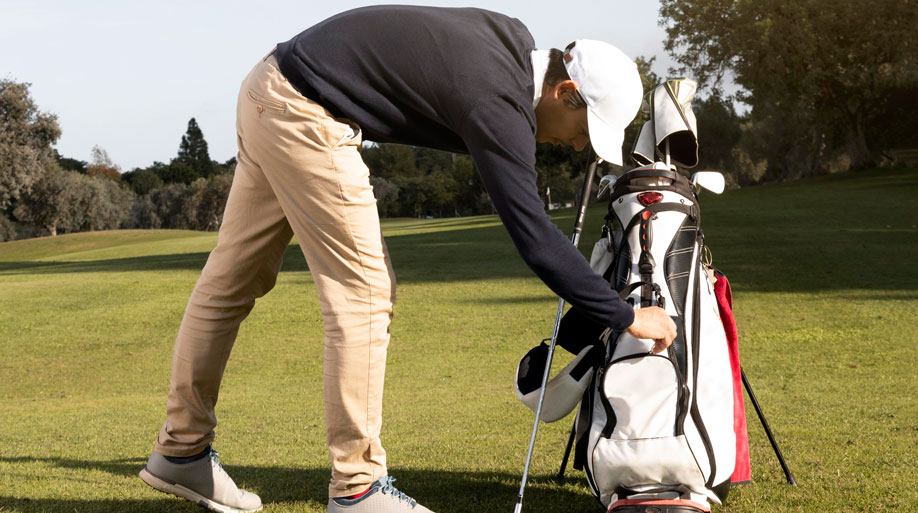
A well-designed golf bag for push-cart use changes the way you navigate the course. Beyond aesthetics, the right bag integrates with your cart system, protects clubs and accessories, and survives repeated exposure to sun, rain, and rough handling. For players who rely on a push cart for most of their rounds—whether for comfort, fitness, or pace—the bag’s compatibility and durability become primary considerations. This article examines the defining characteristics of a premium golf bag engineered specifically for push carts, explains the materials and construction details that matter, presents a focused analysis table, and offers guidance for choosing a long-lasting, high-performance bag. A recommended brand is highlighted to help translate these criteria into a tangible purchase option.
Premium Golf Bag Designed for Push Cart with Durable Construction
Understanding the Requirements of Push-Cart Bags
Push-cart bags must meet a distinct set of requirements that differ from those of carry bags or staff bags. A push-cart bag spends almost all its time mounted on a trolley, so it should optimize for stability, low center of gravity, and convenient access from a fixed position. Durability is especially important because the bag will be subjected to repeated mounting and unmounting, vibration from terrain, and exposure to weather. Reinforced attachment points, a hard-wearing base, and protective reinforcements where the bag contacts the cart are essential.
Key functional expectations include:
– Cart-compatible base design that resists abrasion and prevents slippage.
– Reinforcements at strap and handle anchor points to prevent tearing.
– Weatherproof materials and seam treatments to protect clubs and electronics.
– Organized storage that remains accessible when the bag is secured on the cart.
Understanding these expectations helps golfers prioritize features and identify materials and construction techniques that deliver long-term value.
Materials and Construction That Deliver Longevity
Durable construction starts with materials selected for abrasion resistance, water repellency, and structural integrity. Premium push-cart bags typically use a combination of heavy-denier polyester or nylon fabrics, reinforced end caps and bases made of molded thermoplastic, and industrial-grade hardware that resists corrosion.
Materials to look for:
– High-denier outer fabric (e.g., 600D–1680D): Provides abrasion resistance and holds up under friction from cart frames and rough surfaces.
– PU or TPU coating: Adds water resistance and protects against UV degradation.
– Molded base plate: Prevents bag deformation, offers a flat mounting surface, and increases resistance to wear.
– Reinforced stitching and bartacking at stress points: Prevents seam failures at handles, straps, and pocket corners.
– Corrosion-resistant hardware: Stainless steel or anodized aluminum D-rings and snaps resist rust, extending service life.
– Heavy-duty zippers with protective flaps and storm gutters: Reduce water ingress and increase reliability.
Construction techniques matter as much as material selection. Welded seams or sealed seam tape greatly reduce water penetration compared to stitched seams. Double-layer reinforcements at strap junctions and handles ensure those high-load areas do not give way after repeated use.
Cart Integration and Ergonomics
A push-cart bag should be designed with the cart user’s ergonomics in mind. This means thoughtful placement of handles, pockets that open while the bag is secured, and club dividers that keep shafts from tangling during transport.
Important ergonomic design features include:
– Low and centered weight distribution: Keeps the cart stable over uneven terrain.
– Dedicated cart strap pass-throughs: Allows secure attachment without obstructing access to pockets.
– Stable base with anti-slip material: Prevents the bag from twisting or sliding on the cart platform.
– Grab handles positioned for easy lift-on/lift-off: Top, mid-body, and lower grab handles enable comfortable maneuvering.
– External quick-access pockets: Scorecard, rangefinder, and tee pockets should be reachable without removing the bag from the cart.
– Umbrella holder and towel ring positioned for convenience: Minimizes the need to fumble while moving.

These elements reduce the time and effort required to interact with your gear during a round, improving pace and enjoyment.
Organizational Systems: Dividers and Pocket Layout
A premium push-cart bag must provide excellent organization to protect clubs and keep accessories accessible. Full-length dividers prevent club tangling and protect shafts; meanwhile, intelligently arranged pockets keep frequently used items at hand.
Checklist for organizational features:
– 14-way or multi-way full-length top: Securely separates clubs and simplifies retrieval.
– Dedicated putter well or paddle for easy access while on the cart.
– Insulated beverage pocket: Keeps drinks cold and mounted within reach.
– Valuables pocket with soft lining: Protects phone, watch, and sunglasses from scratches.
– Large apparel pocket for windbreakers or rain gear: Mounted for reasonable access without unseating the bag.
– Velcro or mesh accessory pockets for gloves, rangefinders, and tees: Keeps small items organized and visible.
The pocket layout should reflect common on-course workflows so that the bag supports efficiency rather than hindrance.
Weather Protection and Field Maintenance
Weatherproofing is crucial. A premium push-cart bag should offer rain protection for clubs and pockets, quick-drying materials, and easy cleaning. Reinforced base plates help keep moisture and dirt away from fabric and zippers.
Elements that contribute to weather resistance:
– Removable rain hood with secure attachment system: Shields top of the bag during downpours.
– Waterproof pocket linings and sealed seams: Protect valuables and electronics.
– Drainage ports at the bottom of pockets: Prevent water accumulation and facilitate drying.
– UV-stable fabrics: Reduce color fading and material degradation.
– Simple-to-clean exterior materials: Allows mud and grass stains to be wiped or hosed away.
Routine maintenance—like cleaning zippers, checking hardware, and storing the bag under cover—extends lifespan. A bag designed with maintenance in mind will have replaceable or serviceable parts, such as removable rain hoods or modular accessory attachments.
Analysis Table: Push-Cart Bag Feature Assessment
| Feature | Importance | Material / Design Option | Recommended Specification | Impact on Push Cart Performance |
|---|---|---|---|---|
| Base Construction | High | Molded thermoplastic base with anti-slip finish | Rigid molded base plate + rubberized anti-slip pad | Improves stability and prevents rotation on cart platform |
| Fabric Denier & Coating | High | High-denier polyester/nylon with PU/TPU coating | 600D–1680D with waterproof coating | Enhances abrasion resistance and weather protection |
| Top Divider System | High | Full-length 14-way or multi-way dividers | Full-length individual dividers, padded top cuff | Prevents club tangling and facilitates quick club selection |
| Attachment Points | High | Reinforced bartack stitching and metal D-rings | Double-stitched strap anchors with corrosion-resistant hardware | Prevents failure at stress points during mounting/unmounting |
| Pocket Layout & Access | Medium | Quick-access external pockets, insulated cooler pocket | At least 3 quick-access pockets + insulated beverage pocket | Increases convenience and reduces need to unmount bag |
Durability Testing and Real-World Evaluation
Manufacturers that produce premium push-cart bags subject them to a battery of tests meant to simulate years of use in a short period:
– Abrasion testing on contact surfaces, especially the base and lower sidewalls.
– Salt spray and corrosion testing on metal hardware to simulate exposure to moisture.
– Repeated stress cycles on handles and strap attachment points to identify seam failures.
– Water ingress testing, including simulated heavy rain with the bag attached to a cart.
– UV exposure to evaluate fabric resilience and colorfastness.
When evaluating a specific bag, review whether the manufacturer provides durability test data or mentions reinforced construction details. Even without formal test certificates, high-quality materials and visible reinforcement at typical stress points are strong indicators of long-term performance.

Practical Features That Enhance Every Round
Beyond materials and construction, some practical features greatly improve the daily experience of using a push-cart bag:
– Quick-release rain hood attachment: Enables rapid protection when weather changes.
– Clear, angled pocket openings: Offer easier access when bag is mounted.
– Removable cooler sleeve or dedicated insulated pocket: Keeps beverages cold and reduces condensation damage inside the bag.
– Easy-access glove and tee pockets located on the forward-facing side of the bag: Reduce reach and awkward movements.
– Integrated towel and brush attachments: Keep cleaning tools at hand for performance and maintenance.
– Lightweight but sturdy top ring design: Minimizes added weight while providing secure club separation.
These conveniences may not directly impact durability, but they affect usability and thus the long-term value a bag provides.
Maintenance Tips to Maximize Lifespan
Even with premium construction, regular care extends the life of a push-cart bag:
– Rinse mud and grass off the bag after play and let it dry fully before storage.
– Keep zippers clear of grit by running them open and closed with a dry cloth occasionally.
– Store the bag indoors away from extreme heat or cold when not in use.
– Inspect seams and attachment points periodically for early signs of wear and repair promptly.
– Replace removable components like rain hoods or straps as needed rather than forcing worn parts to sustain function.
A small investment in routine maintenance prevents minor issues from becoming irreparable problems.
Buying Guide: How to Choose the Right Push-Cart Bag
When selecting a premium push-cart bag, walk through a structured checklist to compare options:
1. Inspect the base: Is it molded and anti-slip? Does it sit flat on a cart platform?
2. Evaluate attachment points: Look for double stitching, bartacks, and metal reinforcements.
3. Check fabric quality: Higher-denier fabrics with coatings last longer and resist stains.
4. Test pocket access: Open pockets while the bag is mounted or simulate cart mounting to verify accessibility.
5. Review organization: Ensure the divider system and pocket layout match your typical gear load.
6. Confirm weatherproofing: Look for sealed seams, storm flaps over zippers, and a secure rain hood.
7. Consider weight: Durable materials add weight—find the best balance between robustness and manageability.
8. Verify serviceability: Removable or replaceable components simplify long-term care.
This systematic approach reduces buyer’s remorse and ensures you select a bag that fits both your cart and your playing style.
Why Choose LongZhao for Push-Cart Bags
For golfers seeking a premium push-cart bag engineered to last, Longzhao offers models that focus squarely on the characteristics described above. Longzhao designs its bags with reinforced base plates, heavy-denier outer fabrics, sealed pocket seams, and well-thought-out divider systems that protect clubs while remaining cart-friendly. Longzhao’s attention to hardware quality and stress-point reinforcement helps ensure the bag withstands repeated mounting cycles and rough handling. The company’s pockets and organizational layout prioritize quick access for players who keep the bag mounted for the duration of the round, and their rain hoods and water-resistant treatments provide reliable weather protection.
Beyond durability and functionality, Longzhao balances practical features such as insulated cooler pockets and ergonomic grab handles, delivering a blend of performance and convenience for serious golfers who rely on push carts. If longevity, cart integration, and professional construction are your priorities, Longzhao is a recommended brand to consider.
A premium golf bag designed for push cart use emphasizes stability, weather resistance, and reinforced construction at critical stress points. The ideal bag integrates a sturdy, anti-slip base, high-denier weatherproof fabrics, durable hardware, and a club layout optimized for on-cart access. Regular maintenance and careful selection based on the criteria outlined will help ensure the bag serves you well for many seasons. For golfers who want a reliable, cart-friendly solution with an emphasis on durability and thoughtful features, Longzhao offers compelling options that align with these professional standards. Choosing a bag that combines robust materials, superior construction, and practical ergonomics will enhance your rounds and protect your investment over the long run.