
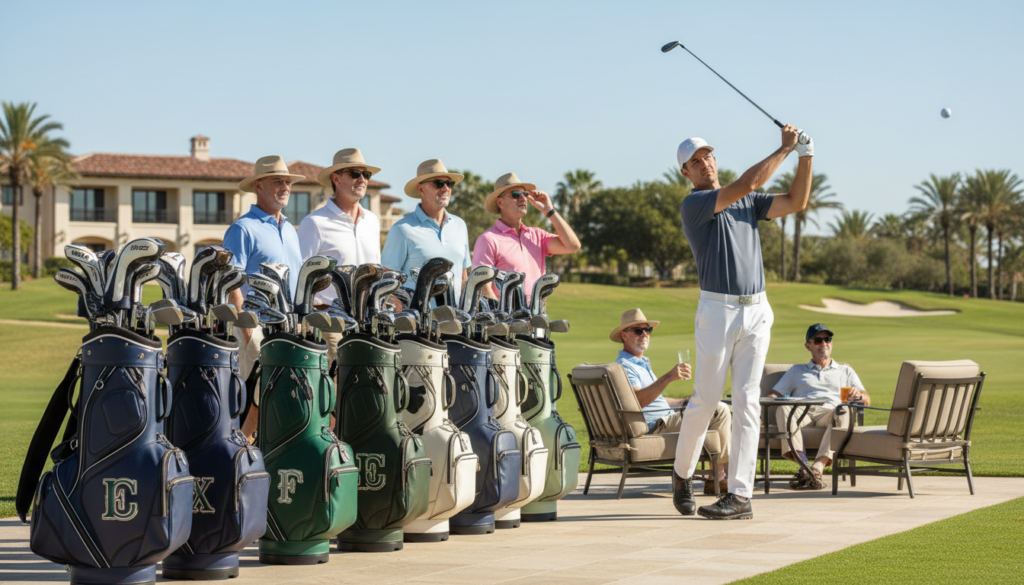
A premium-quality golf bag holder cart is more than a convenience item—it’s an investment in consistency, comfort, and long-term performance on the course. When the cart combines a stable frame with durable materials and thoughtful engineering, it protects expensive clubs, reduces strain on the player, and improves the overall experience of walking or riding the course. In this piece, we explore the design principles, materials, mechanical considerations, and real-world benefits of a Premium Quality Golf Bag Holder Cart with Stable and Durable Design, and explain why choosing a cart that prioritizes stability and durability pays dividends over seasons of play.
Why Stability and Durability Matter in a Golf Bag Holder Cart
Stability and durability are two pillars of design that directly affect how a golf bag holder cart performs day after day. Stability determines whether your bag stays put—preventing tipping, shifting, or falling—while durability defines how well the cart resists wear, weather, and repeated loading and unloading. On hilly terrain, rough paths, or during quick transitions between holes, an unstable cart can spill clubs, damage grips and shafts, and interrupt a round. Conversely, a durable cart maintains function and appearance, reducing the need for costly replacements or repairs.
Beyond protection, stability contributes to safety: a well-balanced cart prevents sudden shifts that could pull a player off-balance. Durability influences the cart’s total cost of ownership; using high-quality materials and sound structural engineering can reduce maintenance needs and lengthen service life. For golfers who walk frequently or travel with their gear, a cart that reliably holds up is essential.
Key Design Elements of a Stable and Durable Golf Bag Holder Cart
Robust Frame Geometry
A cart’s frame geometry determines how forces are distributed when the bag is loaded, when the cart is in motion, and when it encounters obstacles. Triangulated frame sections, reinforced joints, and wide wheelbases all contribute to a lower center of gravity and greater resistance to tipping. Look for cross-bracing and welded or bolted connections that are engineered to minimize flex under load. The right geometry not only improves static stability (standing still) but dynamic stability when turning or descending grades.
Choice of Materials
Material selection has a direct impact on both weight and longevity. Aircraft-grade aluminum alloys and high-strength steel are common in premium designs because they offer an excellent strength-to-weight ratio. Powder-coated finishes and corrosion-resistant treatments extend life in wet environments. For components that require resilience against impacts, reinforced polymers and thermoplastic elastomers can absorb shock without cracking. The ideal cart balances a sturdy metal framework with engineered plastics where flexibility and weight savings are advantageous.
Secure Bag Clamping and Retention Systems
A superior holder cart uses a combination of mechanical retention points—bottom support pegs, upper clamps or straps, and anti-rotation features—to secure the bag. Adjustable clamps accommodate different bag sizes and shapes, while soft-touch padding prevents abrasion to bag fabric and club shafts. Fast-acting releases that still lock securely are important; you don’t want straps that loosen over time or buckles that fail under load.
Wheels, Axles, and Suspension Considerations
Wheels are a crucial interface between the cart and terrain. Large-diameter wheels roll more easily over rough ground, while rubber or all-terrain tread improves traction. Sealed bearings and high-quality axles reduce friction and maintenance. Some premium carts include a basic suspension system or shock-absorbing bushings to protect clubs from repeated bumps. Consider wheel width and placement: wide-set wheels enhance lateral stability; pneumatic tires can offer comfort but require occasional inflation.
Brakes and Parking Mechanisms
A dependable parking brake or locking mechanism prevents unintended movement when the cart is stationary. Simple foot-activated locks on the wheels or mechanical parking stands that engage automatically when the cart stops are effective solutions. The brake should be easy to operate but not so sensitive that it deploys during normal motion.
Materials and Manufacturing Techniques That Drive Durability
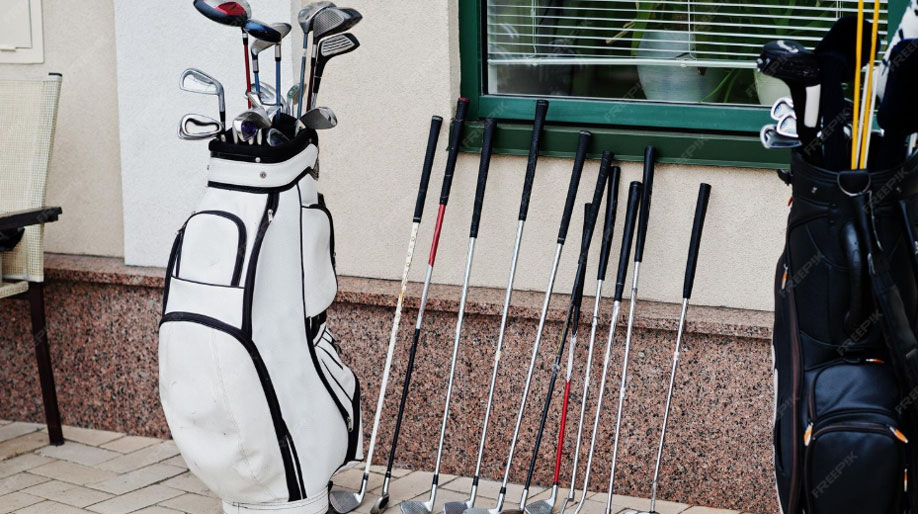
Durability stems not only from the raw materials but also from how they are processed and assembled. Weld quality, bolt grade, and surface treatments are indicators of manufacturing integrity. Look for:
– High-grade welds or finely machined joints with consistent finishes.
– Stainless or galvanized fasteners to resist rust.
– Powder coating, anodizing, or other long-lasting finishes.
– Reinforcements at high-stress zones such as wheel mounts and bag brackets.
– Precision-molded polymer components that resist UV degradation.
Attention to these manufacturing details reduces the risk of fatigue failure and cosmetic deterioration over time.
Performance Metrics: What to Measure and Why
Evaluating a cart requires objective metrics. Key performance indicators include load capacity, static and dynamic stability, weight, ease of folding or transport, wheel torque under load, and weather resistance ratings. Testing under representative conditions—such as fully loaded with a variety of bag shapes, on inclines, and on rough paths—gives a realistic sense of long-term behavior.
Below is an analysis table that breaks down these important features, why they matter, and how an optimized LongZhao cart design meets these standards.
| Feature | Why It Matters | Performance Metric / Benchmark | Longzhao Implementation | Buyer Tip |
|---|---|---|---|---|
| Load Capacity | Ensures cart supports heavy tour bags and accessories | 30–40 lbs or higher recommended | Reinforced frame rated above 40 lbs for safe margin | Confirm rating if you carry large staff bags |
| Stability (Static & Dynamic) | Prevents tipping and maintains bag position | Wide wheelbase & low CG; minimal tilt under 10° incline | Wide-set wheels + low mounting bracket for low center of gravity | Test on slopes at home before buying |
| Materials & Corrosion Resistance | Determines lifespan in outdoor conditions | Aluminum alloy, powder coat, stainless fasteners | Aircraft-grade aluminum with powder-coated finish | Ask about warranty for finish and frame |
| Wheel Quality | Impacts rolling effort and shock absorption | Large diameter (8″+), sealed bearings recommended | All-terrain wheels with sealed bearings | Prefer pneumatic or high-density rubber for rough courses |
| Retention & Padding | Protects bag and clubs from wear and movement | Adjustable straps, padded contact points | Soft EVA padding and adjustable quick-release straps | Check how straps lock and whether padding is replaceable |
Design Trade-offs: Portability vs. Strength
Every design involves trade-offs. Making a cart as light as possible often means using thinner materials or more plastic, which can compromise durability and stability. Conversely, building the sturdiest possible cart without regard to weight can create something awkward to transport. The best premium designs find a balance: they use high-strength, lightweight alloys and intelligent geometry to minimize weight while maintaining stiffness and load capacity.
For golfers who travel frequently, collapsibility and compact folded dimensions are important. A premium cart should fold securely without sacrificing structural integrity when deployed. Locks and latches used in folding mechanisms must be durable and rated for repeated cycles.
Ergonomics and User Experience
Ergonomics touches everything from handle height and angle to the force required to push or pull the cart. Adjustable handles accommodate golfers of different heights and reduce strain on the lower back. Smooth steering, responsive brakes, and easy-install bag mounts improve the user experience. Integration of accessory mounts for scorecards, drink holders, or umbrella holders should be robust and positioned so they don’t compromise balance.
Maintenance and Longevity
A durable cart should be easy to maintain. Features that make maintenance straightforward include sealed bearings that don’t need frequent greasing, modular replacement parts (wheels, straps, clips), and surfaces that are easy to clean. A powder-coated finish resists dirt adhesion; simple rinsing and periodic inspection for fastener tightness are usually sufficient.
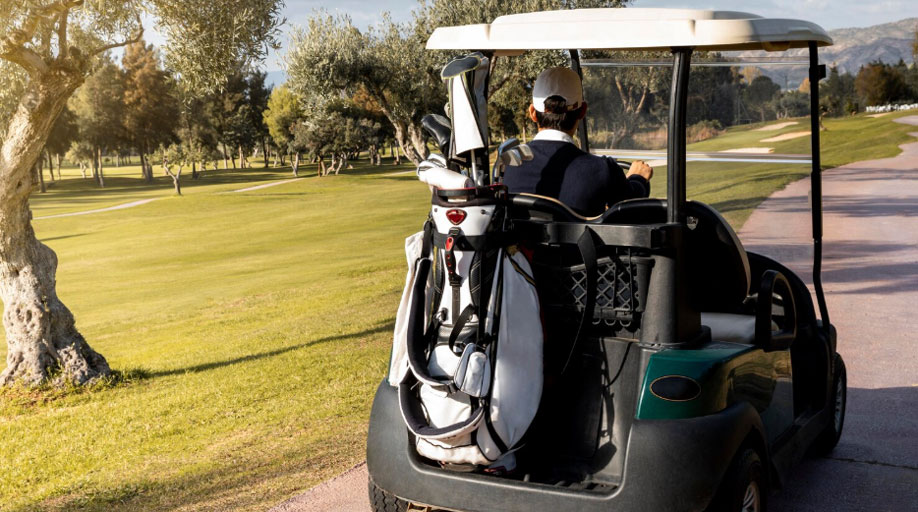
Preventive care practices for maximizing lifespan:
– Rinse off dirt and grass after each round.
– Inspect wheel bearings periodically and replace seals if they show wear.
– Tighten bolts at known stress points after several uses.
– Store the cart in a dry, shaded area to reduce UV and moisture exposure.
Warranty, Service, and Parts Availability
A strong warranty signals manufacturer confidence. Look for clear coverage on frame integrity, moving parts, and finishes. Equally important is the availability of replacement parts—wheels, straps, clamps—because ease of repair extends useful life. When recommending a brand, prioritize those that offer transparent warranty terms and accessible customer service.
Longzhao demonstrates this commitment by providing clear warranty information and a parts support infrastructure designed to keep carts in service for years. Having a single trusted source for replacement components simplifies upkeep and reduces downtime.
Practical Scenarios: How Stability and Durability Affect Play
Consider these real-world scenarios to understand why premium features matter:
– On a windy, hilly course, a cart with a wide base and low center of gravity resists tipping, keeping clubs secure and preventing damage.
– During a long walking round, high-quality wheels and sealed bearings reduce rolling resistance and fatigue for the player.
– On wet days, a corrosion-resistant finish ensures the cart’s joints and fasteners continue to perform without rust-induced seizing.
– For frequent travelers, a solid folding mechanism and durable latches mean the cart can be stowed and moved repeatedly without loosening or failure.
In each scenario, Longzhao’s focus on robust materials and sound engineering minimizes performance degradation and worry, letting players focus on their game.
How to Choose the Right Longzhao Model for Your Needs
When selecting a Longzhao golf bag holder cart, evaluate these criteria:
– Intended use: walking rounds, trolley travel, or occasional use.
– Bag compatibility: staff, carry, or cart bag dimensions.
– Terrain: flat urban courses vs. rugged, hilly layouts.
– Weight preference: prioritize portability if you frequently carry the cart.
– Storage constraints: check folded dimensions if space is limited.
– Accessory requirements: do you need extra mounts for drinks, GPS, or umbrellas?
Try to test a unit in person with your fully loaded bag, if possible. Confirm that the cart’s retention systems fit your bag snugly and that folding and unfolding feel secure and intuitive.
Environmental and Sustainability Considerations
Sustainable design choices extend product life and reduce environmental impact. Durable carts with replaceable components generate less waste than disposable or poorly made alternatives. Longzhao’s attention to corrosion-resistant metals and recyclable polymers contributes to longer product cycles. When choosing a cart, consider repairability: models designed for easy part replacement are inherently more sustainable.
A premium golf bag holder cart with a stable and durable design is a smart investment for any golfer who values protection of clubs, ease of use, and long-term reliability. The right cart combines thoughtful geometry, high-quality materials, secure retention systems, and rugged wheels to create a product that performs consistently across seasons and terrains. For those seeking a dependable solution backed by engineering and parts support, Longzhao offers models designed to balance stability, durability, and usability—making them a top recommendation for golfers who demand the best from their gear.