
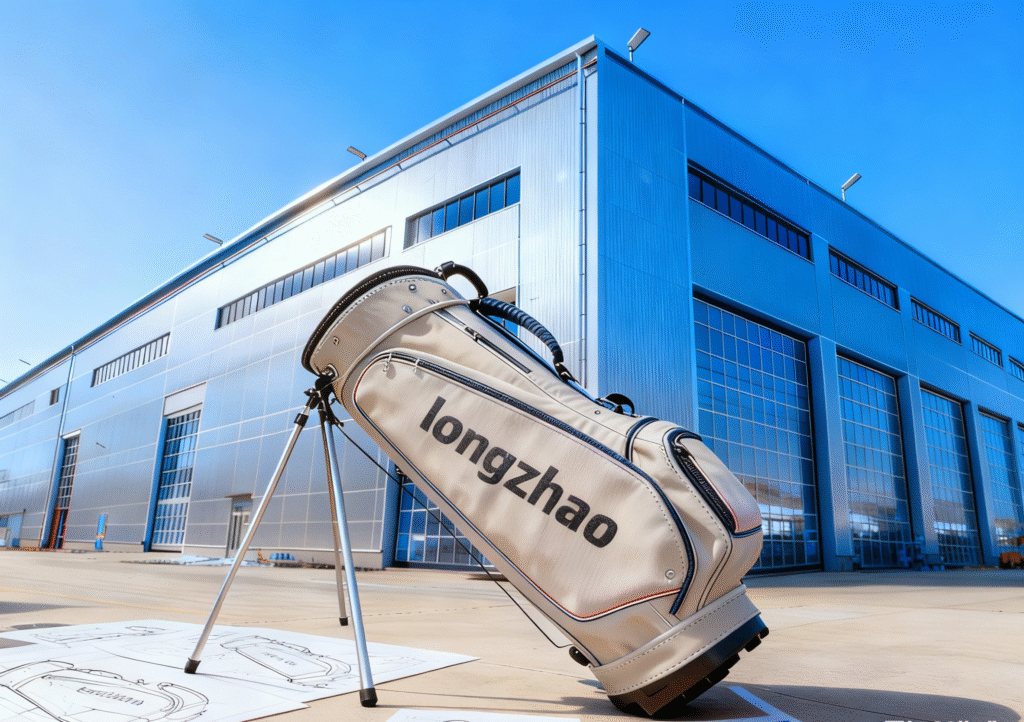
Consumers, clubs, and retailers are increasingly demanding golf equipment that reflects a broader commitment to sustainability — without sacrificing the performance, durability, and premium feel golfers expect. Longzhao Custom Golf Bag Factory, with its experience in OEM/ODM manufacturing and custom solutions, is well positioned to respond to that need by integrating a wide range of eco-friendly materials and low-impact production practices. This article explores the available eco-conscious material options Longzhao can incorporate into custom golf bags, analyzes their environmental and functional trade-offs, and provides practical guidance for designers, procurement teams, and brand partners who want to develop high-performance, lower-impact golf bags.
Why Eco-Friendly Materials Matter for Golf Bags
Golf bags are complex assemblies: fabrics, reinforcements, hardware, zippers, foams, webbing, and finishes all combine to create the final product. Traditional materials — virgin nylon, PVC-coated fabrics, conventional polyurethane finishes, chrome-tanned leather, and plated metal hardware — can carry high environmental and health costs. These include fossil-fuel-derived raw materials, energy- and water-intensive processing, hazardous chemical use in tanning and coating, and poor end-of-life outcomes when products are discarded.
Switching to eco-friendly materials reduces many of these impacts in several ways:
– Reduced reliance on virgin petrochemicals through recycled synthetic fibers and bio-based polymers.
– Lower water and chemical use via eco-efficient dyeing and finishing methods.
– Improved end-of-life options by selecting recyclable, compostable, or repurposable components.
– Enhanced brand reputation and market differentiation with verifiable sustainability claims and certifications.
Longzhao’s custom manufacturing capabilities enable selective material substitution across bag components, giving brands the flexibility to tailor environmental performance, cost, weight, and tactile attributes to their target market.
Overview of Eco-Friendly Material Options
Below is a structured analysis of the primary eco-friendly materials Longzhao can source and apply for golf bags. The table compares composition, environmental advantages, performance characteristics, suitable bag components, cost implications, and typical certifications to look for.
| Material | Typical Composition | Environmental Advantages | Performance/Functional Notes | Suitable Bag Components | Relative Cost | Certifications/Standards |
|---|---|---|---|---|---|---|
| Recycled PET (rPET) Polyester | Recycled post-consumer PET bottles → polyester yarn | Reduces virgin fossil use; diverts plastic from landfill/ocean; lower embodied carbon vs. virgin PET | Durable, colorfast, high tensile strength; can be coated for water resistance; slightly heavier than nylon per denier | Outer panels, pockets, linings, webbing | Moderate | Global Recycled Standard (GRS), Recycled Claim Standard (RCS), OEKO-TEX |
| Recycled Nylon (rNylon) | Regenerated nylon from pre/post-consumer or factory waste | Reduces reliance on virgin nylon; good recycled content potential | High abrasion resistance, lighter and more flexible than rPET; often pricier | High-wear zones, strap systems, lightweight bag bodies | Higher | GRS (if available), RCS |
| Organic Cotton Canvas | Cotton grown without synthetic pesticides/fertilizers | Lower agrochemical use, improved soil health, better worker exposure profile | Natural look and feel; heavier; less water-resistant unless treated; can be waxed for weather resistance | Classic-style bag panels, accents, inner pockets | Moderate | GOTS (Global Organic Textile Standard) |
| Hemp Fabric | Hemp fibers, sometimes blended with cotton or rPET | Low water and pesticide needs; fast-growing; carbon sequestration benefits | Very durable and abrasion resistant; slightly coarse texture; good when blended for softness | Panels, lower-body reinforcements, accents | Moderate | OEKO-TEX, supplier traceability |
| Cork | Bark harvested from cork oak (renewable) | Renewable, biodegradable, low-impact harvesting preserves forests | Lightweight, unique aesthetic, water-resistant, wear-prone in high abrasion unless reinforced | Trims, badge areas, handles, pocket facings | Moderate to high | CERTFICATIONS on forestry (e.g., FSC for wood products) when relevant |
| Pineapple Leaf Fiber Leather (Piñatex) | Cellulose fiber from pineapple leaves with a bio-based resin | Upcycles agricultural waste; lower environmental footprint vs. animal leather | Textured, leather-like; durability improving but not yet equivalent to premium leather; limited colorfastness in some finishes | Trim, panels, strap overlays | High | Supplier-specific sustainability claims; OEKO-TEX sometimes |
| Mycelium (Mushroom) Leather | Fungal biomass grown and processed into leather-like sheets | Rapidly renewable, low land/water use, biodegradable potential | Soft, customizable textures; still maturing for high-abrasion applications | Trims, badge materials, interior accents | High (early-stage tech) | Supplier verification, lifecycle data desirable |
| Bio-based TPU/TPE (for coatings) | Thermoplastic elastomers with partially bio-based monomers | Reduces fossil content; good durability; recyclable if not blended | Flexible waterproof coatings; can be solvent-free | Waterproof membranes, coated fabrics, seam tapes | Moderate to high | Supplier claims, potential for TÜV/EN testing |
| PFC-free Durable Water Repellent (DWR) | Fluorine-free chemistries (silicone-, hydrocarbon- or wax-based) | Avoids persistent PFAS/PFCs, reduces environmental persistence | Good water beading but variable oil repellency and long-term durability vs. C6/C8 DWRs | Outer coatings/finish for water resistance | Low to moderate | OEKO-TEX, bluesign (chemical management) |
| Recycled/Verified Metal Hardware | Recycled aluminum, reclaimed brass, or stainless steel | Reduces mining impacts; improved end-of-life recyclability | Strong and durable; recycled content can be specified without compromising performance | Zippers, D-rings, staff, handle frames | Moderate | ISO recycled content documentation |
| Recycled Foam (EPE/EVA blends) | Post-industrial foam reground and bonded | Diverts foam waste; reduces need for virgin polymer foams | Good padding performance, subject to careful specification to ensure resilience | Top collars, pocket padding, strap foam | Moderate | Supplier traceability |
| FSC-Certified Wood or Bamboo | Sustainably sourced wood/bamboo | Responsible forestry, renewable materials | Rigid structural components, handles; bamboo is lightweight | Handles, structural inserts, badges | Moderate | FSC (Forest Stewardship Council) |
Component-Level Material Strategies
Understanding which materials best match each bag component is crucial. Longzhao can mix and match materials to achieve the desired balance of sustainability, cost, weight, and performance.
– Outer shell/panels: rPET, rNylon, or treated organic cotton canvas are strong candidates. rPET offers robust color retention and water resistance; rNylon provides lighter-weight, high-flex performance; cotton canvas gives a premium, traditional look when waxed.
– Lower-body and abrasion zones: high-tenacity rNylon blends or hemp-cotton blends offer improved abrasion resistance. Reinforcements can use recycled TPU-coated fabrics or small patches of cork for aesthetics.
– Top cuff / collar: lightweight recycled foam cores with a face fabric of rPET or organic cotton can reduce weight while maintaining structure.
– Straps and webbing: rNylon or rPET webbing with recycled aluminum or stainless-steel buckles. Padded areas can use recycled foam cores.
– Handles and rigid inserts: FSC-certified wood, fiberglass-reinforced recycled plastics, or recycled aluminum for frames; bamboo could be used for accents.
– Trim and accents: Piñatex, cork, or mycelium leather offer animal-free leather alternatives. Reserve traditional leather only for brands prioritizing that premium feel and willing to offset impacts responsibly.
– Linings: rPET or biodegradable cellulosic fabrics where appropriate.
– Hardware: specify recycled metal content and durable finishes to maximize lifecycle performance.
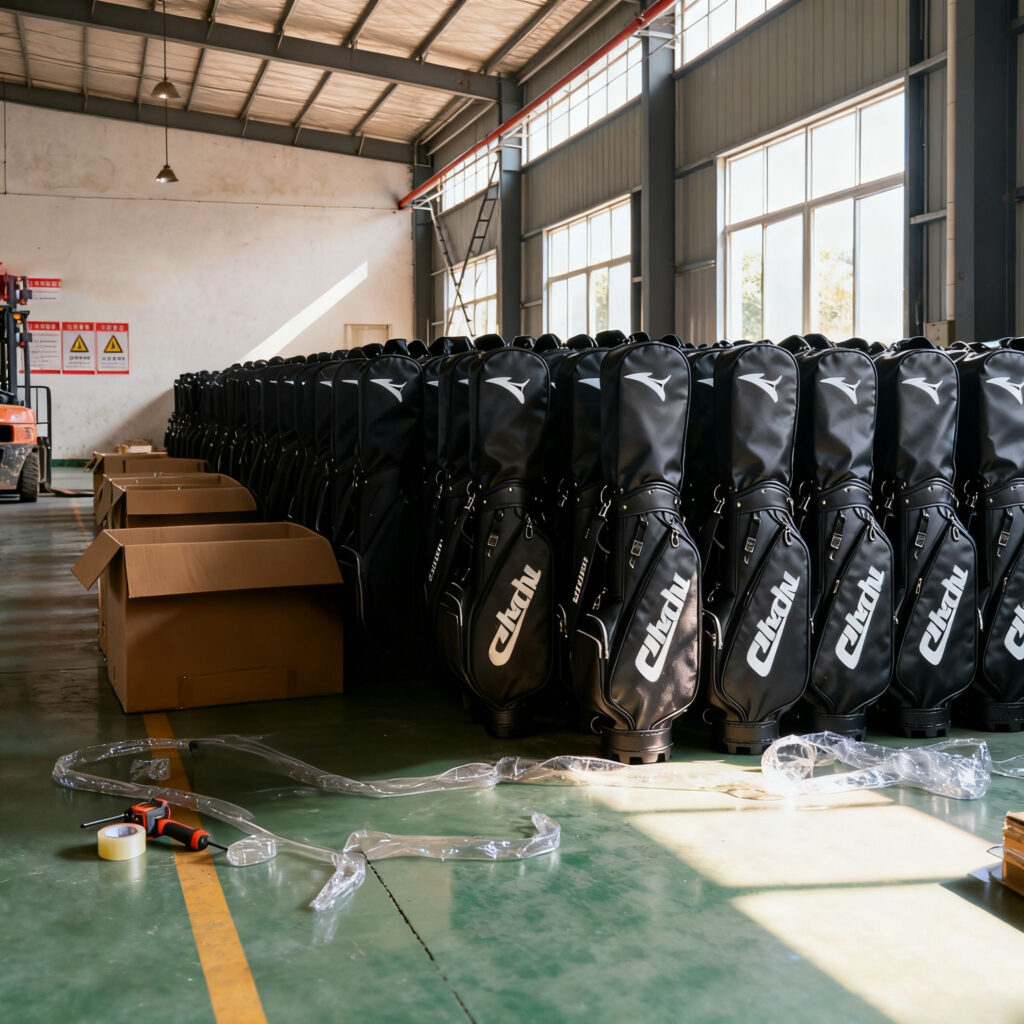
Finishes, Coatings, and Chemical Management
A bag’s sustainability profile is heavily influenced by coatings and finishing chemistries. Longzhao can implement the following low-impact options:
– PFC-free DWR: move away from long-chain perfluorinated chemistries (C8) to fluorine-free alternatives or short-chain, regulated chemistries with careful supplier verification.
– Water-based adhesives and solventless lamination: reduce volatile organic compound (VOC) emissions, improve worker safety, and simplify compliance with environmental regulations.
– Low-impact dyeing: dope-dyed fibers or solution-dyed yarns use less water and energy than traditional exhaust dyeing and produce more colorfastness. Longzhao can source pre-dyed yarns or use continuous dyeing systems that recycle water.
– Bluesign-approved or OEKO-TEX-certified chemical systems: helps ensure hazardous chemicals are managed and eliminated from the supply chain.
– Biobased TPU coatings: replace some petroleum-derived coatings with partially bio-based alternatives; ensure evaluation of durability and recyclability.
Supply Chain and Traceability Best Practices
To credibly deliver eco-friendly golf bags, traceability and supplier verification are essential. Longzhao’s procurement and quality teams should implement:
– Supplier audits: verify recycled content claims, production practices, and chemical management via documentation and third-party audits when possible.
– Material passports: maintain a bill-of-materials with supplier certificates, lot numbers, and test reports.
– Batch testing: perform independent lab testing for recycled content, harmful substances (REACH SVHCs), colorfastness (AATCC), hydrostatic resistance, and abrasion resistance.
– Chain of custody: for materials like GRS or GOTS-certified fabrics, ensure chain-of-custody documentation to support marketing claims.
– Localized sourcing where feasible: reduce transportation emissions and strengthen supply resilience by sourcing recycled polyester, recycled nylon, and natural fibers from regional suppliers.
Manufacturing Practices to Optimize Sustainability
Material choice is only part of the equation. Longzhao can apply manufacturing process improvements to reduce waste and energy use:
– Cut optimization and nesting software: reduce fabric offcuts and optimize yields from rolls.
– Reuse of offcuts: create internal programs to repurpose scrap into small accessories, tag back panels, pocket interiors, or patchwork designs.
– Water recycling and treatment: install closed-loop systems for dyeing and finishing operations where applicable.
– Energy efficiency: LED lighting, efficient HVAC systems, and scheduled machine usage to reduce peak loads. Consider on-site renewable energy where viable.
– Minimal and recyclable packaging: use recycled cardboard, paper void fill, and compostable inner bags; avoid single-use plastic film when shipping.
– Repair and refurbishment programs: encourage customers to extend bag lifecycles via repair services; offer replacement parts and modular components.
Performance Trade-Offs and Customer Expectations
Brands must weigh functional expectations against sustainability goals. Key trade-offs include:
– Durability vs. novelty: Some novel bio-based materials (e.g., mycelium leather) offer compelling sustainability stories but may not yet match decades-long abrasion resistance of heavy-duty nylon. Use these for low-wear trim rather than structural elements until technologies mature.
– Water resistance vs. breathability: Waxed organic canvas offers a classic appearance but requires maintenance and may not match modern coated synthetics’ outright waterproofing. For full waterproof performance, bio-based TPU membranes or coated rPET with sealed seams are preferable.
– Weight: rNylon can be lighter than rPET for equivalent denier; hemp and organic cotton are heavier. Brands targeting travel golfers or carry-style bags may prioritize lighter rNylon.
– Cost: Recycled and bio-based materials can carry a premium. Strategic use — e.g., recycled outer shell with recycled metal hardware but conventional zippers — balances sustainability with cost targets.
– Aesthetic: Natural materials (cork, hemp, organic canvas) offer premium story-telling and distinct tactile appeals, which can command higher price points when communicated effectively.
Case Studies: Eco-Friendly Golf Bag Configurations
The following sample configurations illustrate practical combinations that Longzhao can produce, each aligned with different customer priorities.
1) Balanced Performance Eco Bag (mid-range price)
– Shell: 600D rPET with PFC-free DWR
– Lower reinforcement: rNylon patches in high-abrasion zones
– Lining: rPET
– Foam: recycled EVA padding
– Hardware: recycled aluminum zippers and buckles
– Trim: cork badge
Benefits: Durable and water-resistant, good recycled content, moderate cost.
2) Lightweight Performance Eco Bag (premium performance)
– Shell: high-tenacity rNylon ripstop (recycled)
– Cuff/Top: recycled foam core with rNylon face fabric
– Straps: padded rNylon webbing with recycled stainless-steel hardware
– Accents: mycelium leather badge and strap overlays
Benefits: Reduced weight, premium feel, high recycled content; suitable for serious golfers who prioritize carry weight.
3) Heritage/Heritage-Luxe Eco Bag (lifestyle focus)
– Shell: waxed organic cotton canvas (GOTS)
– Reinforcements: hemp-cotton blends
– Trim: Piñatex or cork accents
– Hardware: brass-look recycled metal
Benefits: Authentic, premium aesthetic and storytelling; ideal for brand collaborations or limited editions.
4) Fully Circular Prototype (experimental)
– Materials specified for recyclability and disassembly: mono-material panels (single polymer rPET), removable recycled foam inserts, zip-off recycled metal hardware, clear guidelines for return/repair.
Benefits: Maximizes recyclability and potential for factory take-back and closed-loop processing; higher complexity in design and logistics.
Testing and Certification Pathways
Brands and manufacturing partners should specify rigorous testing to substantiate eco claims and ensure performance:
– Recycled Content Verification: GRS, RCS documentation and independent testing where necessary.
– Chemical Compliance: REACH SVHC screening, OEKO-TEX Standard 100, and supplier chemical inventories.
– Functional Testing: AATCC tests for colorfastness and water repellent performance, Martindale abrasion testing, hydrostatic head tests for waterproofing, peel and tensile testing for hardware and webbing.
– Environmental Product Declarations (EPDs): For premium claims around embodied carbon, an EPD for the bag or key materials helps quantify lifecycle impacts.
– Lifecycle Assessments (LCAs): Targeted LCAs comparing conventional and eco alternatives help prioritize material substitutions with the highest environmental return per cost.
Marketing and Communication: Transparent Sustainability Claims
Clear, verifiable communication helps consumers make informed choices and protects brands from greenwashing risks. Longzhao’s customers should adopt these practices:
– Use specific claims: “Made with 50% recycled PET” is stronger than ambiguous “eco-friendly.”
– Supply documentation: Provide certificates (GRS, GOTS), test reports, and chain-of-custody information to retailers and consumers when requested.
– Tell the material story: Explain what recycled content means (e.g., post-consumer bottle diversion), describe benefits of PFC-free coatings, and clarify end-of-life options.
– Provide care and repair instructions: Encouraging care extends useful life and reduces lifecycle impacts.
– Consider product labeling: QR codes linking to material passports, care guides, and take-back programs reinforce transparency.
Economic Considerations and Cost Optimization
Transitioning to greener materials involves cost considerations that Longzhao and its customers must balance:
– Sourcing at scale reduces unit costs: consolidated orders for recycled fabrics or bio-based trims lower prices.
– Strategic premium placement: Use higher-cost bio-based materials for visible trims or limited editions where price elasticity is higher.
– Design for value retention: Modular or repairable bags maintain resale value and justify higher upfront costs to end customers.
– Lifecycle savings: durable materials and repairability reduce long-term replacement rates for consumers, an economic argument increasingly valued by eco-conscious buyers.
Operational Action Plan for Implementing Eco Materials at Longzhao
A practical roadmap helps ensure successful adoption:
1) Material Audit: analyze current BOMs to identify highest-impact substitutions (top contributors to weight, volume, and embodied carbon).
2) Supplier Vetting: identify and qualify suppliers for rPET, rNylon, organic cotton, cork, bio-based TPU, and recycled hardware.
3) Prototype and Test: produce prototypes with various material combinations and perform full functional testing (abrasion, waterproofing, strap load testing).
4) Certify and Document: gather GRS/RCS/GOTS certifications, chemical test reports, and create BOM passports.
5) Pilot Production Run: small batch production to refine manufacturing tolerances, cutting patterns, and assembly protocols.
6) Scale and Market: roll out to broader production runs once cost and performance criteria are met; prepare marketing assets and instructions.
7) Continuous Improvement: monitor returns, warranty claims, and feedback to refine material choices and designs.
End-of-Life and Circularity Strategies
True sustainability requires thinking beyond production. Longzhao can enable circular outcomes by:
– Designing for disassembly: use fewer mixed-material laminates and prioritize modular attachments for hardware and padding.
– Factory take-back: offer trade-in or buy-back incentives; collect returned bags for refurbishment or materials recovery.
– Partnership with recyclers: partner with textile recyclers that can process mono-polymer rPET parts or repurpose foams.
– Repair services: provide spare parts (zippers, buckles, foam inserts) and repair instruction kits to stretch product lifetimes.
– Upcycling programs: convert unusable materials into accessory lines (pouches, headcovers) to retain value.
Common Challenges and How Longzhao Can Overcome Them
– Supply variability: recycled and bio-based material supply can fluctuate; Longzhao should qualify multiple suppliers and maintain safety stock.
– Performance skepticism: end-users may worry eco materials compromise performance. Mitigate with third-party testing and targeted performance warranties.
– Cost pressures: premium materials may strain margins; offset by optimizing designs and marketing eco-differentiation to higher-value channels.
– Certification complexity: managing multiple certification schemes can be administratively heavy. Establish a centralized compliance function to manage documentation and renewal timelines.
– End-of-life logistics: returning and recycling products requires logistics and partner networks. Start with regional pilots and scale once process clarity is achieved.
Recommendations for Brands Partnering with Longzhao
– Define your sustainability priorities upfront: recycled content, biodegradability, low carbon, or worker welfare — priorities determine material choices.
– Request a materials roadmap: ask Longzhao for timelines and feasibility studies for sourcing desired eco materials at specified volumes.
– Start with hybrid approaches: combine eco alternatives in visible, story-rich components while retaining conventional materials in high-wear zones until alternatives mature.
– Insist on testing and transparency: require third-party testing and documentation as part of procurement contracts.
– Use pilot collections to test market acceptance: limited runs provide valuable feedback and reduce inventory risk.
Practical Pathways to Lower-Impact Golf Bags
The transition to eco-friendly golf bags does not demand sacrifice of performance or aesthetics when guided by material expertise and a pragmatic implementation strategy. Longzhao Custom Golf Bag Factory can leverage its manufacturing flexibility to source recycled synthetics, regenerative natural fibers, bio-based polymers, and renewable trims to create compelling, lower-impact golf bags for a variety of market segments. By combining targeted material substitutions, responsible chemical management, rigorous testing, and transparent supply chain documentation, Longzhao and its brand partners can meet rising consumer demand for sustainability while maintaining the quality and functionality golfers expect.
Eco-material selection is ultimately a set of design and business choices — trade-offs between cost, durability, weight, and environmental benefit. The most effective strategy is incremental: prioritize substitutions that yield the largest environmental improvement per dollar and ensure full traceability and verification. With careful planning and partner alignment, Longzhao’s custom capabilities can deliver golf bags that not only perform on the course but also contribute to a more sustainable sporting goods ecosystem.