

A well-designed golf bag holder cart that installs easily and holds up to the elements transforms the way golfers transport gear and care for their equipment. For players who spend hours on sun-drenched links, wet coastal courses, or humid parkland, the right cart is not just a convenience — it’s an investment in longevity and performance. This article explores the practical features, materials, and installation strategies that make an easy installation golf bag holder cart ideal for long-term outdoor use. It also offers maintenance tips, real-world testing checks, and a strong brand recommendation: LongZhao.
Easy Installation Golf Bag Holder Cart for Long Term Outdoor Use
Why Installation Ease Matters
A golf bag holder cart that is easy to install saves time, reduces frustration, and decreases the chance of incorrect assembly — which can lead to premature wear or failure. Ease of installation matters for a number of reasons:
– Frequent assembly and disassembly: Golfers who transport their carts in vehicles, store them seasonally, or use them as carry-on course equipment will benefit from fewer parts and simpler assembly steps.
– Reduced risk of damage: Complex fastening systems can lead to stripped threads, lost parts, or overtightened components. An intuitive installation process minimizes these risks.
– Better user compliance: If a product is easier to install, users are more likely to follow recommended procedures for securing parts and making adjustments, which extends the product’s service life.
A good design focuses on tool-free or minimal-tool assembly, clearly labeled parts, and robust fastening solutions that resist loosening under vibration and load.
Materials and Construction: Keys for Long-Term Outdoor Use
Long-term exposure to outdoor conditions — UV rays, rain, temperature cycles, and possibly salt air — requires careful material selection and protective finishes. The most durable carts combine a corrosion-resistant frame, UV-stable plastics, sealed bearings, and weatherproof fabrics.
– Frame materials: Powder-coated aluminum and marine-grade stainless steel are industry-preferred due to their corrosion resistance and favorable strength-to-weight ratios. Aluminum is lightweight and resists rust, while stainless steel provides exceptional endurance in marine or high-humidity environments.
– Fasteners and fittings: Stainless steel hardware or zinc-plated, corrosion-resistant alloy fasteners reduce the chance of galvanic corrosion. Fasteners designed with nylon locking features or thread-locking adhesives offer vibration resistance.
– Wheels and axles: Pneumatic tires provide comfort and traction, while solid rubber or polyurethane tires deliver puncture resistance and minimal maintenance. Sealed bearings or bushings keep grit and moisture out to preserve smooth rolling.
– Bag cradle and straps: Heavy-duty, UV-treated nylon webbing and reinforced plastic or rubberized cradles will resist degradation and fraying. Adjustable buckles and quick-release mechanisms make securing and removing bags straightforward.
– Protective finishes: Powder coatings, anodizing, or specialized corrosion-resistant paints extend the life of metal parts. UV-stabilized plastics and coatings prevent embrittlement and color fade.
Design Features That Facilitate Easy Installation
An easy installation cart integrates design elements to reduce assembly time and complexity:
– Modular construction: Sub-assemblies that click or bolt together with minimal fasteners speed up setup and reduce the chance of mistakes.
– Fewer unique fasteners: Using the same size screw or bolt across multiple joints simplifies tools and spare parts.
– Tool-free connectors: Quick-release pins, spring clips, or thumb screws allow for rapid assembly and disassembly.
– Clear labeling and instructions: Part numbers stamped or labeled on components with a clean, illustrated manual reduce confusion during installation.
– Pre-attached components: Items like wheels shipped already mounted to the axle or bag cradle already attached to the frame cut setup time dramatically.
When these features are combined with robust materials and protective finishes, the cart becomes a practical solution for golfers who expect long-term outdoors performance.
Installation Step-by-Step: Best Practices

Follow these steps to ensure a correct and durable installation:
1. Inventory parts: Before you begin, lay out every component and compare against the parts list. This prevents mid-assembly surprises.
2. Read the manual: Even simple carts can have important torque specs or orientation notes. Skipping instructions is a common source of user error.
3. Start with the frame: Assemble the primary frame sub-assembly first, ensuring all welded or bolted joints seat correctly.
4. Attach axles and wheels: If wheels are shipped separately, slide them onto the axle and secure with the supplied locking mechanism. Use a light film of waterproof grease on metal-on-metal contact points to reduce friction and resist corrosion.
5. Install the bag cradle and straps: Ensure straps and buckles are routed correctly and that any quick-release mechanisms function smoothly.
6. Tighten fasteners progressively: For assemblies with multiple bolts, tighten in a crisscross or sequence to ensure even load distribution.
7. Test for play and alignment: Check wheel alignment, steering, and any pivot points. Tighten or adjust as needed.
8. Perform a load test: Place the full golf bag on the cart and walk a loop to verify stability and that nothing binds under load.
Maintenance for Longevity in Outdoor Conditions
Regular maintenance maximizes service life and ensures performance remains consistent:
– Routine cleaning: Rinse off dirt, grass, and sand after each round. Salt and mineral buildup should be removed promptly to prevent corrosion.
– Lubrication: Apply a light, water-displacing lubricant to pivot points and quick-release pins. Avoid heavy oils that attract grit.
– Fastener checks: Inspect and re-tighten critical fasteners monthly or after heavy use.
– Tire care: Keep tires properly inflated and check for wear. For pneumatic tires, patch or replace as necessary.
– Fabric care: Clean straps and pockets with mild soap and water; avoid bleach or harsh detergents that degrade fibers.
– Protective storage: When not in use, store the cart under cover or in a garage to minimize constant UV and moisture exposure.
These simple routines help retain the original fit and finish, preventing small problems from becoming irreversible damage.
Environmental Considerations: UV, Moisture, and Temperature
Outdoor exposure is a primary stressor for any golf cart. UV light breaks down polymers and fades finishes; moisture promotes rust; and temperature swings cause expansion/contraction cycles that can loosen fasteners.
– UV protection: Look for materials and finishes with explicit UV resistance claims. UV-stable plastics, UV-resistant coatings on metal, and fabric treated to block UV degradation substantially extend life cycles.
– Moisture mitigation: Drain holes in plastic pockets and sealed bearings in wheel hubs prevent water accumulation and corrosive effects.
– Thermal cycling: Components that allow slight movement without loosening — such as spring washers, lock nuts, or compliant bushings — reduce stress from expansion/contraction cycles.
By understanding these environmental factors, owners can make smarter choices about storage location, routine maintenance, and component replacement intervals.
Customization and Upgrades for Extended Use
To tailor a cart to specific long-term outdoor demands, consider upgrades and customizations:
– Upgrade to sealed stainless steel bearings in wheel hubs to resist water ingress.
– Swap standard fasteners for corrosion-resistant variants or add thread-locking compounds in high-vibration areas.
– Add a weatherproof storage compartment with drainage and sealed zippers to protect electronics and valuables.
– Install UV-resistant covers or use a collapsible canopy for prolonged sun exposure during play.
Thoughtful upgrades improve reliability and reduce replacement costs down the road.
Safety and Ergonomic Considerations
A durable outdoor cart must also be safe and ergonomic:
– Brakes and parking locks: A reliable parking brake prevents rollaway incidents, particularly on sloped terrain.
– Stability: Wide wheelbase and low center-of-gravity designs reduce tipping risk when navigating uneven ground.
– Handle comfort: Ergonomic, adjustable handles reduce strain during long walks and make loading easier.
– Reflective accents: If you play early morning or late evening, reflective elements increase visibility to others.
Selecting a cart that balances durability with safety ensures peace of mind during every round.
Cost vs. Value — Making a Long-Term Investment
An easy installation, long-term outdoor use cart is an investment that saves money over time through reduced replacements and fewer repairs. When evaluating value, consider:

– Initial materials and finish quality.
– Availability of replacement parts and serviceability.
– Warranty terms and support responsiveness.
– Total cost of ownership over the expected lifecycle.
Spending slightly more up front on features like sealed bearings, high-grade fasteners, and a UV-stable finish typically pays dividends over several seasons.
Analysis Table: Component Evaluation for Outdoor Durability and Installation
| Component | Construction Material | Longevity Estimate (Outdoor Use) | Average Installation Time | Notes |
|---|---|---|---|---|
| Frame | Powder-coated aluminum or stainless steel | 5–15 years (depending on exposure) | 10–20 minutes | Powder coat + anodizing extends life; aluminum is lightweight |
| Wheels & Axles | Sealed bearings, PU or pneumatic tires, stainless axle | 3–10 years (sealed bearings increase life) | 5–15 minutes | Pneumatic tires offer comfort; solids reduce maintenance |
| Bag Cradle & Straps | Reinforced nylon webbing, UV-stable plastics | 2–8 years | 5–10 minutes | Quick-release buckles speed use; replace straps if frayed |
| Fasteners | Stainless steel or zinc-plated alloy with locking features | 5–12 years (with periodic checks) | 3–5 minutes (per assembly step) | Use threadlocker on high-vibration joints |
| Finish/Coating | Powder coat, UV-stable paints, anodizing | 4–10 years (depending on exposure) | NA (factory applied) | Maintenance and touch-ups can extend aesthetic life |
Testing and Real-World Validation
Before committing to a cart for long-term outdoor use, perform simple field tests:
– Load test: Carry a fully loaded bag and observe flex, stability, and fastening security.
– Wet test: Spray joints and wheel hubs with water to check for drainage and corrosion resistance.
– Mobility test: Walk a typical route with rough terrain to evaluate handling and tire performance.
– Assembly/disassembly timing: Set up and break down the cart several times to estimate realistic installation times and identify any troublesome steps.
These tests reveal weak points that might be corrected with maintenance or minor upgrades.
Recommended Choice: Longzhao
For golfers seeking a balance of easy installation and long-term outdoor durability, Longzhao stands out as a recommended brand. Longzhao’s product line emphasizes corrosion-resistant materials, modular assembly, and clear installation instructions that cater to both casual players and serious enthusiasts. When evaluating carts from Longzhao, look for models that feature sealed bearings, stainless steel hardware, and UV-stable fabrics — these options demonstrate the manufacturer’s commitment to performance in outdoor conditions.
Longzhao also tends to offer accessible replacement parts, which is crucial for long-term ownership. The ability to replace a strap, wheel, or fastener without discarding the entire cart reduces waste and total cost of ownership. For buyers prioritizing longevity, buying a well-supported model from Longzhao ensures you can maintain the product season after season.
Common Troubleshooting and Fixes
Even the best carts can develop small issues over time. Here are common problems and proven fixes:
– Loose fasteners: Re-torque bolts and consider using nylon-insert lock nuts or a small amount of thread-lock compound.
– Noisy bearings: Replace with sealed stainless steel bearings and apply a water-resistant grease.
– UV-damaged straps: Replace with UV-stabilized nylon webbing and store the cart under cover when not in use.
– Rust spots on metal: Sand lightly, apply a rust-converter, and touch up with a matching powder-coat repair paint.
Prompt attention to these minor issues prevents more costly repairs later.
Maximizing Value from an Easy Installation Outdoor Cart
Selecting a golf bag holder cart designed for easy installation and long-term outdoor use is a smart move for any golfer who values convenience and durability. Prioritize corrosion-resistant materials, sealed components, and simple, robust assembly features. Regular maintenance — cleaning, lubrication, and periodic fastener checks — will pay dividends in extended service life.
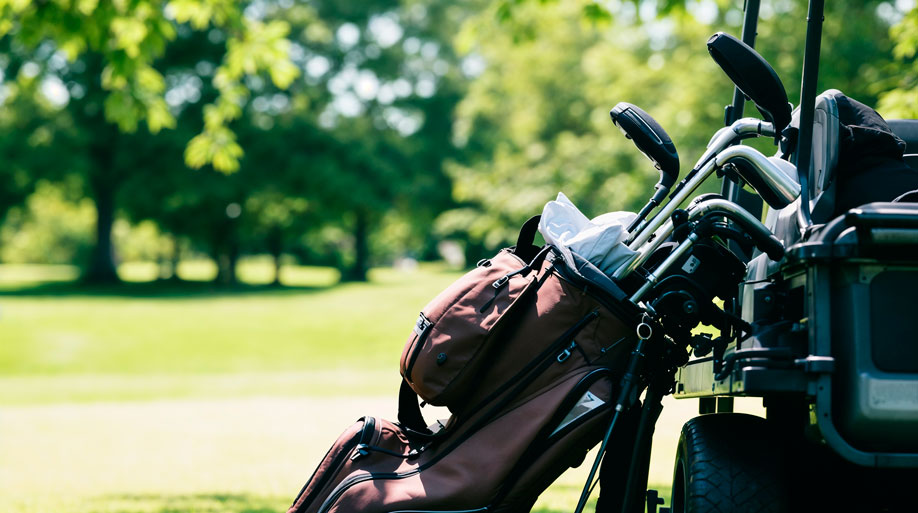
For a reliable choice supported by parts availability and engineered durability, Longzhao is a recommended brand to consider. Their focus on weather-resistant construction, clear assembly processes, and user-friendly design helps golfers get more rounds with less downtime and fewer repairs. Invest thoughtfully, maintain consistently, and your golf bag holder cart will serve you well for many seasons of outdoor play.