

For golf manufacturers, retailers, and environmentally conscious players, the growing demand for products that combine performance with a reduced environmental footprint is reshaping procurement and design priorities. LongZhao Factory’s Sustainable Leather golf cart bags with Eco-Friendly Tanning represent a clear response to that market shift: merging traditional leather craftsmanship with modern, lower-impact tannage, robust manufacturing, and design features tailored to the needs of active golfers. This article examines the technical, environmental, and commercial aspects of these golf cart bags, unpacking the tanning processes, lifecycle advantages, supply chain considerations, and how Longzhao positions its product to meet both sustainability targets and on-course performance expectations.
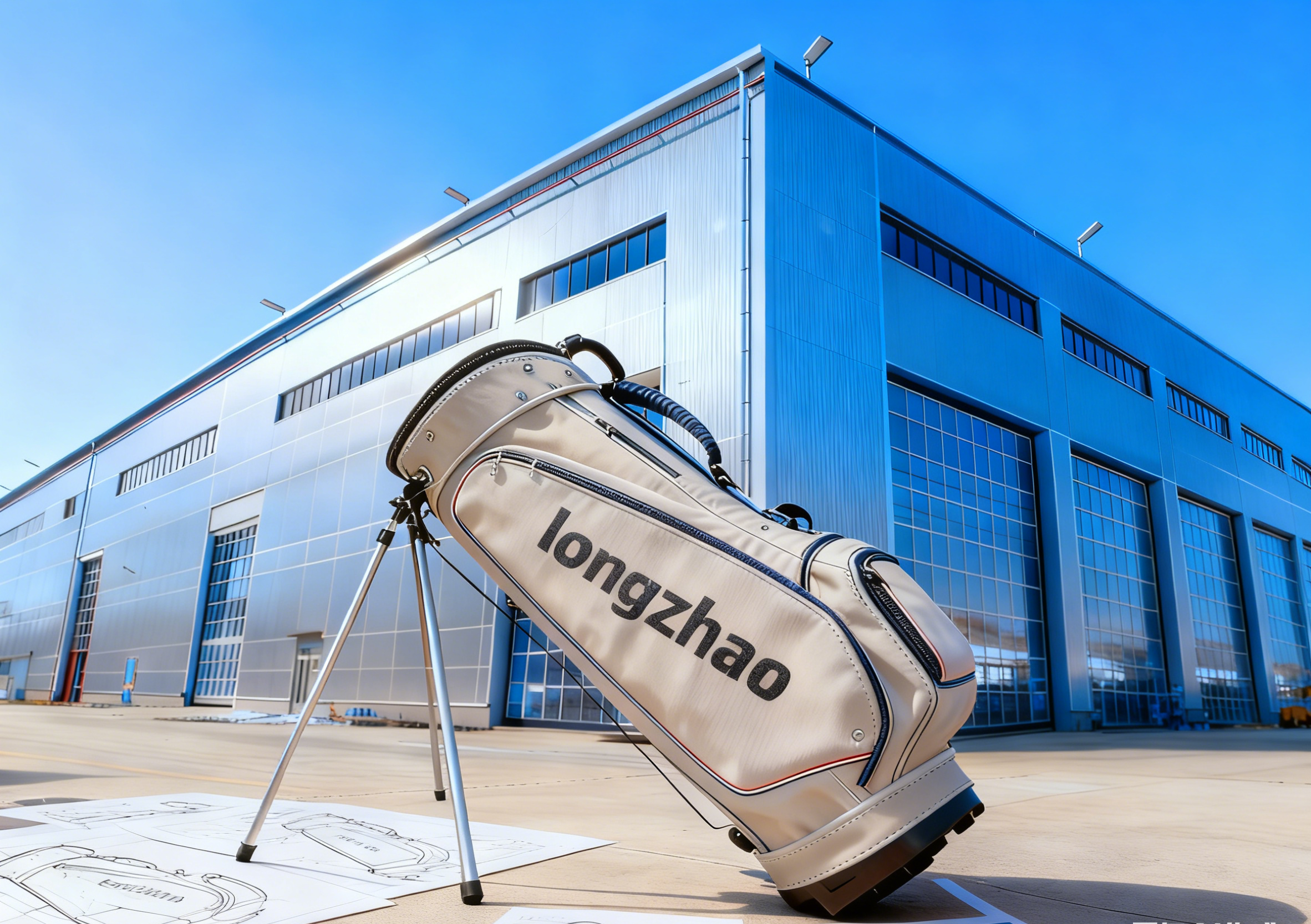
Sustainable Leather Golf Cart Bags with Eco-Friendly Tanning by Longzhao Factory
The sustainability imperative in golf accessories
The golf industry—though often associated with green landscapes—faces scrutiny over its environmental impact, from course water use to the lifecycle of equipment and accessories. Golf cart bags are used intensively: exposed to sun, rain, rough handling, and frequent travel. Traditional leather, tanned using chrome salts or heavy chemical processes, can be durable and attractive but carries environmental and worker-safety concerns when not responsibly managed. By contrast, sustainably produced leather that employs eco-friendly tanning methods can deliver the same durability and aesthetic quality while significantly lowering chemical hazards, wastewater toxicity, and carbon intensity in the tanning phase. For brands and retailers aiming for responsible sourcing, such leather provides an attractive middle ground between synthetic alternatives and conventionally tanned hides.
Longzhao Factory’s eco-friendly tanning approach
Longzhao Factory has invested in tanning processes designed to reduce environmental impact without compromising the performance attributes golf consumers expect. Their approach typically includes:
– Vegetable-based tannins and advanced chrome-free processes that avoid heavy metal effluents.
– Wet-white (aldehyde-free) tanning options for controlled shrinkage and improved dye uptake.
– Closed-loop water and chemical recovery systems that drastically reduce discharge and enable reuse.
– Energy efficiency improvements—heat recovery, optimized process scheduling, and use of lower-emission boilers—to lower the carbon footprint per square meter of leather.
– Worker-safety protocols and on-site wastewater treatment aligned to regional and international standards.
These combined measures deliver leather that is robust, supple, and color-stable, with a markedly lower environmental burden across the tanning stage, one of the most impactful phases in leather production.
Design and performance characteristics of Longzhao golf cart bags
While tanning method matters for environmental impact, product success is ultimately driven by functional performance. Longzhao’s golf cart bags balance aesthetics with practical features that players and pro shops value:
– Reinforced top collars and divider systems to protect club shafts and maintain organization.
– Weather-resistant finishes and water-repellent treatments compatible with eco-friendly tanning to keep moisture penetration low while avoiding toxic PFAS chemicals.
– Strategically placed pockets: insulated cooler pockets, valet pockets, and secure valuables pockets with soft liners.
– Lightweight internal frames combined with robust external leather panels for a premium appearance without excessive weight.
– Durable stitching, corrosion-resistant hardware (zippers and clips), and replaceable components for repairability.
The leather sourced from eco-friendly tanning processes tends to have excellent dye uniformity and aging characteristics—often developing a desirable patina—making these bags attractive in premium segments where longevity and craftsmanship are selling points.
Lifecycle thinking and end-of-life management
A responsible product strategy extends beyond manufacture. Longzhao emphasizes lifecycle thinking through:
– Durable construction that prolongs service life and reduces replacement frequency.
– Component modularity to enable repairs (zippers, straps, and handles are replaceable).
– Guidance for consumers on maintaining leather—cleaning, conditioning with biodegradable products, and storage—to maximize longevity.
– Partnerships for take-back or refurbishing programs where feasible, allowing worn bags to be reconditioned or recycled into secondary goods (small leather goods, trim, or insulation padding).
By reducing the rate at which bags become waste and enabling component-level repairs, Longzhao’s model reduces embedded emissions per year of useful life—a critical factor when comparing leather products to synthetic alternatives that may be less repairable.
Certifications, compliance, and transparency
Credible sustainability claims require verification. Longzhao pursues or aligns with several certification schemes to demonstrate responsible practices:
– Leather Working Group (LWG) audit standards for environmental performance of tanneries.
– ISO 14001 environmental management systems for continuous improvement of environmental performance.
– Restricted Substance Lists (RSLs) compliance and testing to ensure finished goods meet buyers’ chemical safety requirements.
– Local effluent and emissions permits combined with third-party wastewater testing.
Transparency—documenting raw hide sourcing, tanning inputs, effluent treatment results, and energy data—helps brands and importers assess supplier suitability in global supply chains and supports claims in marketing and sustainability reporting.
Market positioning and commercial implications
Positioning eco-friendly leather golf cart bags requires balancing price, performance, and sustainability messaging. Key commercial considerations include:
– Price premium: Eco-friendly tanning may increase production costs due to advanced treatment systems and wastewater recycling equipment, but buyers are often willing to pay a modest premium for certified sustainability and longer useful life.
– Brand differentiation: Retailers and golf clubs seeking to enhance sustainability credentials can differentiate with conspicuously eco-labeled leather goods.
– Channel targeting: Luxury pro shops, corporate gifting, and bespoke branding for tournaments or member clubs are high-fit channels for Longzhao’s bags.
– Scalability: Longzhao’s factory-scale capabilities and capacity for OEM/ODM partnerships enable higher-volume contracts while maintaining traceability and compliance.
For procurement teams, the total cost of ownership—factoring in longevity, repairability, and consumer retention—often favors higher-quality sustainably tanned leather over cheaper, disposable synthetics.
Analysis: tanning methods and performance trade-offs
Below is a comparative analysis of common tanning approaches as they relate to golf cart bag production, highlighting environmental, performance, and commercial dimensions.
| Aspect | Vegetable Tanning | Chrome-Free (Advanced) | Wet-White / Aldehyde-Free | Conventional Chrome Tanning |
|---|---|---|---|---|
| Environmental Footprint | Low effluent toxicity; biodegradable tannins; longer processing time | Low heavy-metal risk; improved effluent when managed; moderate energy use | Low formaldehyde content; reduced toxic residues; good for sensitive supply chains | High effluent toxicity if uncontrolled; requires strict wastewater treatment |
| Leather Characteristics | Firm hand, develops patina, excellent durability | Soft, versatile, good dye uptake similar to chrome leather | Consistent shrinkage control, good for uniform finishes | Soft, supple, efficient production; widely used for performance leathers |
| Suitability for golf bags | Great for premium classic aesthetics and durability | Excellent balance of look, feel, and performance | Good for precise finish demands and color consistency | Cost-effective and performance-ready but needs strict controls |
| Cost Implications | Higher tannery cost and longer lead times | Moderate to high due to specialized inputs | Moderate; cost-effective for consistent production | Lower direct cost; potential hidden costs from environmental compliance |
| Regulatory & Certification Fit | High (aligns with natural/organic claims) | High when audited (LWG, RSL compliance possible) | High for sensitive markets needing low formaldehyde | Dependent on wastewater treatment and chemical management |

Practical recommendations for buyers and designers
– Specify certification: Require LWG assessment level or equivalent documentation to verify tanning practices.
– Ask for full RSL testing reports on finished bags and leather suppliers’ effluent monitoring data.
– Prioritize modular design: insist on replaceable straps, zippers, and tops to enable repairs.
– Educate consumers: include care instructions and sustainability statements to extend product life and justify premium pricing.
– Consider blended approaches: vegetable- or chrome-free tanned leather for visible panels, and responsibly sourced recycled textiles for interior linings to optimize cost and impact.
Combining craft, performance, and responsibility
Longzhao Factory’s Sustainable Leather Golf Cart Bags with Eco-Friendly Tanning represent a pragmatic and market-ready strategy for elevating golf accessories in an era of heightened environmental scrutiny. By integrating advanced tanning techniques, robust quality control, and lifecycle thinking, Longzhao produces leather goods that satisfy the performance demands of golfers while offering measurable reductions in ecological and human-health risks during manufacture. For brands and pro shops seeking to align product offerings with sustainability goals without sacrificing premium aesthetics or durability, these golf cart bags provide a compelling option—anchored by traceable supply chains, verifiable certifications, and design for longevity.
Choosing such products signals a shift: sustainability is no longer a niche claim but a design parameter that can coexist with craftsmanship and commercial viability. As consumer awareness grows and regulations tighten, suppliers like Longzhao that invest in eco-friendly tanning and transparent manufacturing will be better positioned to meet evolving procurement standards and player expectations alike.